In Arundhati Roy’s seminal novel, The God of Small Things (1997), she writes “To understand history, we have to go inside and listen to what they're saying. And look at the books and the pictures on the wall. And smell the smells.” As I sit with these words, I try to imagine what photographs of resistance, rebuilding, resilience, and revival smell like. Some, seem fragrant, light, and introspective, while others reek of a stark, and powerful scent that has recorded brutalities and bravery, all at once. These are themes that are reflective in the eleventh edition of the Chobi Mela International Festival of Photography, based in Dhaka, that is set to open on 16th January 2026 for a period of sixteen days.
In Arundhati Roy’s seminal novel, The God of Small Things (1997), she writes “To understand history, we have to go inside and listen to what they're saying. And look at the books and the pictures on the wall. And smell the smells.” As I sit with these words, I try to imagine what photographs of resistance, rebuilding, resilience, and revival smell like. Some, seem fragrant, light, and introspective, while others reek of a stark, and powerful scent that has recorded brutalities and bravery, all at once.
In Arundhati Roy’s seminal novel, The God of Small Things (1997), she writes “To understand history, we have to go inside and listen to what they're saying. And look at the books and the pictures on the wall. And smell the smells.”
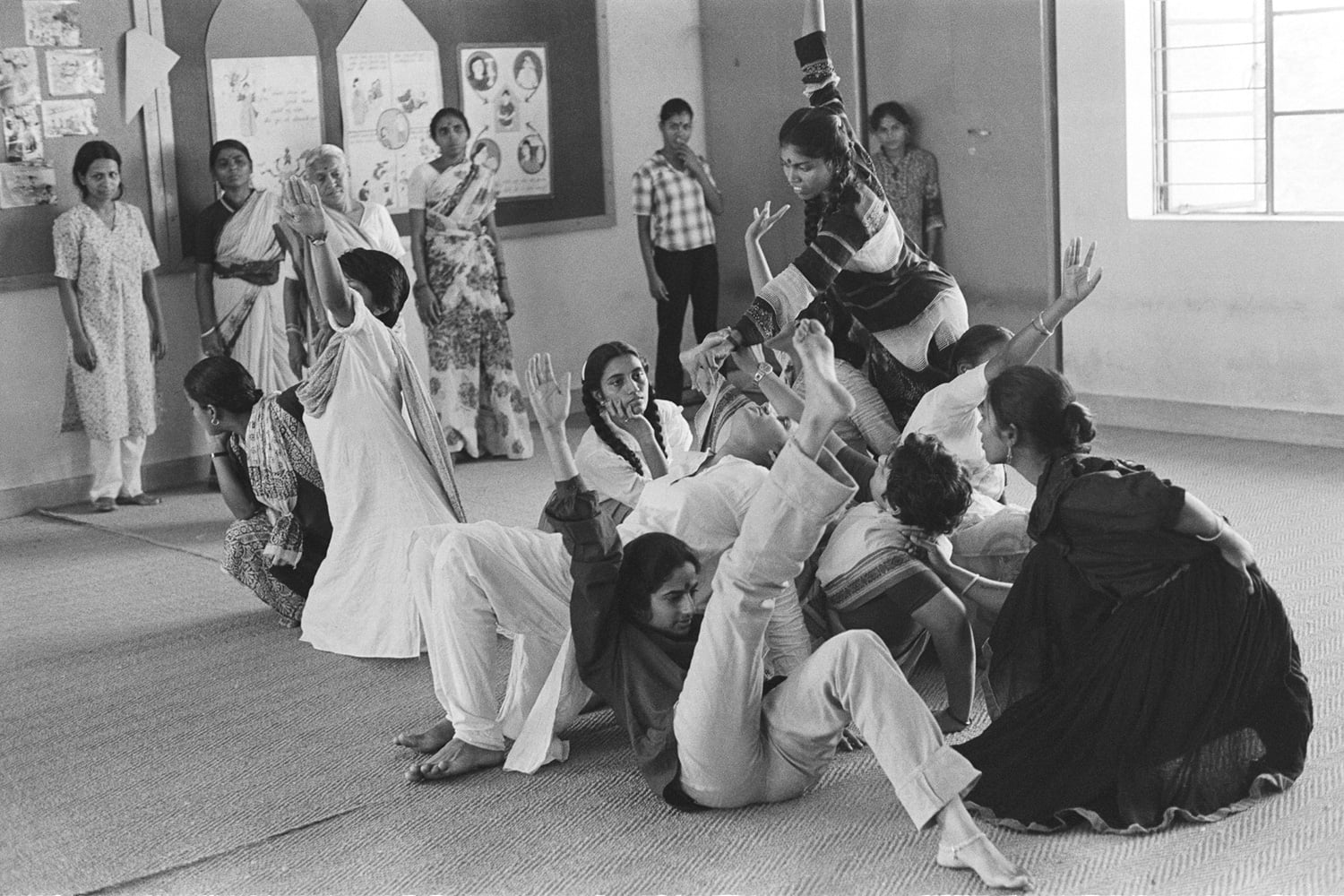
Asia Art Archive: Body exercises as part of Kriti: A Workshop on Creative Expression, photographed by Sheba Chhacchi, New Delhi, 1983. Courtesy of the artist
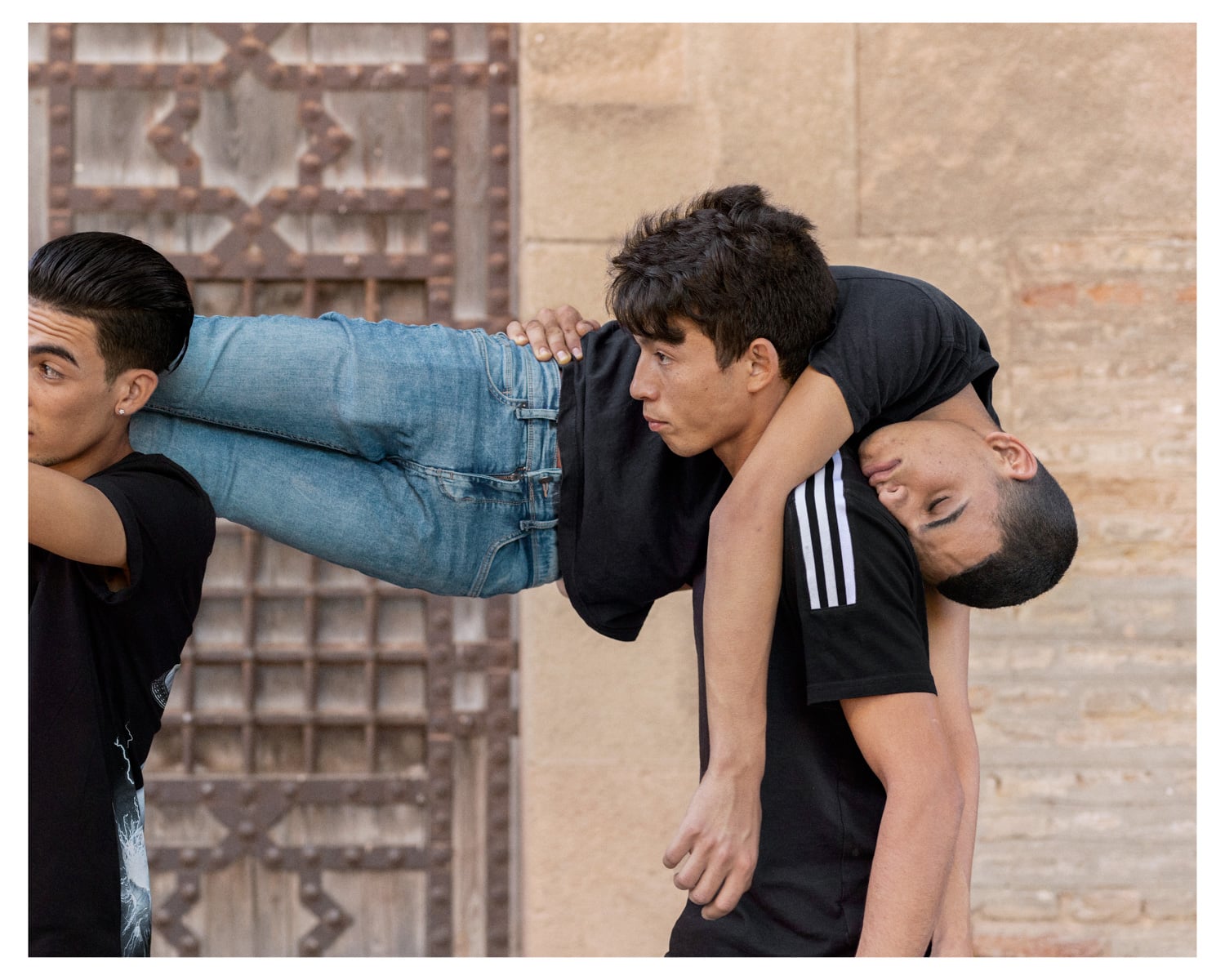
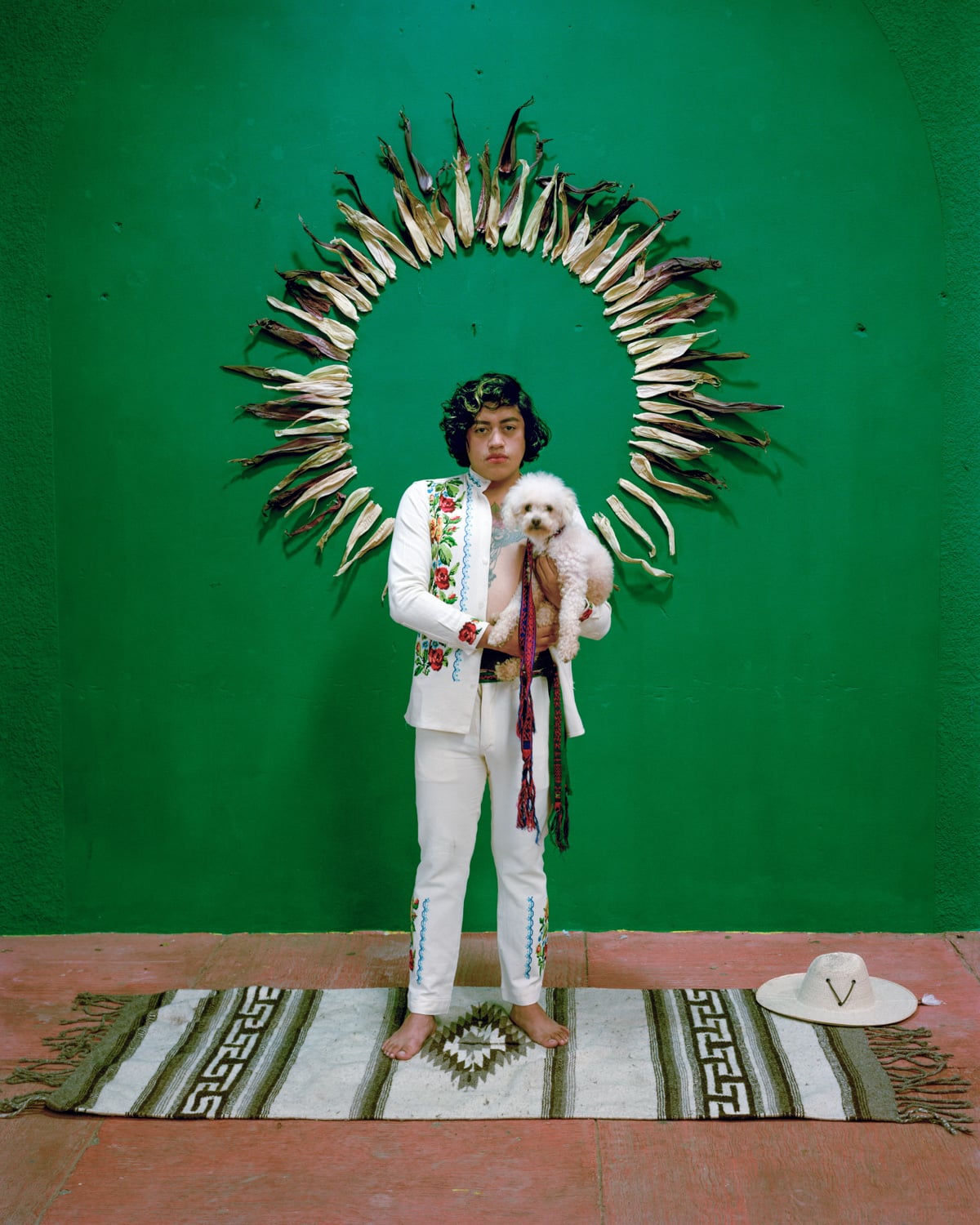
Dialect, 2020-2023, courtesy by the artist, Felipe Romero Beltrán
In Arundhati Roy’s seminal novel, The God of Small Things (1997), she writes “To understand history, we have to go inside and listen to what they're saying. And look at the books and the pictures on the wall. And smell the smells.” As I sit with these words, I try to imagine what photographs of resistance, rebuilding, resilience, and revival smell like. Some, seem fragrant, light, and introspective, while others reek of a stark, and powerful scent that has recorded brutalities and bravery, all at once. These are themes that are reflective in the eleventh edition of the Chobi Mela International Festival of Photography based in Dhaka, that is set to open on 16th January 2026 for a period of sixteen days.
Post the July 2024 protests in Bangladesh, that began over a discriminatory job quota system but soon turned into a nationwide uprising against authoritarianism, corruption, and political exclusion, the students made themselves heard. Tragically, they had to endure a violent crackdown by now ousted Prime Minister Sheikh Hasina, before their voices were definitively recognised world-over. In response to this political, social, and historical realisation, Chobi Mela brings together 58 artists from across the globe who remain defiant in the face if adversity. As the festival directive reads- “Now, after Bangladesh rose in a people’s revolt, we’ve realised a transformative possibility that resonates with the phonetic sound of ‘Re’. ‘Re’ symbolises collective imagination and the revival of dormant hopes.”
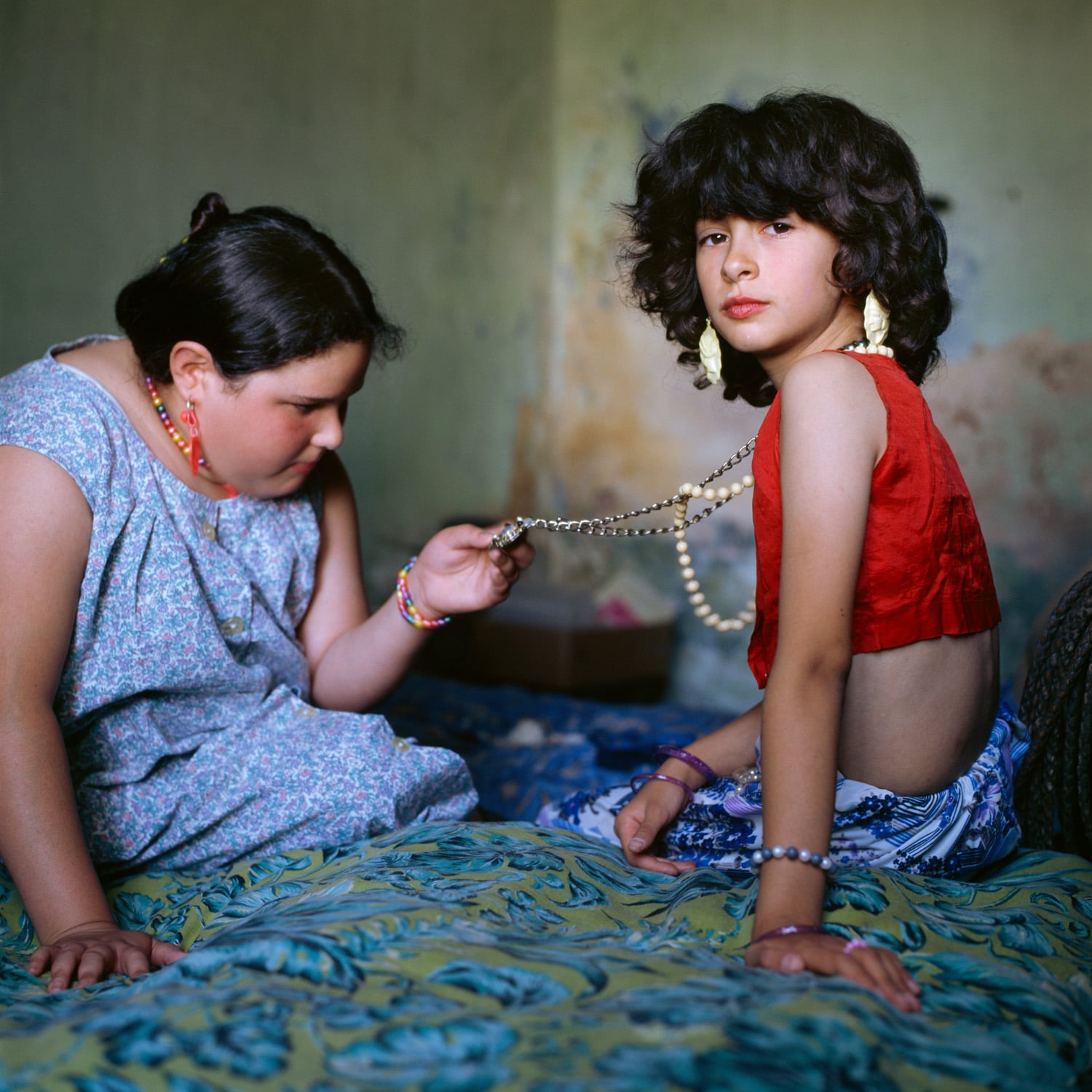
The festival is co-curated by artistic directors, Munem Wasif and Sarker Protick, in collaboration with guest curators Tanvi Mishra and Shohrab Jahan, with additional contributions from yasmine eid-sabbagh. As I read the synopsis of the nine exhibitions that span across the festival, I notice that the interpretations of resilience, restructuring, and regeneration aren’t linear. It feels like a map that charts the multiplicity of a revolution. The curation includes the innocence of childhood that enters into adolescence like in Alessandra Sanguinetti’s work The Adventures of Guille and Belinda and The Enigmatic Meaning of Their Dream; books, maps, photographs, films and archival fragments that foreground how efforts to erase Palestine have been met with solidarity from the global majority in the group show (un)learning Palestine, embodying solidarity; an introspection on ‘the wound,’ and its permanence in grieving, loss, erasure, and the refusal of closure in But a Wound that Fights; and the collective movements that arise from nation-states using the garb of self-defence to justify their takeover of the homelands of others in Rights of Passage.
Here, the festival unearths the many layers of human interactions, that are labyrinths of hope, dreams, whispers, dissent, rituals, and personal ponderings. “When there is a collapse of infrastructure or existing authority, there is chaos after that. But does that mean there isn’t any hope? New ways of thinking need to emerge. ‘Re,’ represents the end of an older cycle and the beginning of something new,” elucidates Protick as I speak to him on a call in between installations. He also stresses about the importance of ecology and its place in regeneration; landscapes too experience loss and then regrowth post devastation.
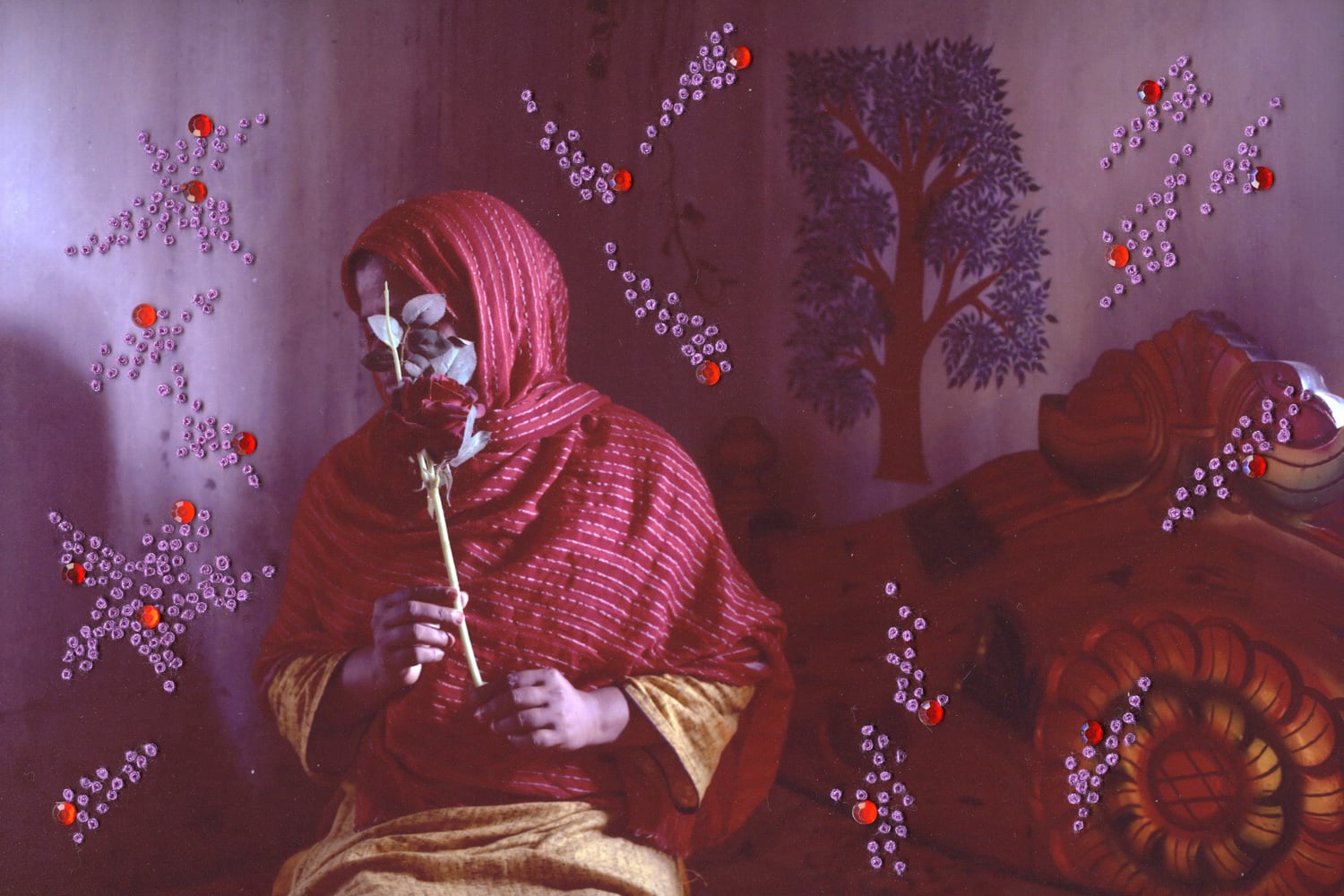
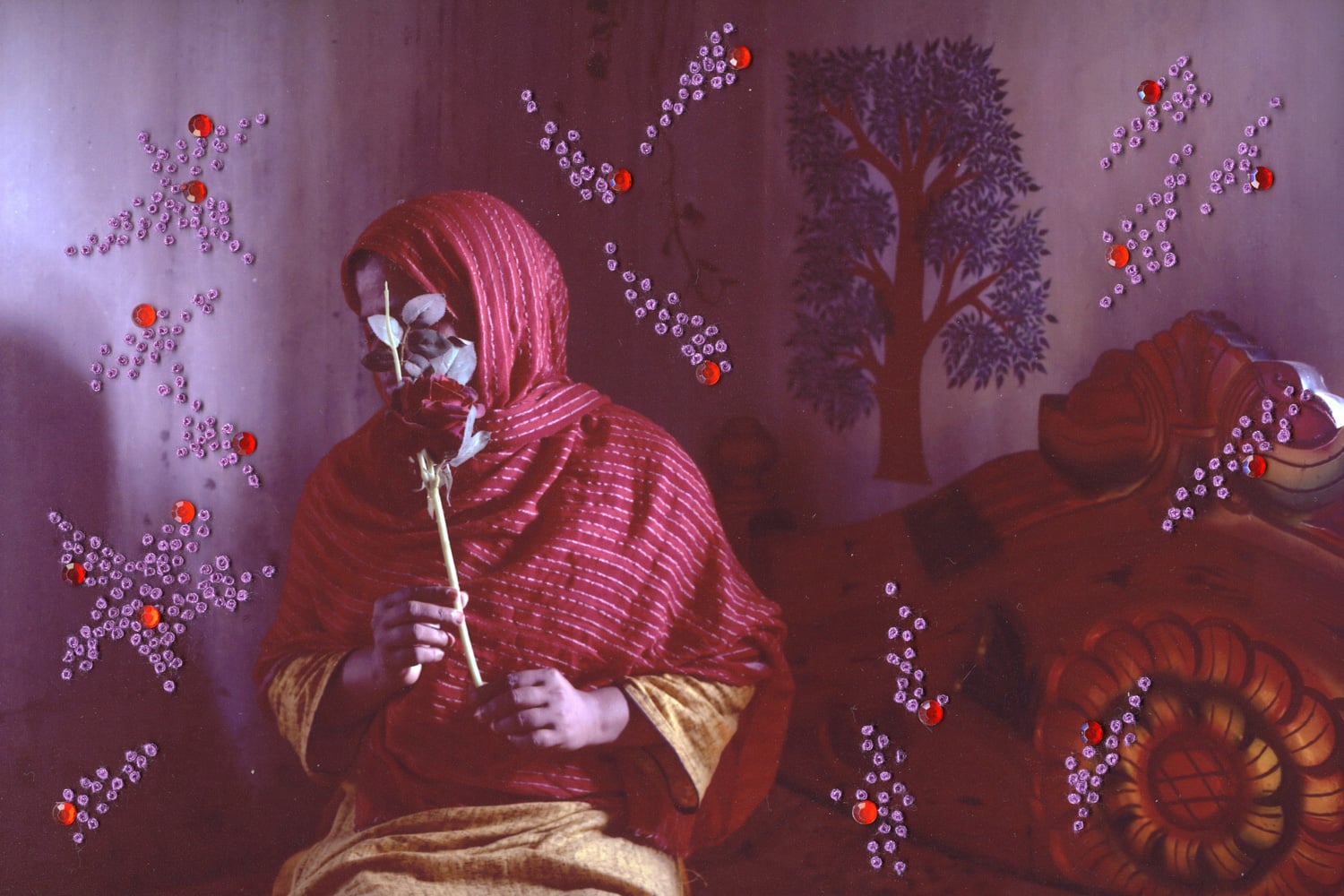
33-year-old Kulsum migrated from Bangladesh to Saudi Arabia to support her family. During her six-month stay, she endured severe physical and mental abuse. She was not paid properly and eventually had to return home. Upon her return, her husband refused to continue their marriage, blaming her for the sexual violence she had suffered abroad. Stigmatized and abandoned, Kulsuma now lives alone, raising her son and daughter. Her story reflects not only the trauma faced by many migrant women but also the lasting impact it leaves on their personal lives and families after they return. From the series Unhealed Beneath Grieving Skies by Sumi Anjuman 2025 – ongoing; Bangladesh Courtesy of the artist
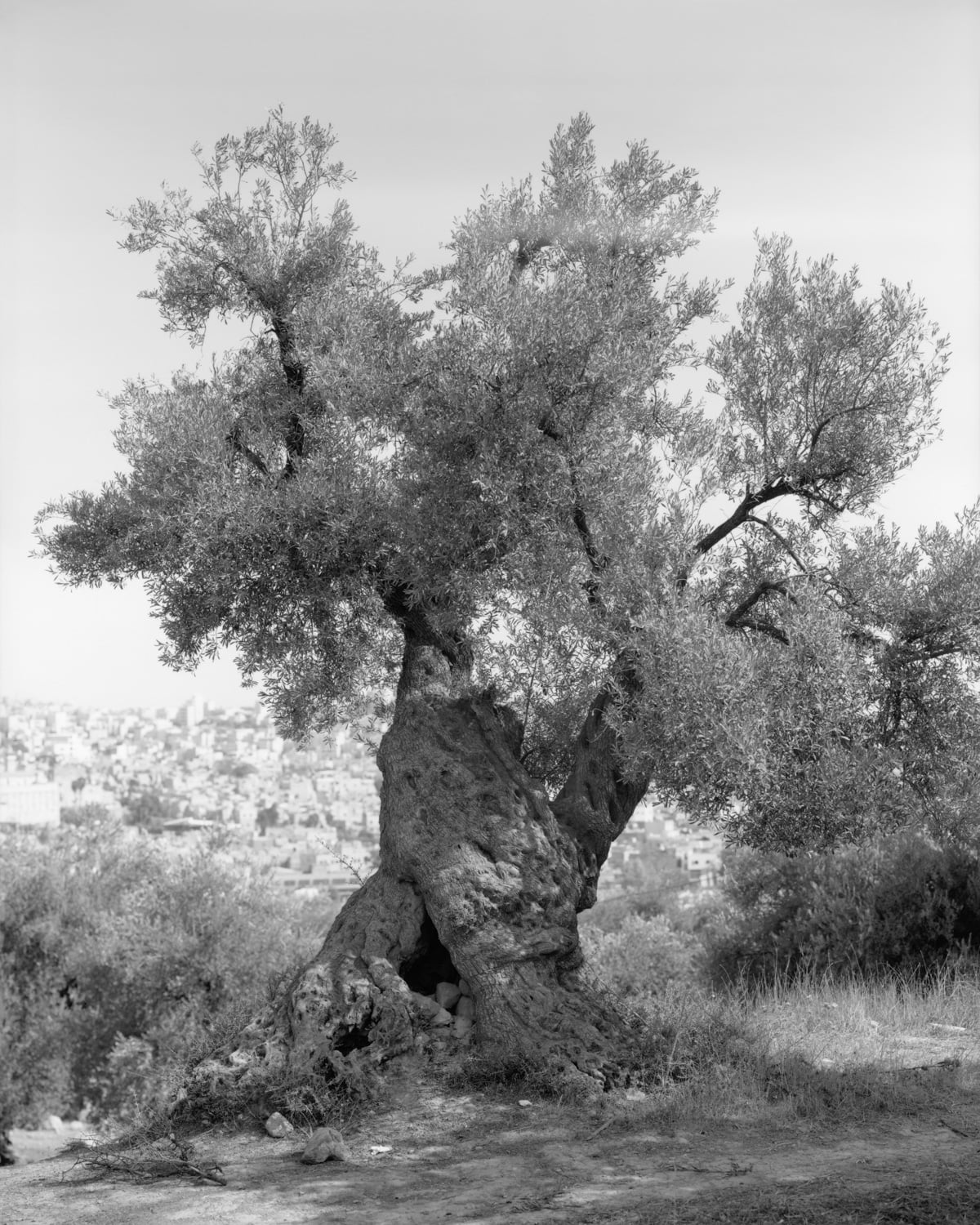
Adam Broomberg and Rafael Gonzalez, 2023 Courtesy the artists and MACK
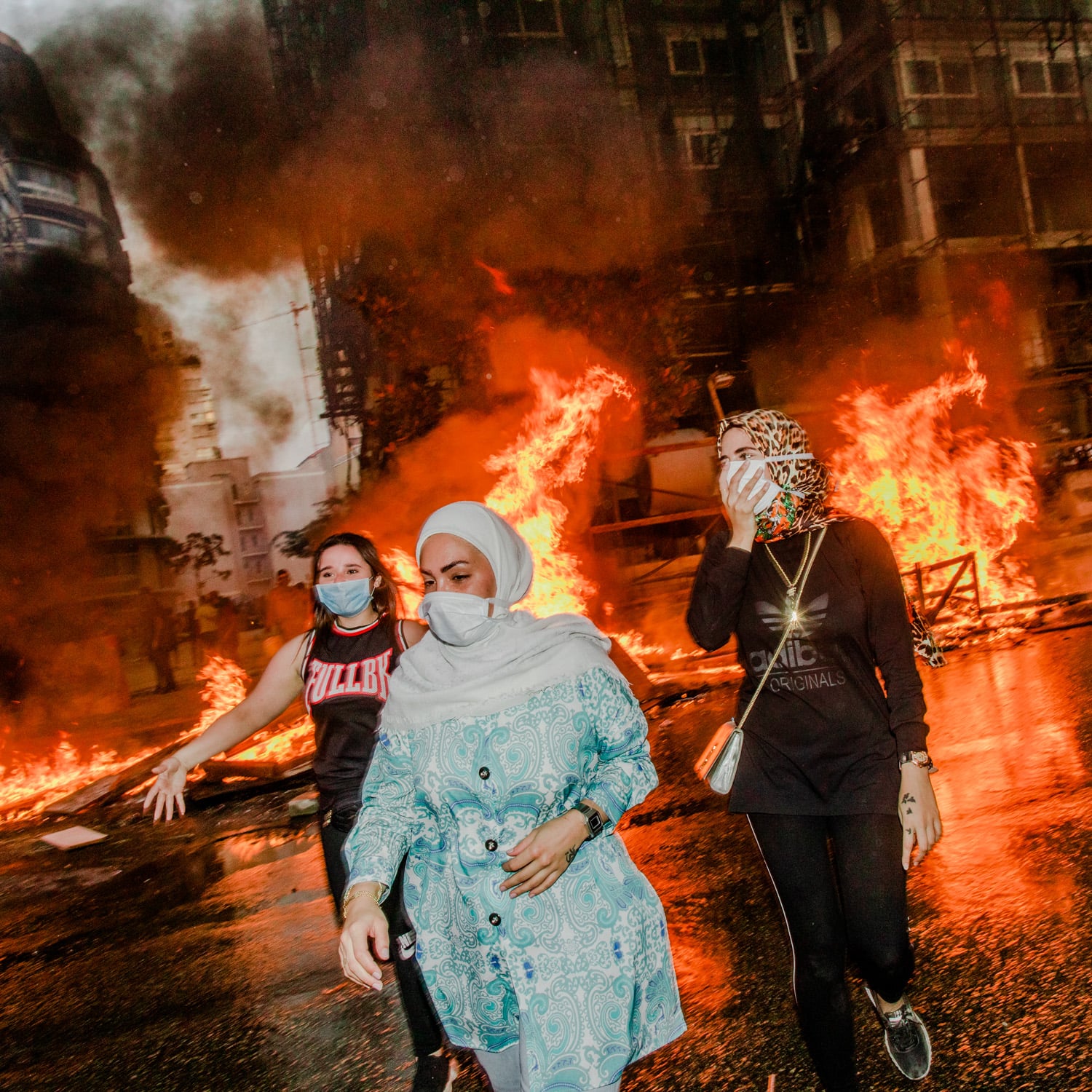
It’s a thought that’s reiterated in a conversation with Wasif who mentions that in the name of conflict, people are capturing natural resources, and its impact is seen in the lives of the indigenous people. Often, natural landmarks that no longer exist are also important illustrations of forced change and disruption. This is so poignantly put across in the work of Adam Broomberg and Rafael Gonzalez who have made large- format black-and-white portraits of olive trees growing in the Occupied Territories of Palestine, some of which are thousands of years old. The trees are a symbol of Palestinian identity, and since the occupation, 1967, 800,000 olive trees have been destroyed by Israeli authorities and settlers. The body of work is an attempt to record what remains, and its consequent disappearance should it be destroyed. World over, gender-based violence as well as erasure is an unfortunate aspect of rewriting history. In the show Women in the July Uprising: Essential Then—Why Erased Now?artists navigate the unjust targeting of women through harassment and cyberbullying. Resisting cultures of fear, women marched the streets gathering their male counterparts in the July revolution and were instrumental in the crumbling of the authoritarian regime. But unfortunately, they are being forced to retreat. Through her research for the show, photojournalist Jannatul Mawa writes “…as though the message is that they were necessary when the streets burned, but dispensable as power is being rearranged. This is unacceptable. No democratic dispensation can be built while excluding half its population.”
While one aspect of resistance surfaces in the reading and engagement of art, the other lies in its learning. Through workshops led by Amak Mahmoodian, Arko Datta, Bani Abidi, Hasib Zakaria, Nicolas Polli, and Rena Effendi, participants will become active creators, adding to the voice of reimagination. Using text as a tool for visual response, meandering through the nocturnal cityscape of Dhaka, developing the nuances of street photography, and learning to laugh amidst darkness, the workshops aim to strengthen and prolong dialogue between perception and expression.
As Chobi Mela enters its 25th year, it continues to ask the integral questions, and break down the essence of the time. Each day, the news cycle hints at a perilous new world order that threatens to dismantle and divide society on a regular basis. As the Festival’s founder and Chief Advisor Dr. Shahidul Alamsays, “Chobi Mela reminds us that there is such a thing as the majority world, with different aspirations, with different needs and different modes of storytelling.” This is the time for art and stories to hold our solidarities, to bear witness to a society that doesn’t exist in isolation, but in a collective momentum.