SC:
That's an amazing question, as it gives me a lot to think about. Since I come from a background in photojournalism, and as a newspaper photographer, my process has always been documentary centric.
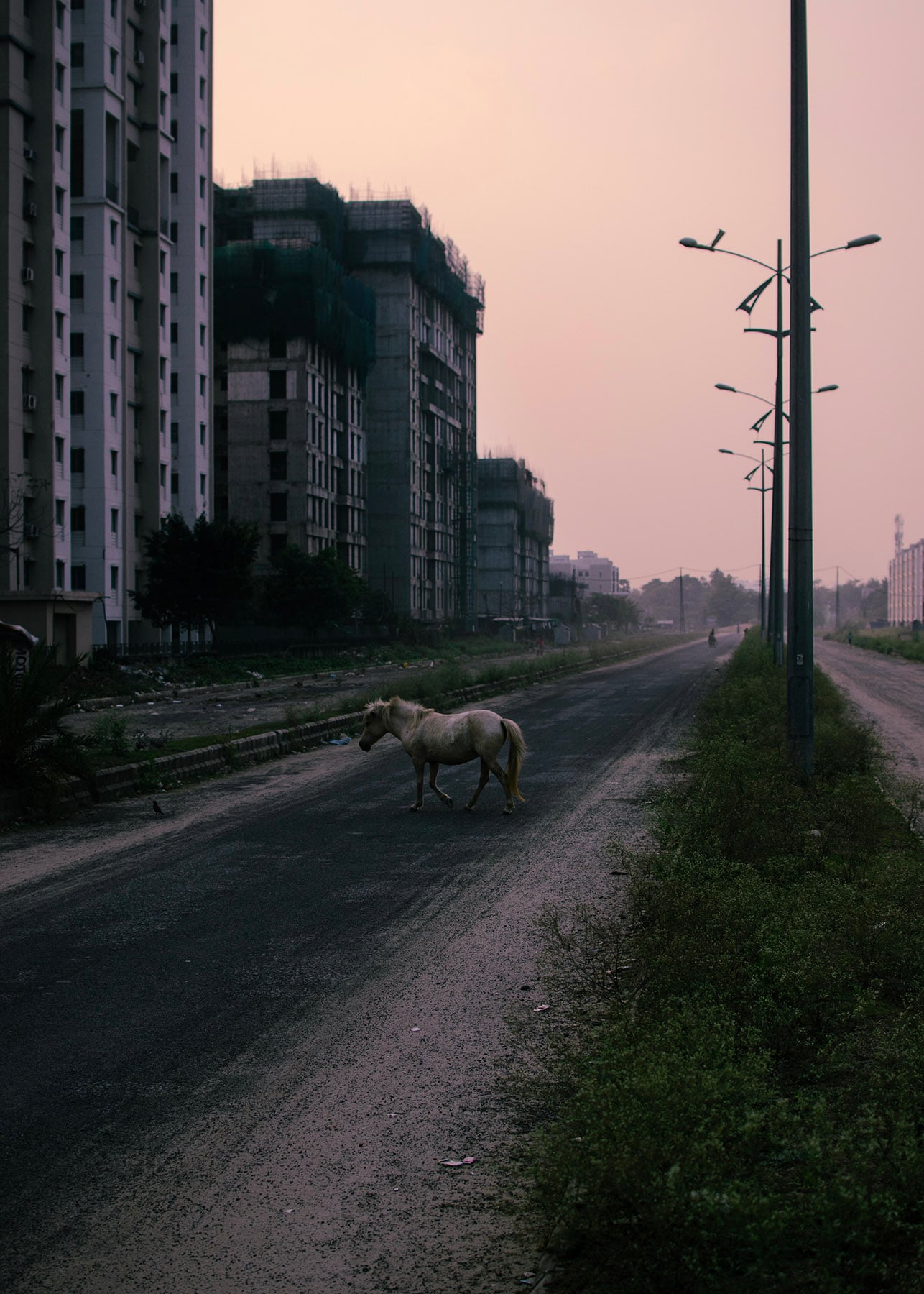
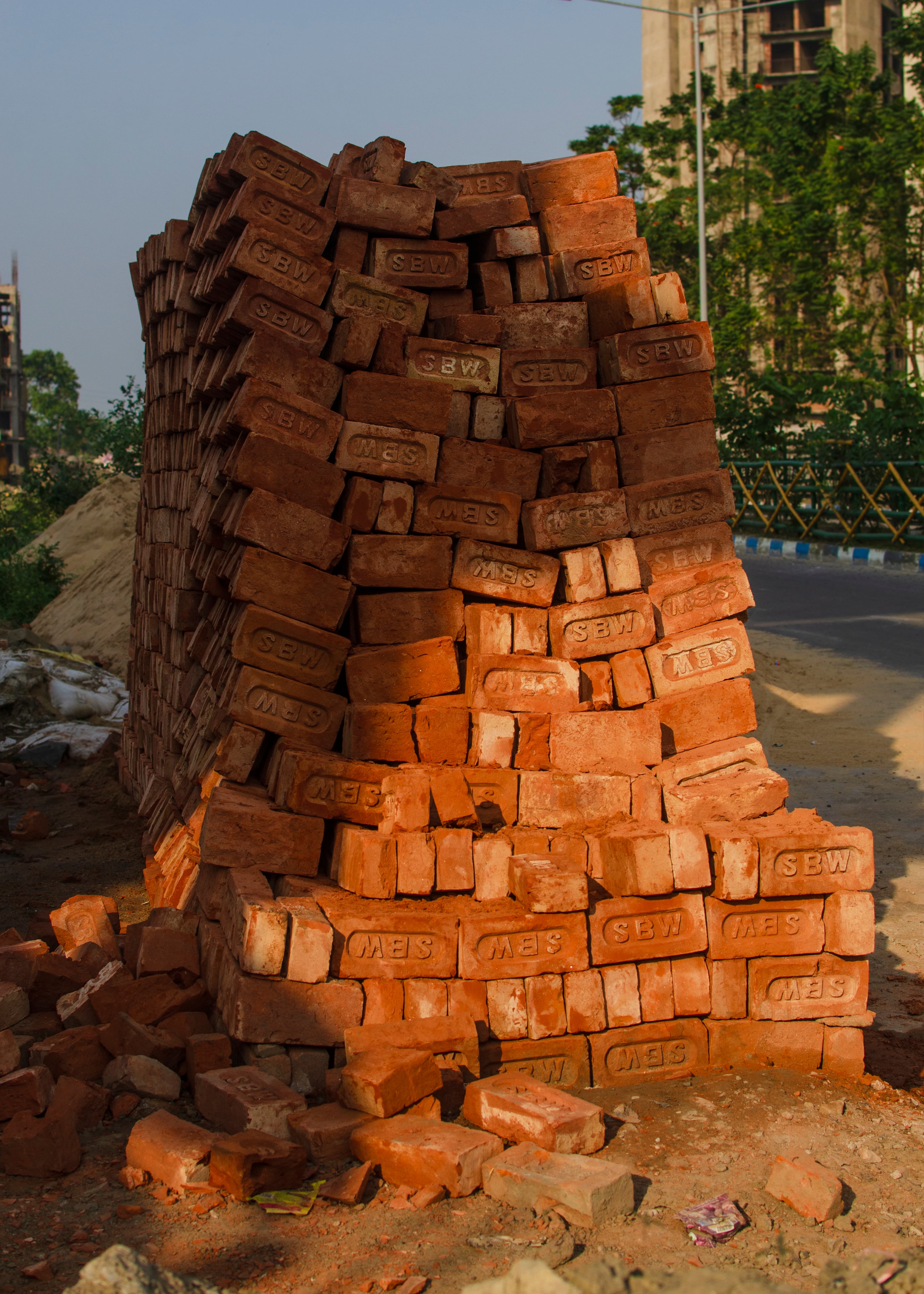
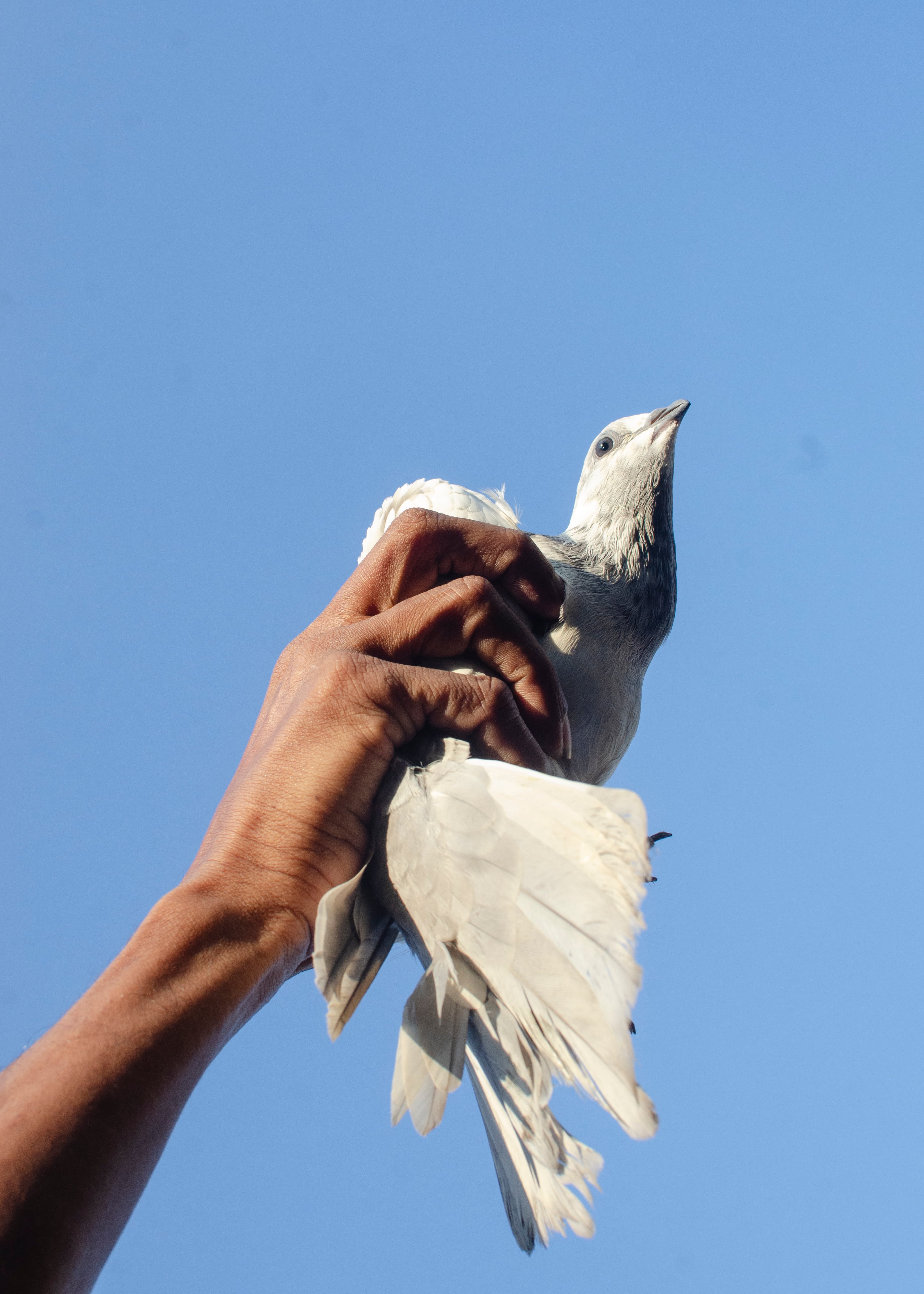
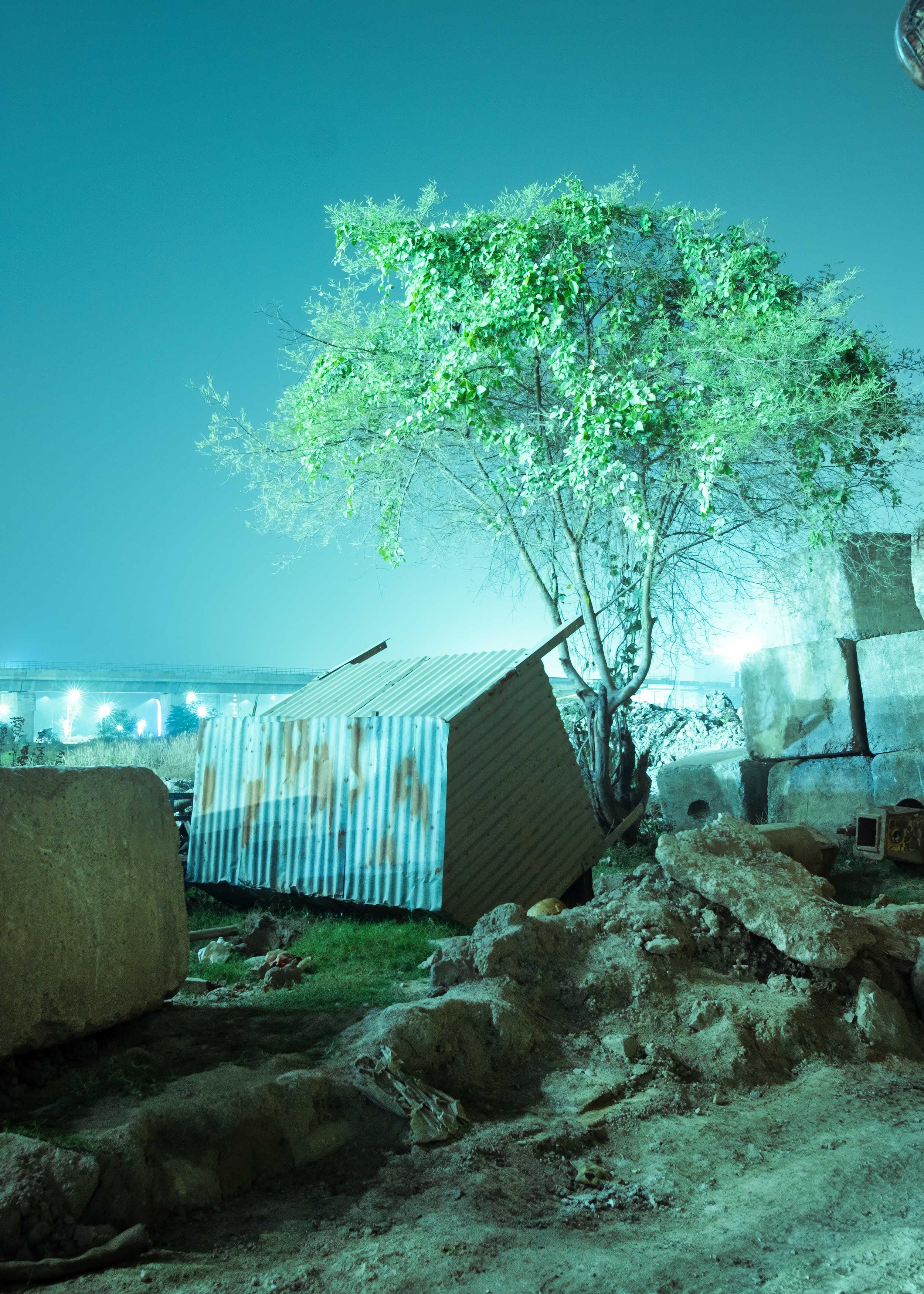
Photographs have been a form of evidence, and that's how I started this work. Here, I wasn’t solely trying to record, but also explore forms of memory building, and archiving. A few years later, when I was looking through my archives of these documentary images from Rajarhat, I started thinking more deeply about what I was trying to say. Earlier, I was so enamoured by the uncanniness and absurdity of the place, that I didn't really think much about what I was photographing. But once the novelty had worn off, I did more research and spoke to the local people, not just from within my own community, but those who have historically tilled the lands.
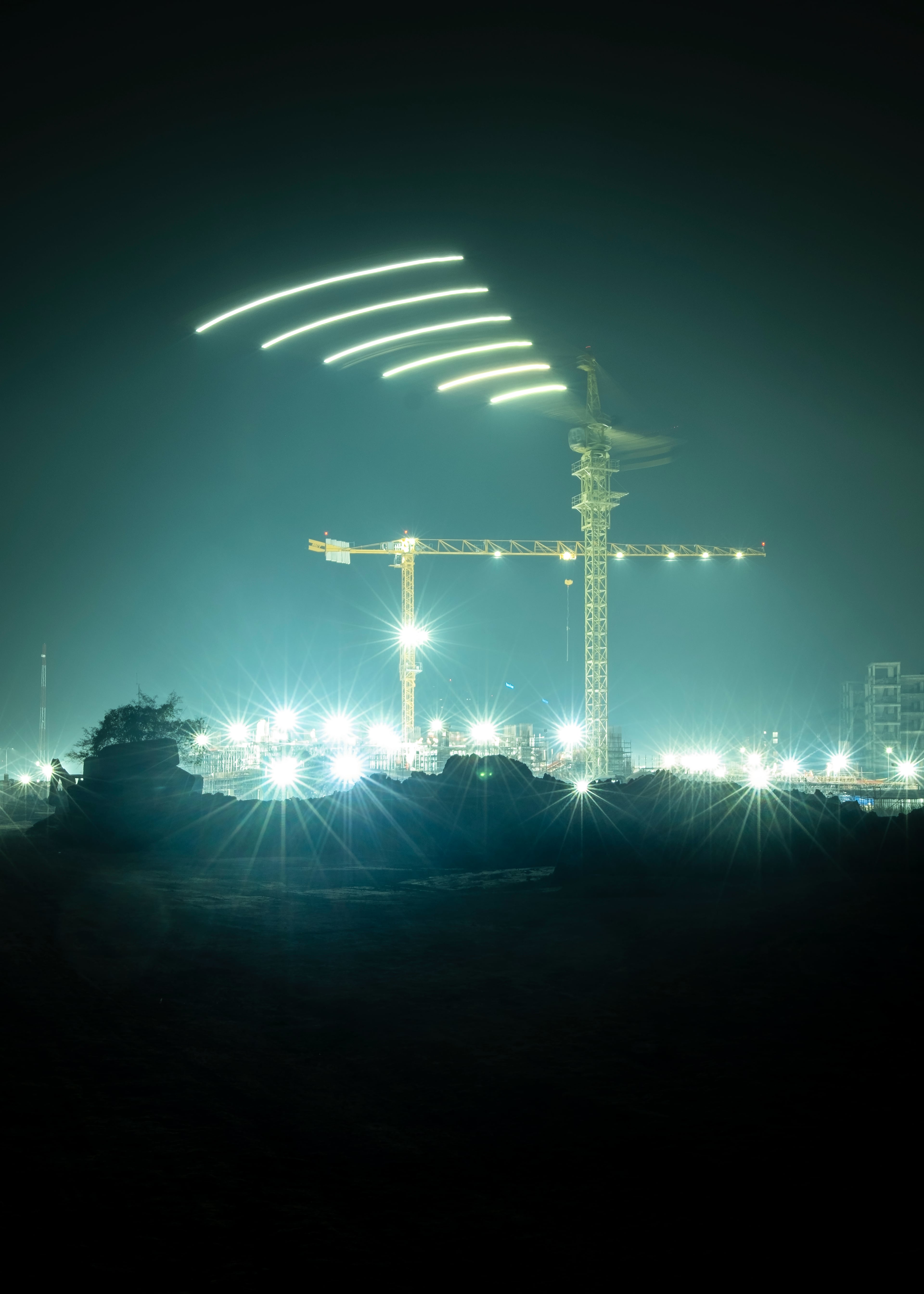
The revelations from those conversations gave me an idea of Rajarhat, which is not central to the dominant narrative of development the urban elites within my parents’ apartment believed in. If you research Rajarhat on Google, there are stories of development, and of it being a smart city. But when I spoke to the people, I understood that there has been insidious violence of land grabs and ecological destruction that has been part of the land for years.
I was reading a lot of post-colonial and decolonial literature, and philosophy by Frantz Fanon and Homi Bhabha, and it made me think about how I can make the work deeper than just a simple documentation of the place. How can I embed these histories of violence? How can I talk about the caste violence is embedded in the land itself? Because, as you know, the beneficiaries of development are usually oppressor-caste folks like us. And that's also a big part of why my parents were trying to buy a flat there.
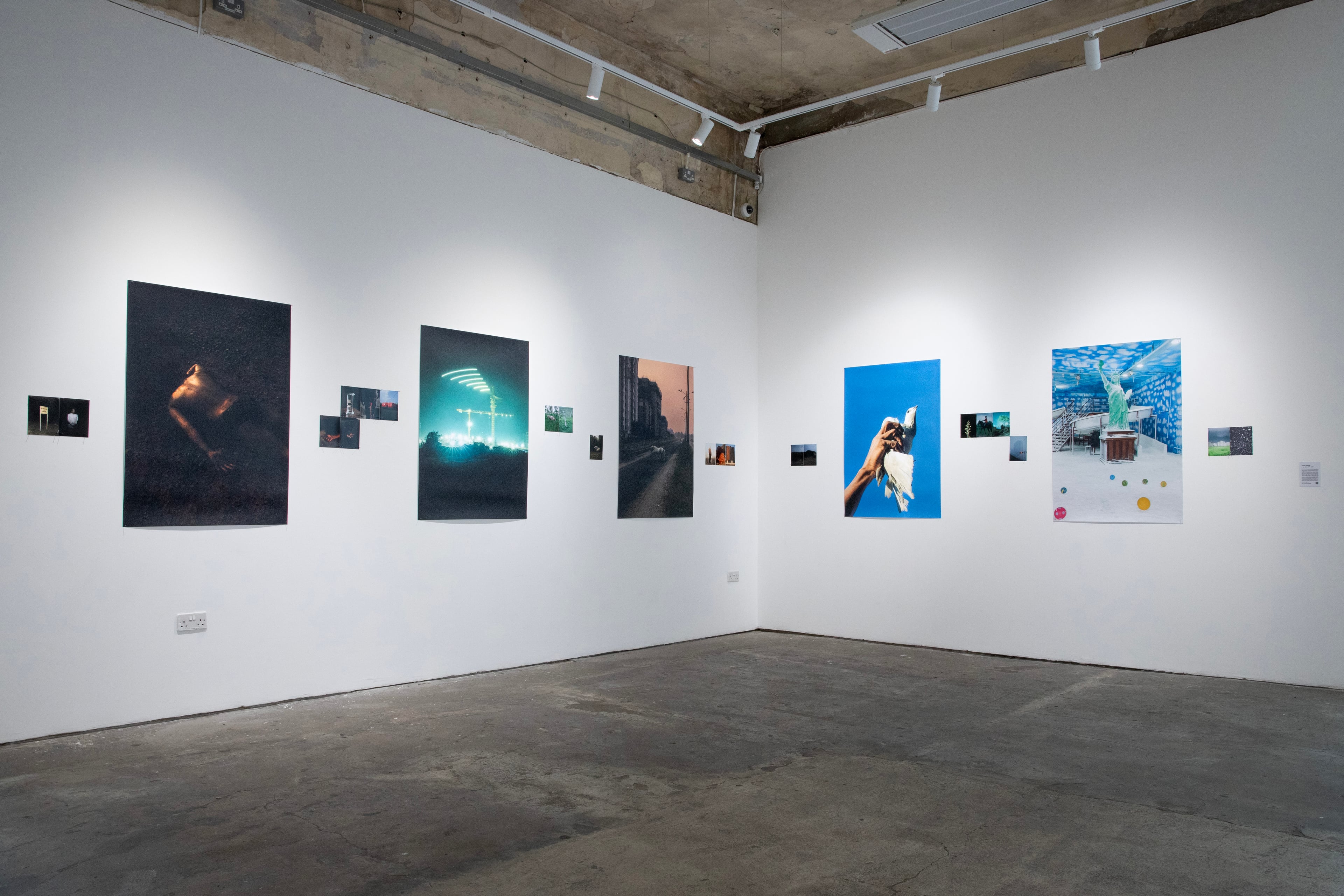
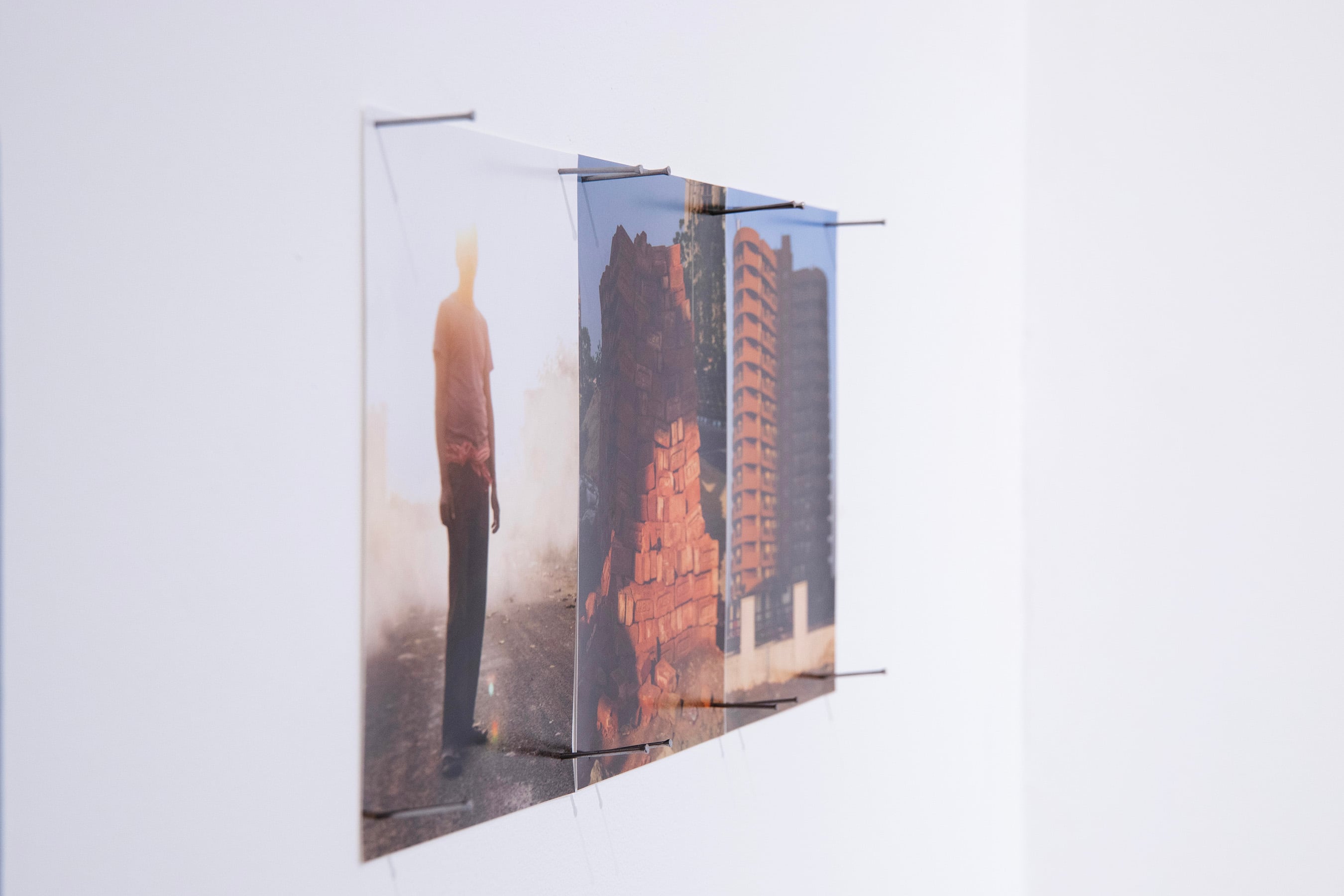
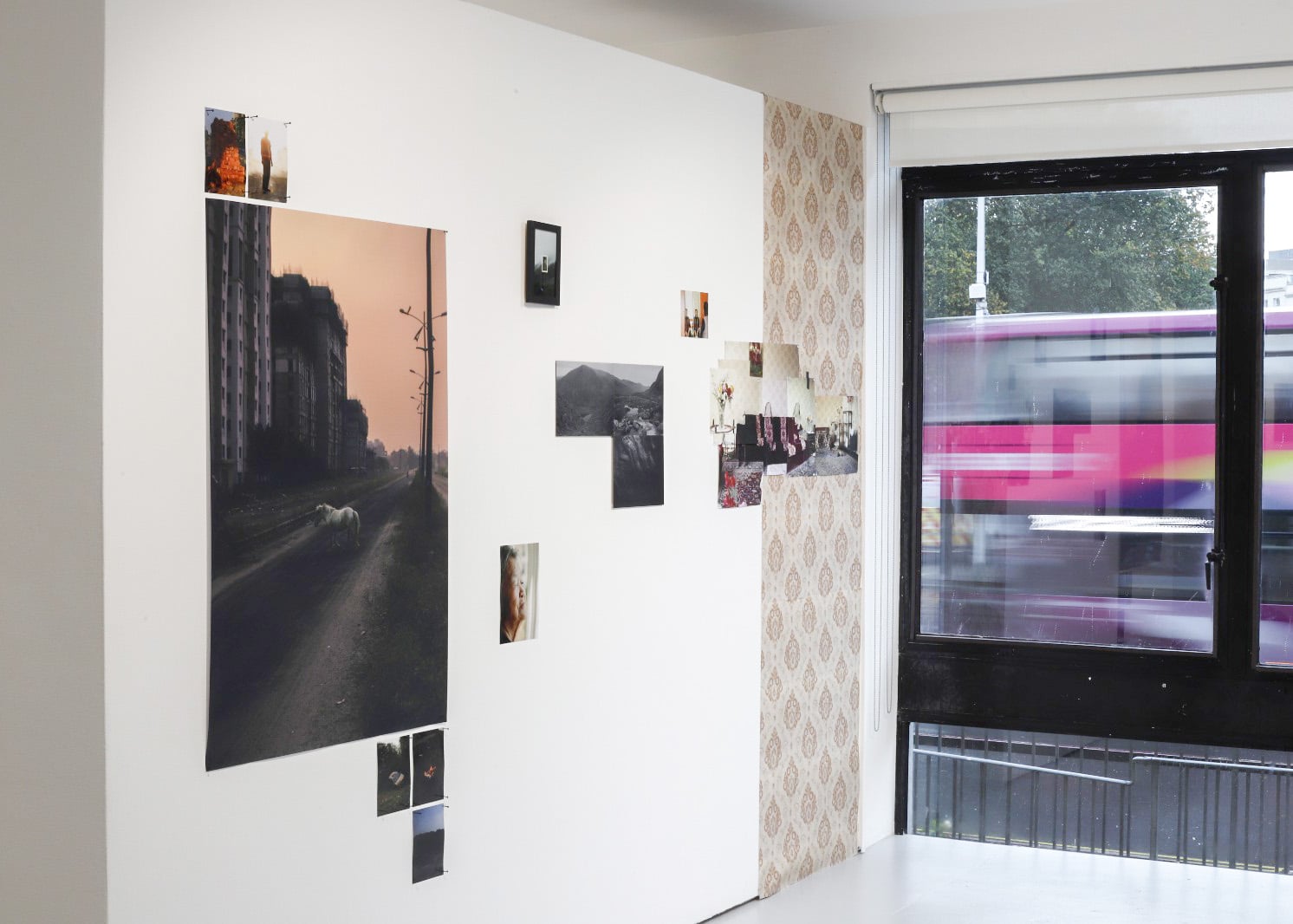
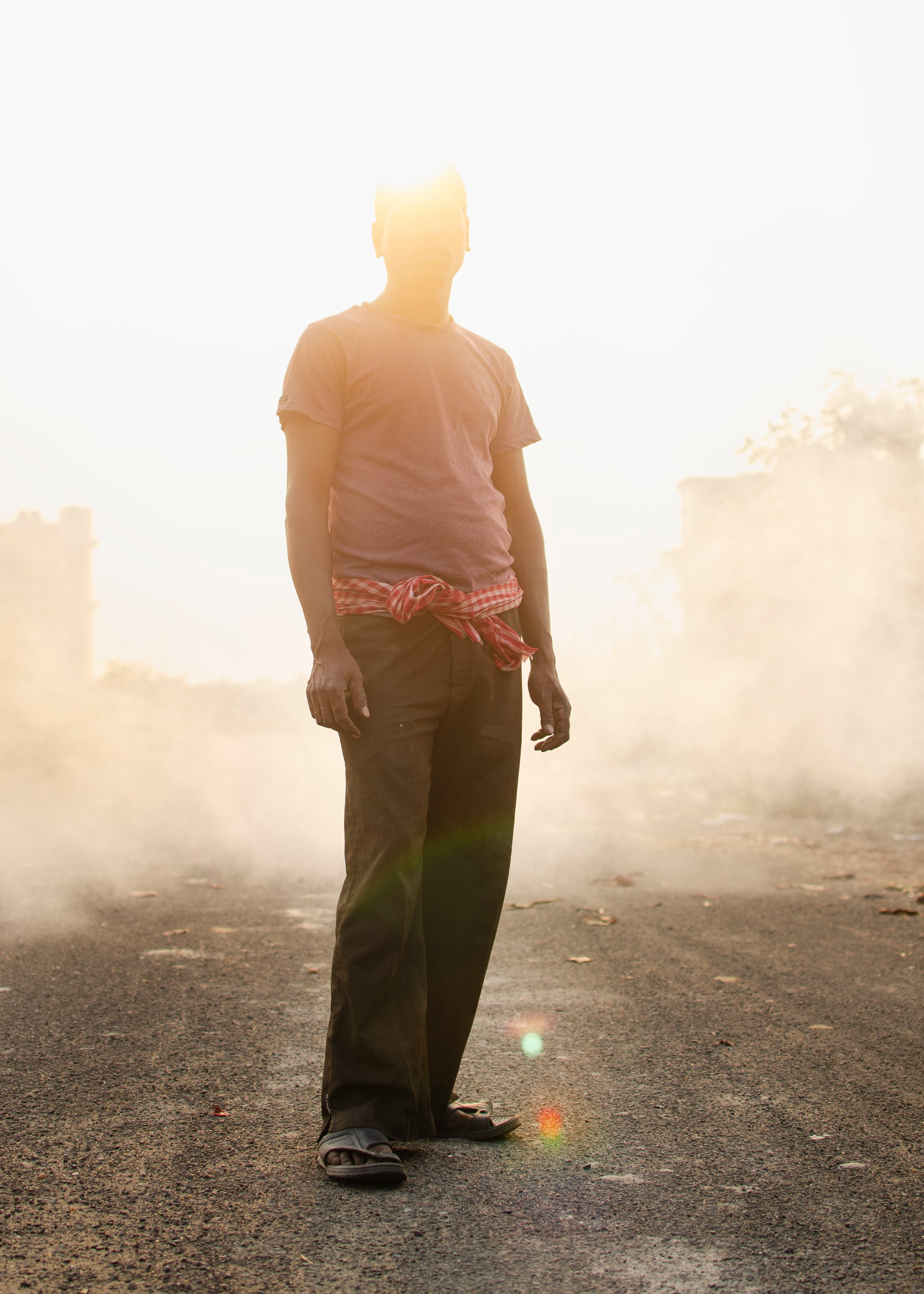
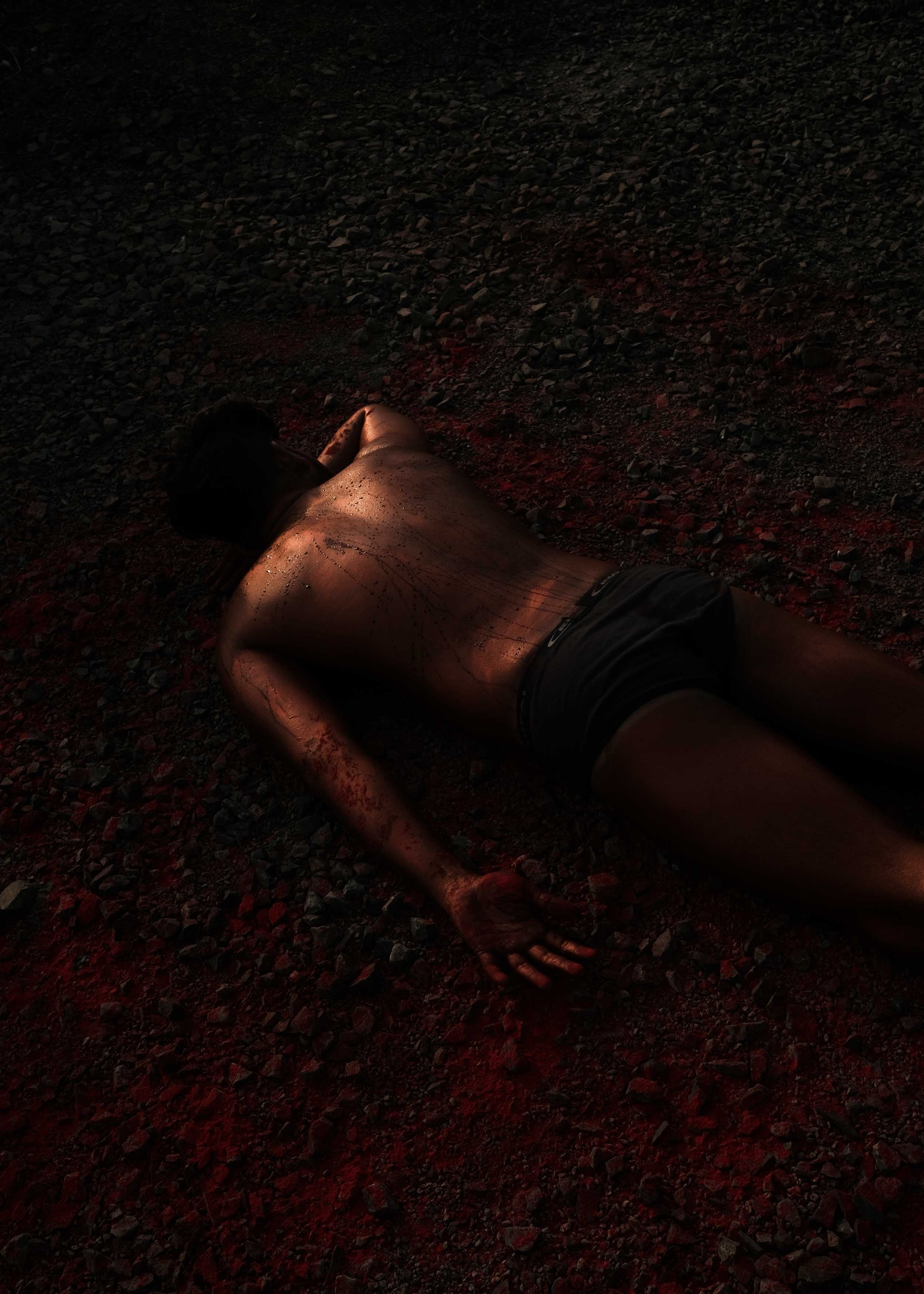
I think that was the tipping point for me, when I realised that I need to talk about my own position in this whole system. And to make myself complicit in that history of the land, I started looking at specific aspects. For instance, there is a photograph of a man lying on the ground, who looks like he's shot and is covered in blood. The reality of this image is that I photographed it during the festival of Holi, and he was completely drunk. And for me, this symbolises something more than that. When I strip it away from its context without any explanation, I am manipulating the meaning just as much as history is manipulated in this land.
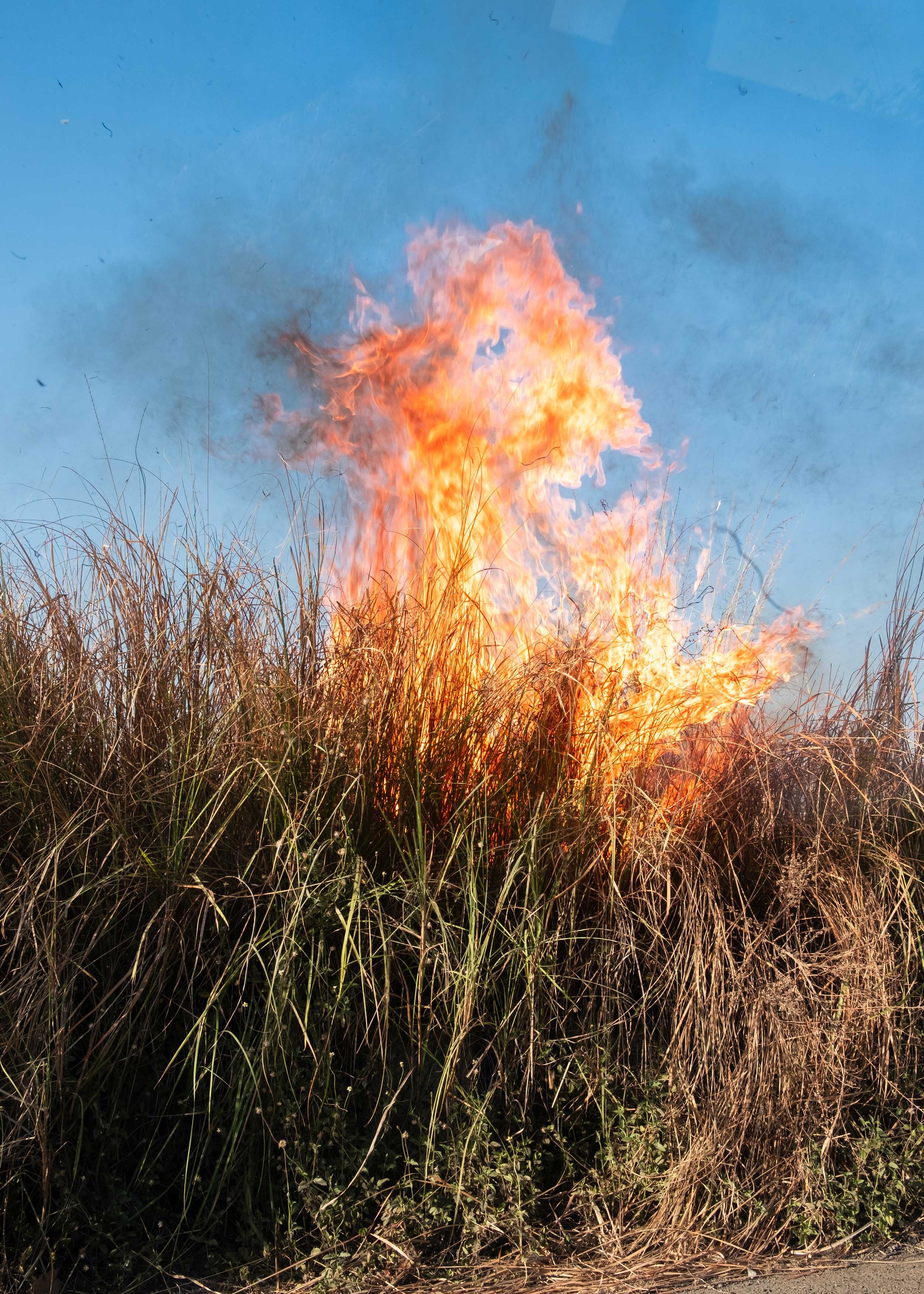
My other intention was to make spectacular of this gentrification, and of this violence of land grab, which has almost become banal in our lives. So, I wanted to move away from making ordinary things look poetic, and instead make the work look and feel quite spectacular. And in this way, I hope that my audiences start registering that this is something more than documentation.