There's a particular generosity in what a festival does: it becomes the roof where different ways of seeing, and the people who carry them, come together rather than compete for a single spotlight.
There's a particular generosity in what a festival does: it becomes the roof where different ways of seeing, and the people who carry them, come together rather than compete for a single spotlight.
There's a particular generosity in what a festival does: it becomes the roof where different ways of seeing, and the people who carry them, come together rather than compete for a single spotlight.
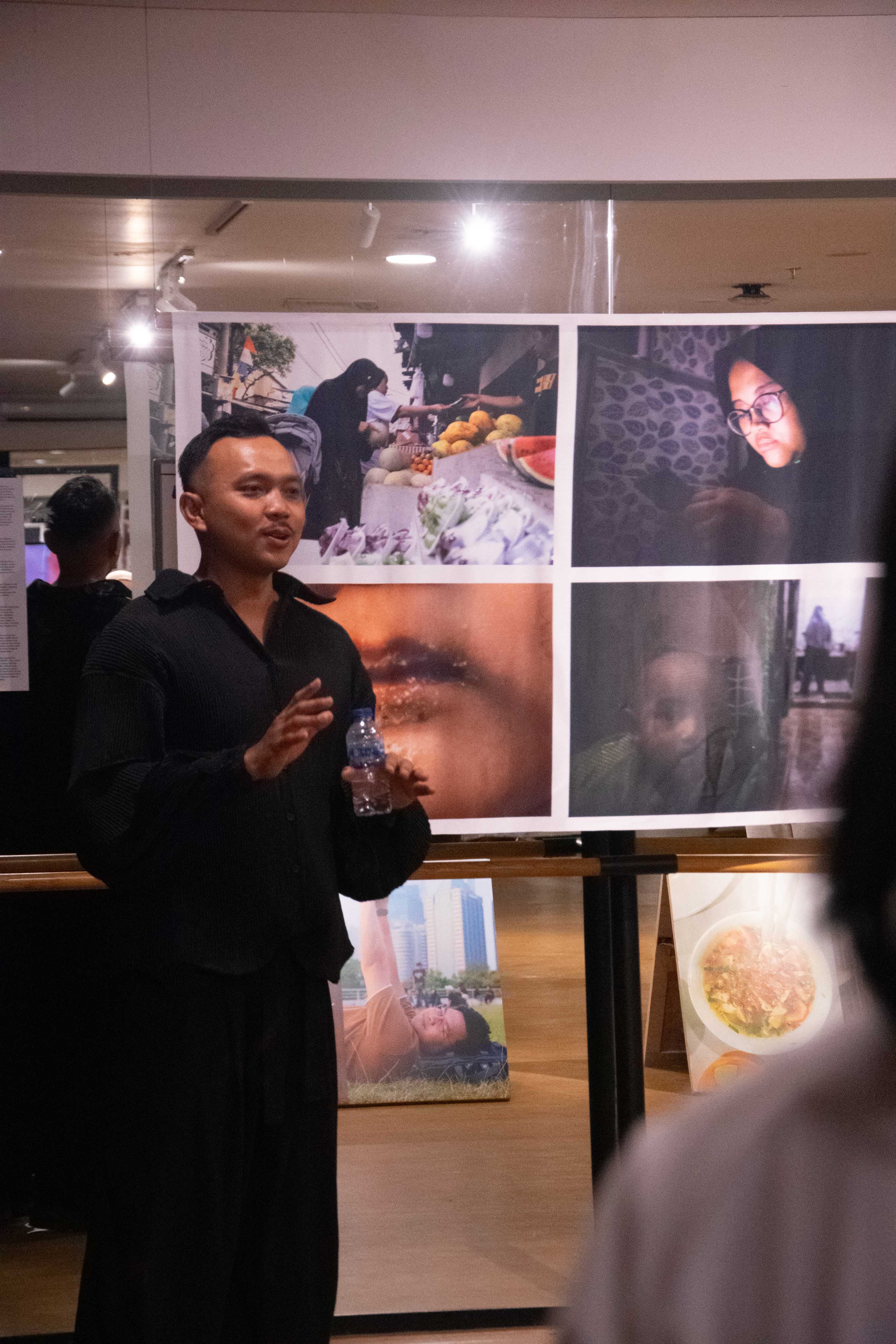
Image courtesy of JIPFest
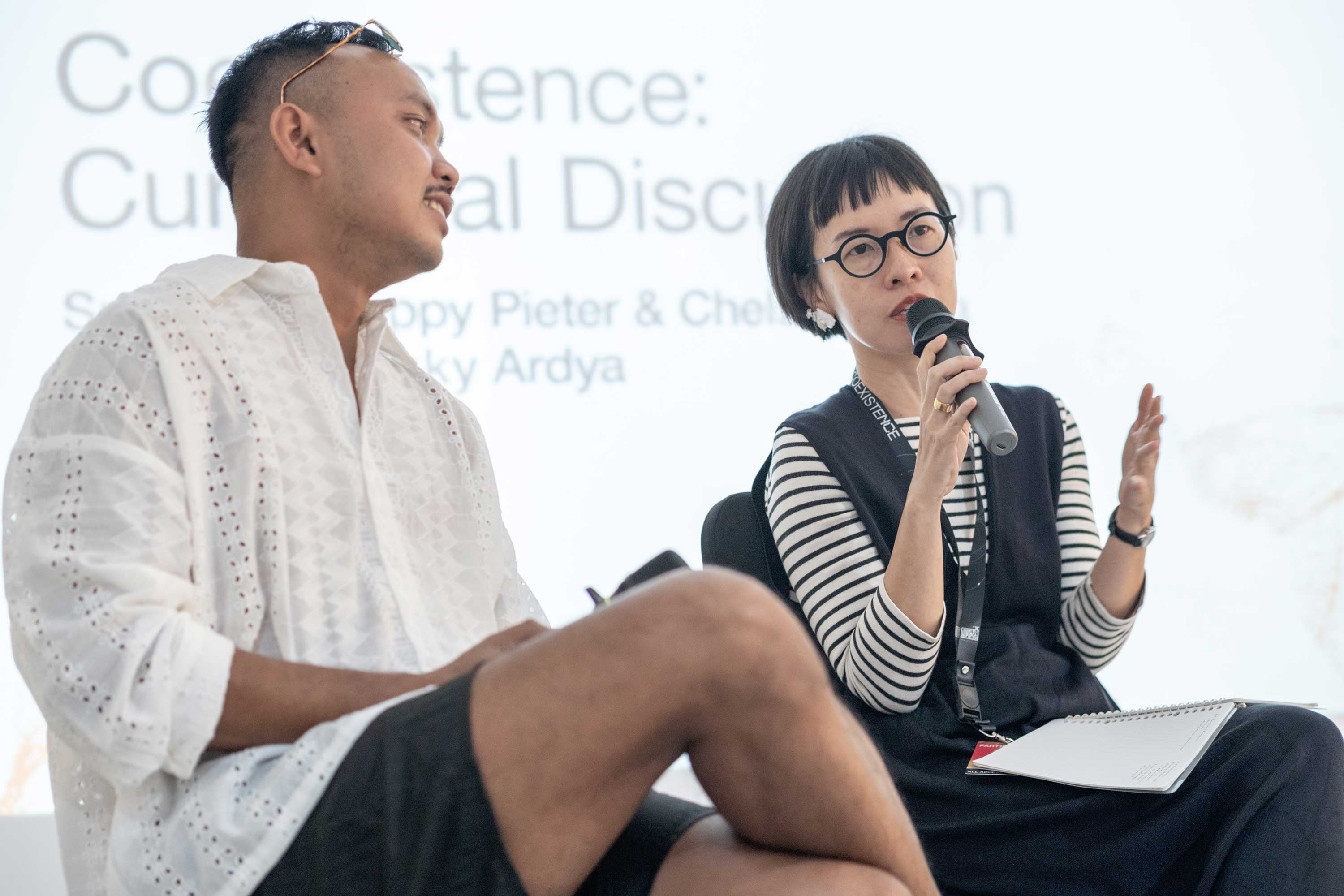
Yoppy Pieter and Chelsea Chua. Image courtesy of JIPFest
Almost a decade of living across Southeast Asia has taught me something simple but easy to forget: festivals are where a region actually meets itself. I've watched photographers, curators, and audiences gather season after season at places like JIPFest and Angkor Photo Festival. These are spaces built specifically to support and engage with local and regional image-makers. I have always seen Indonesia as a powerhouse for photographers and artists, a country whose image-makers deserve more of the international attention that festivals like JIPFest exist to build toward. It's in that context that JIPFest's return this year, under Resilience, feels less like a single festival's theme and more like a continuation of something the region has been building toward for years.
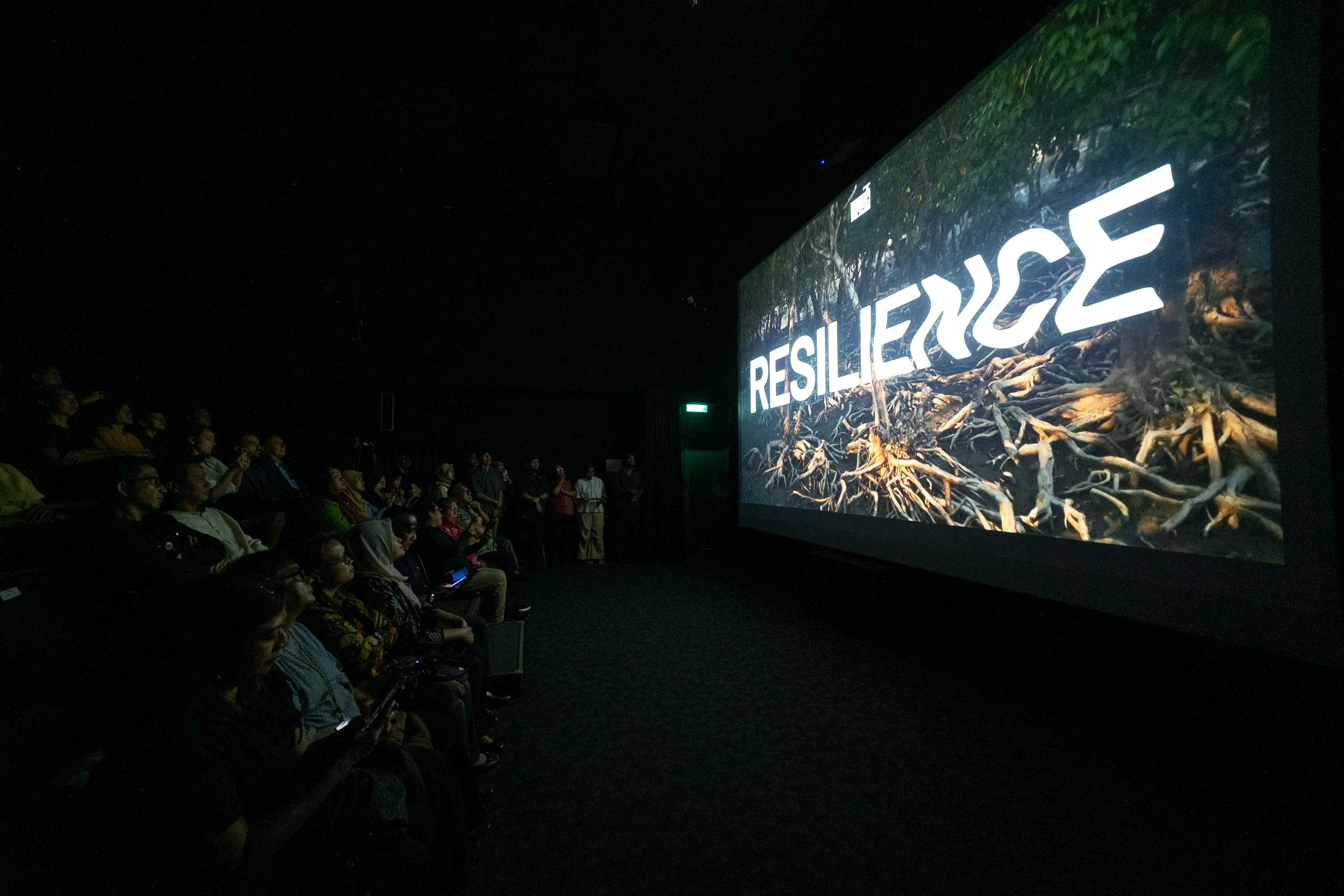
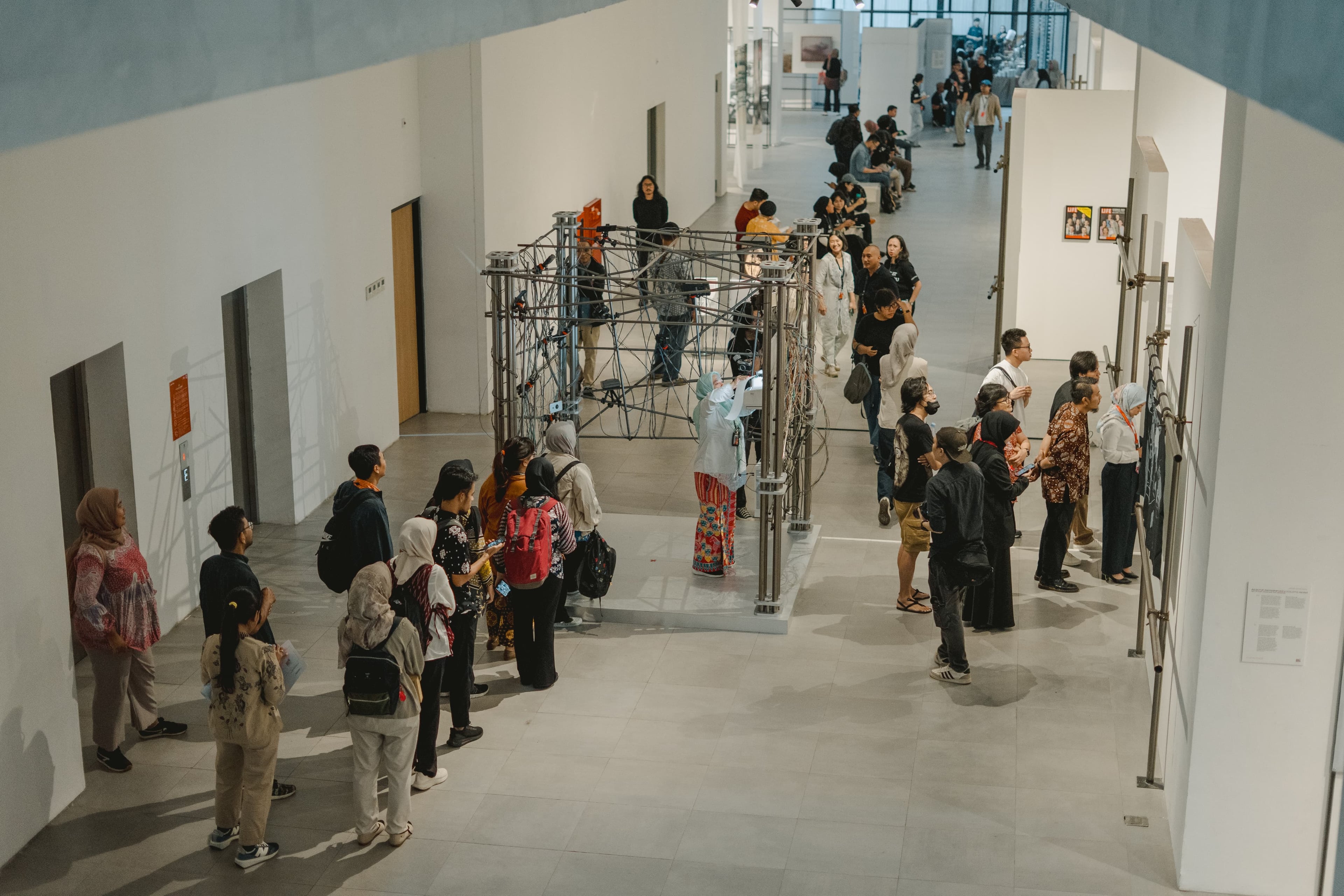
JIPFest began in 2019 as Indonesia's first international photography festival. This year's edition, Resilience, runs 11th to 20th of September at Taman Ismail Marzuki, with more than fifty works from nineteen countries. Yoppy Pieter, a photographer and curator, is curating for a second consecutive edition alongside Chelsea Chua. Pieter is a Jakarta-based visual storyteller, educator, and independent curator whose work moves through identity, gender, environment, and health; Chua is a Singapore-based cultural worker and Programme Director at Objectifs Centre for Photography and Film, where she develops exhibitions and initiatives across Southeast Asia. It's through their eyes that we look at what JIPFest has become.
DH: You're a photographer and a curator. What does JIPFest look like from the curator's chair that you couldn't see from behind the camera?
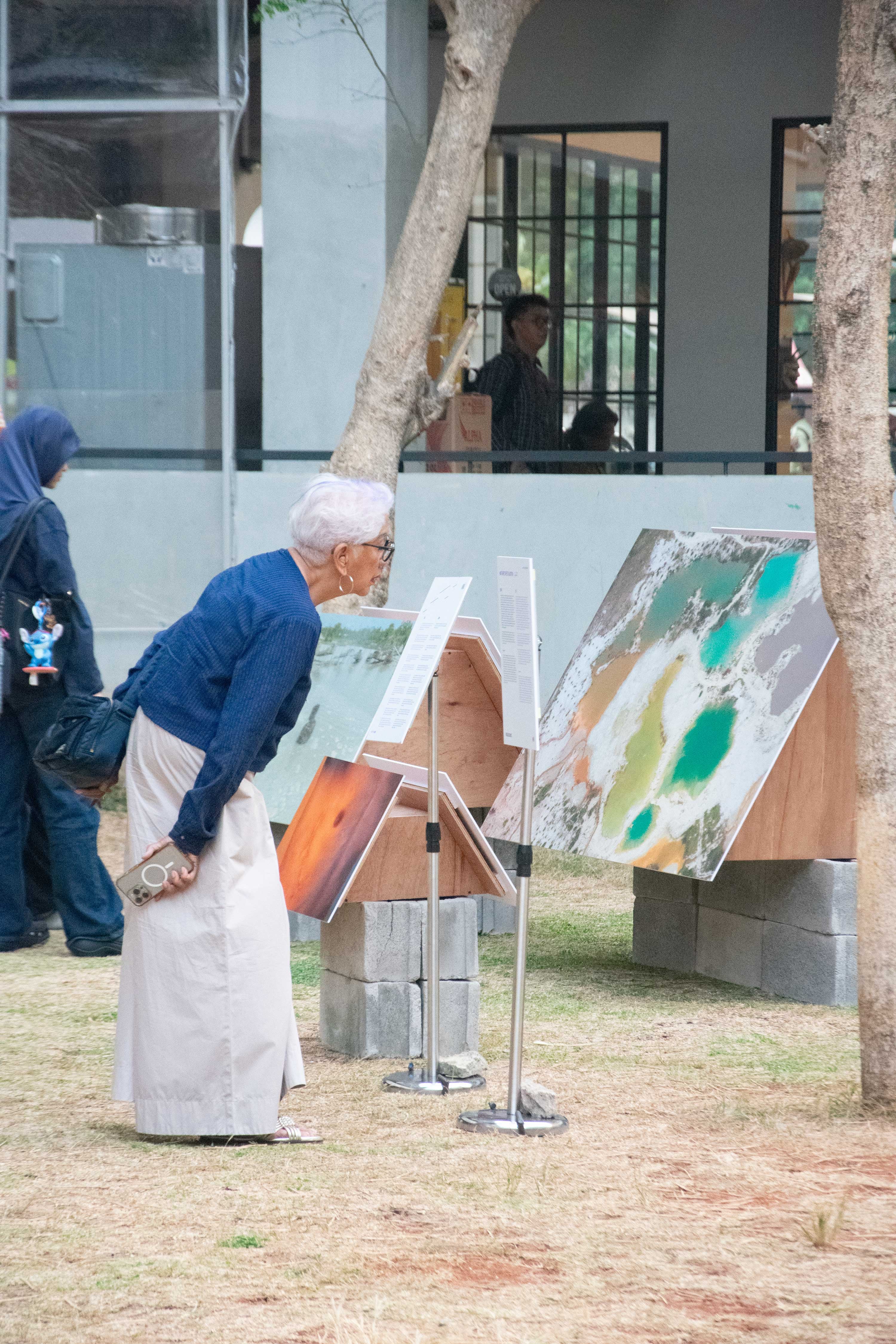
YP: I always try to bring a piece of the photographer's experience into the process of responding to the space. This can come from an interview, a conversation, or even a brief discussion with the artist. In my curatorial practice, I try to translate that experience both literally and non-literally. It influences how I think about the design, scale, materials, and the overall way a work is presented in the space.
DH: You're a curator and cultural worker who's spent your career shaping how photography gets shown across Southeast Asia. What does JIPFest look like from your side of the table, coming in as a curatorial partner rather than someone based in Jakarta?
CC: Working with the festival over two editions has been a great privilege for me. It’s given me a more nuanced understanding of the photography scene in Jakarta, especially given the incredible diversity of photo practices that photographers and artists here engage with. From my view, JIPfest has created a generous and hospitable space that centres a love for photography and community. While the main exhibition features photographers from all over the world, there is a sincere desire for the festival to be an event that contributes real growth to the ecosystem in Jakarta, whether it be through nurturing a market for photography, or extending photography’s appeal to a wider audience. This something that is important in my own work, and I admire the festival team’s efforts.
DH: Beyond the photographs themselves, what do you think a festival like JIPFest actually holds, for the photographers who show here, for the audience walking through, for Jakarta as a city?
YP: I was born and grew up in Jakarta, and I have witnessed how the city has evolved and become this huge, complex bowl of different cultures, communities, and perspectives. For me, JIPFest stands as an alternative space for sharing and exchanging knowledge. This becomes even more important in the digital era. The festival creates a physical space where people can slow down, spend time with the work, and digest the narratives. I think the festival plays a significant role in the creative life of the city I call home.
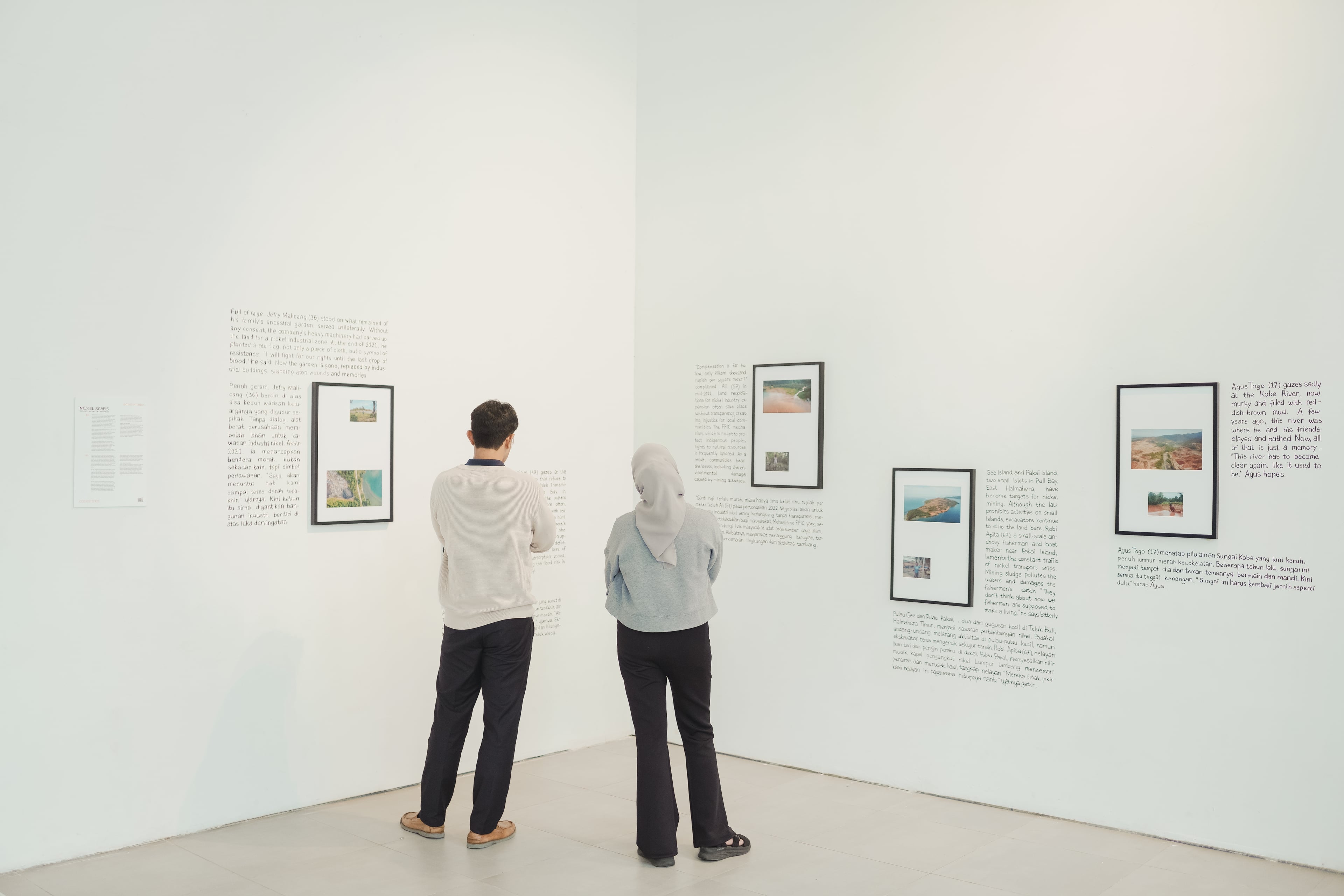
Image courtesy of JIPFest
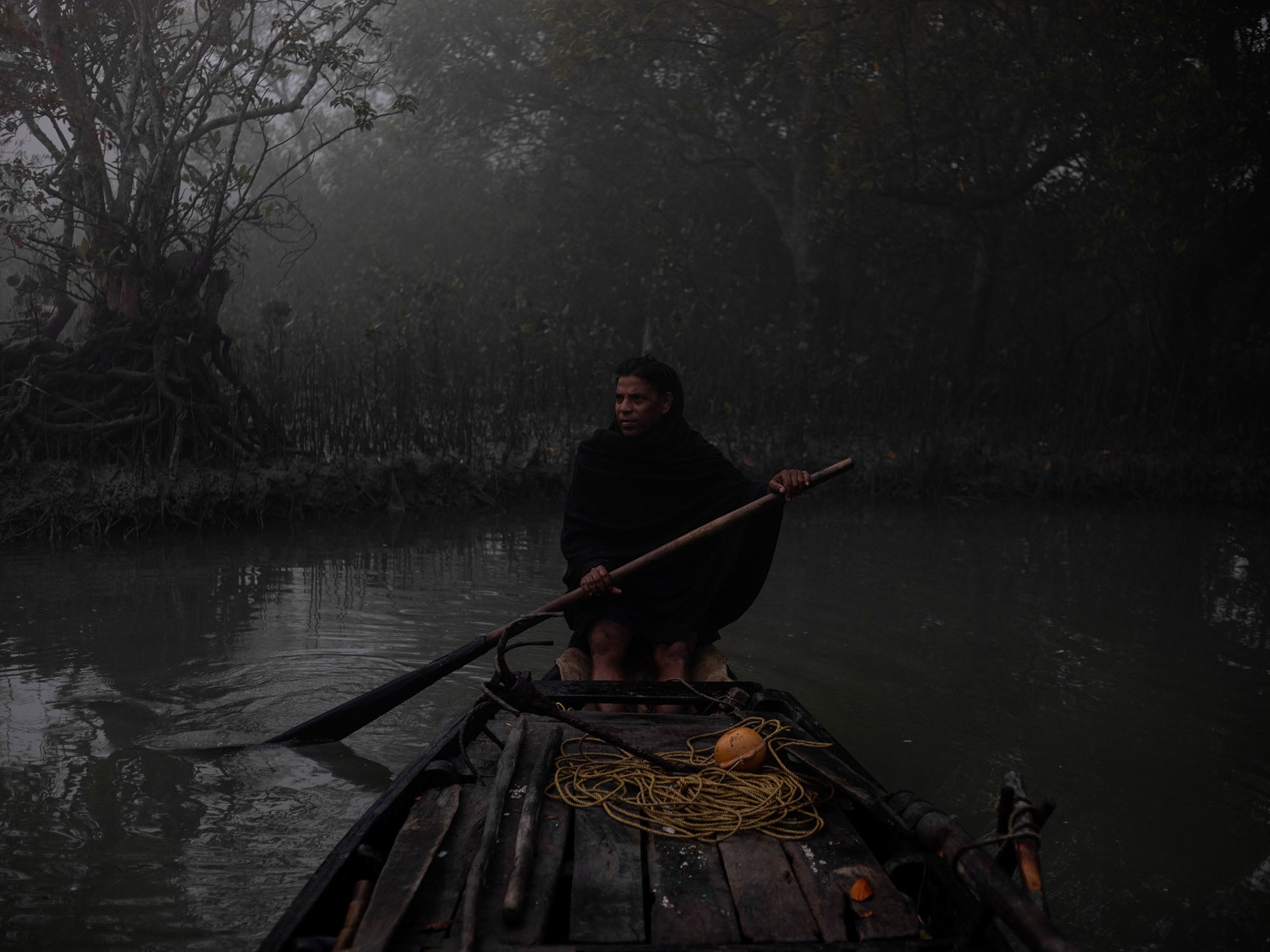
Yoppy Pieter Image courtesy of JIPFest
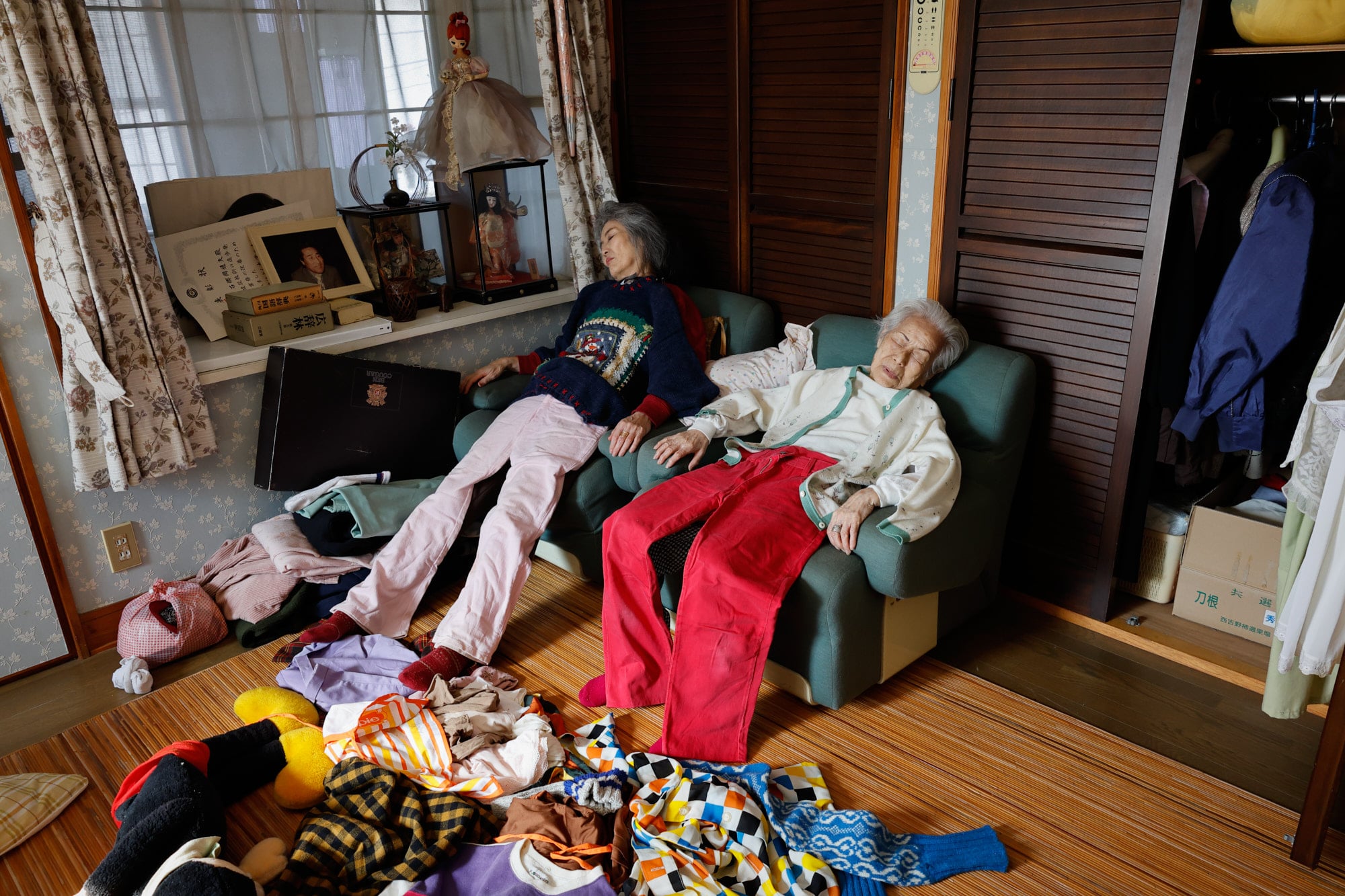
Image courtesy of JIPFest
DH: Reading the run of themes in order, Identity, Space, Revival, Generation, Coexistence, Resilience, is there a throughline across seven years, or does each edition deliberately answer the one before it?
YP: Yes. I see each theme as a summary of different intersections and phenomena that have emerged over the past one, five, or even ten years. What is interesting is that some photographers may already have been working with the spirit of these themes before they were articulated by the festival. So, in a way, the themes are not isolated from one another. They reflect what is happening around us, while each edition allows us to look at those issues from a different perspective.
DH: JIPFest carries an explicit mission to put Indonesian photographers on an international stage while also drawing international work into Jakarta. Seven editions in, is that still the right way to describe what the festival does, or has its actual role shifted?
YP: I think this intersection works very well in creating the kind of photography ecosystem that we need. JIPFest has become a shelter where creatives, hobbyists, photographers, and experts from different fields can gather and exchange perspectives. That exchange gives us the courage and energy to continue growing photography in Indonesia. I believe this is the right moment to expand the possibilities for collaboration and to further elevate the value of photography within Indonesia's creative ecosystem.
DH: This is the festival's second edition running with the same curatorial pair. What does that continuity do for a festival like this? Does it build a curatorial identity for JIPFest itself, distinct from whoever happens to be curating?
YP: Since we started working with JIPFest, we have felt that having two curators is a strong approach because we complement each other and fill each other's gaps. I can bring a local perspective, while Chelsea brings a perspective from outside Indonesia, and that difference creates another layer of value to the conversation. At the same time, we want to keep the process fresh. Continuity doesn't necessarily mean repeating the same approach. It gives us a foundation while still allowing us to question and develop how we curate the festival each year.
CC: Curatorial work for me has always been relational more than anything else. When working as a curator, I prioritise building relationships with the artists, the institution, the audience, and in this case, my fellow curator who has become a great friend. Reprising our curatorial partnership was wonderful because there is trust between Yoppy and myself as co-curators, where we have become somewhat familiar with each other’s rhythms, and are not afraid to seek advice, have honest conversations and ask for support.Every curator will be drawn to different practices and have their own networks. It is difficult to say how having the same curatorial team twice in a row will impact the curatorial slant of the festival in the long term, but Yoppy and myself believe in showing a good balance of regional perspectives and international projects, with strong visual storytelling and a perceptive interpretation of the festival’s theme as a key priority.
DH: What's the actual working rhythm like between you two? Do you split the submissions and compare notes after, or sit through the selection together from the start? Where does it get easy, and where does it get harder than curating alone?
YP: At first, each of us went through the entire submission pool and made our own selections. After that, we sat together and compared our choices, looking at where we had selected the same artists and where our perspectives differed. Sometimes an artist we initially selected doesn't make it into the final selection because we have to consider several things, including geography, gender, and the strength and diversity of the narratives. We want to make sure the selection is inclusive and reflects the values of the theme we believe in.
For the placement process, we divided the artists between us. Chelsea handled 12 artists, while I handled 10 artists from the open call, as well as 17 artists from JIPFest's partner programmes, including CISDI, Pulitzer, MTN, and Akar Kehidupan by PannaFoto.
CC: I generally enjoy working collaboratively, so having a co-curator has been a pleasure. We selected the projects together, and then decided collectively how to split up the list of artists who were invited for the exhibition and where they would be shown. While we take on conversations with the artists individually, we check in with each other regularly to discuss ideas and the logistical needs of the exhibitions. Where it gets challenging is how little time we have to spend with each other to discuss these matters, because we are both very busy individuals who are based in different countries, and the timeline for working on the exhibition is tight. This can limit the depth of the collaboration, but we did our best.
DH: With more than fifty works arriving from nineteen countries, Resilience can mean very different things depending on who's using it. What did you want this year's selection to say about it specifically?
YP: We wanted to see resilience in many different forms, including economic, political, environmental, and cultural resilience, as well as the intersections between them. When all the works come together on the walls, they create a mixture of perspectives and emotions. For me, that complexity is important because resilience is not a single experience or a straightforward story.
CC: What you mentioned about resilience meaning different things depending on its context is very perceptive. I think that resilience has become a catch all term for a kind of endurance and struggle; where this becomes problematic is where resilience as a term becomes co-opted by institutions and corporations to mask the need for systemic change, and the onus is placed on communities and individuals to endure and tolerate conditions of suffering and erasure. I hope that the selection for this year’s exhibition can offer a more dynamic interpretation of resilience, where the act of being resilient is also a path to healing and solidarity.
DH: If someone has never been to JIPFest before and this is their first time walking through it, what do you want them to understand about the festival itself, not just this year's theme, by the time they leave?
YP: I hope they see JIPFest as a platform to hang out, learn, express themselves, and encounter different parts of the world. Most importantly, I hope they see that photography is a flexible tool. You can really see that in the way we present the different works across the festival. Photography can take many forms, and it doesn't have to be limited to a conventional photographic exhibition
CC: So much has been said about how we are all photographers in this day and age, yet so much remains to be discovered about the expressiveness and potential of the medium. I hope that the audience will gain an appreciation for JIPfest as a platform for how photography can take different forms and approaches, and how so much of this innovation remains centered on our very human impulses to create and be seen.
DH: One work from this year's selection you keep thinking about, even off the clock.
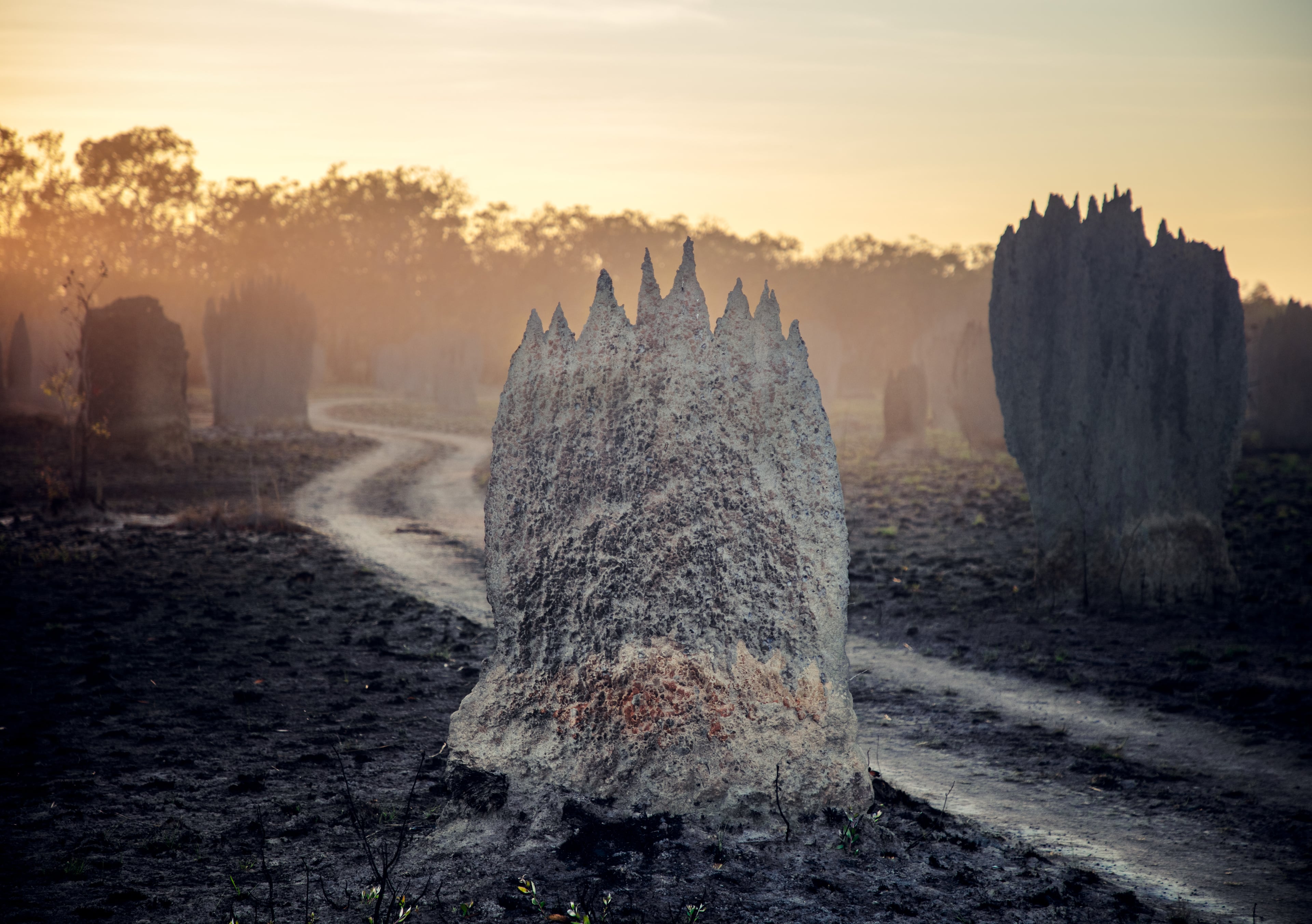
YP: Liss, from Australia, is one of my favourite works. I was drawn to how she responds to the idea of decolonisation through the Australian landscape, particularly through a non-human element: termites that gradually consume books. I find that gesture very powerful. The termites become an unexpected way of thinking about history, knowledge, and the structures that hold them.
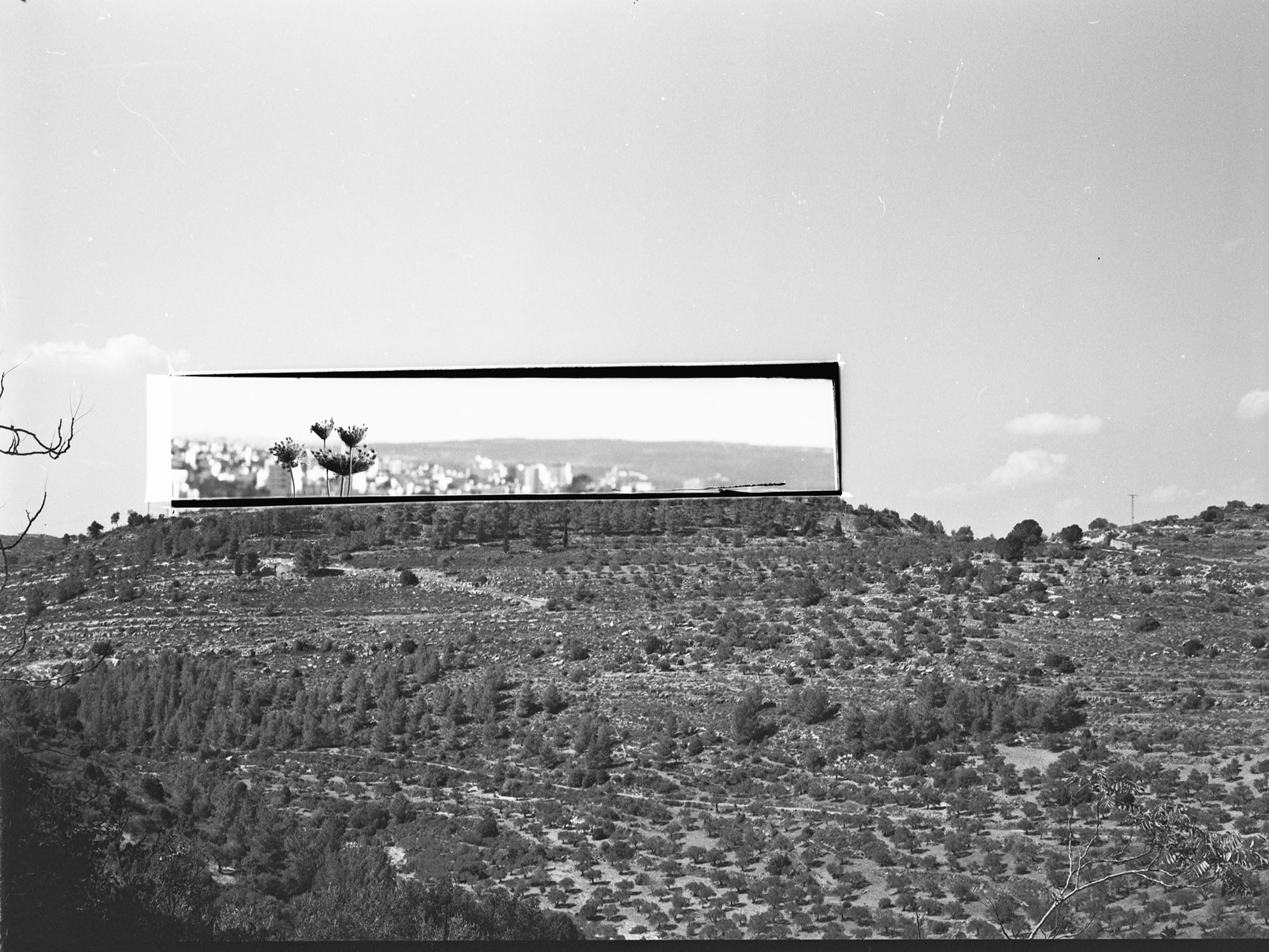
CC: I am greedy and would like to mention two works: How to Fabricate a Memory – Ahmed Alaqra and When Spring Never Comes – Min Ma Naing
DH:JIPFest in three words.
YP: Inclusive. Safe space. Collaboration.
CC: Dynamic, inclusive, optimistic
JIPFest 2026: Resilience runs 11–20 September at Taman Ismail Marzuki, Cikini, Central Jakarta.