OB:
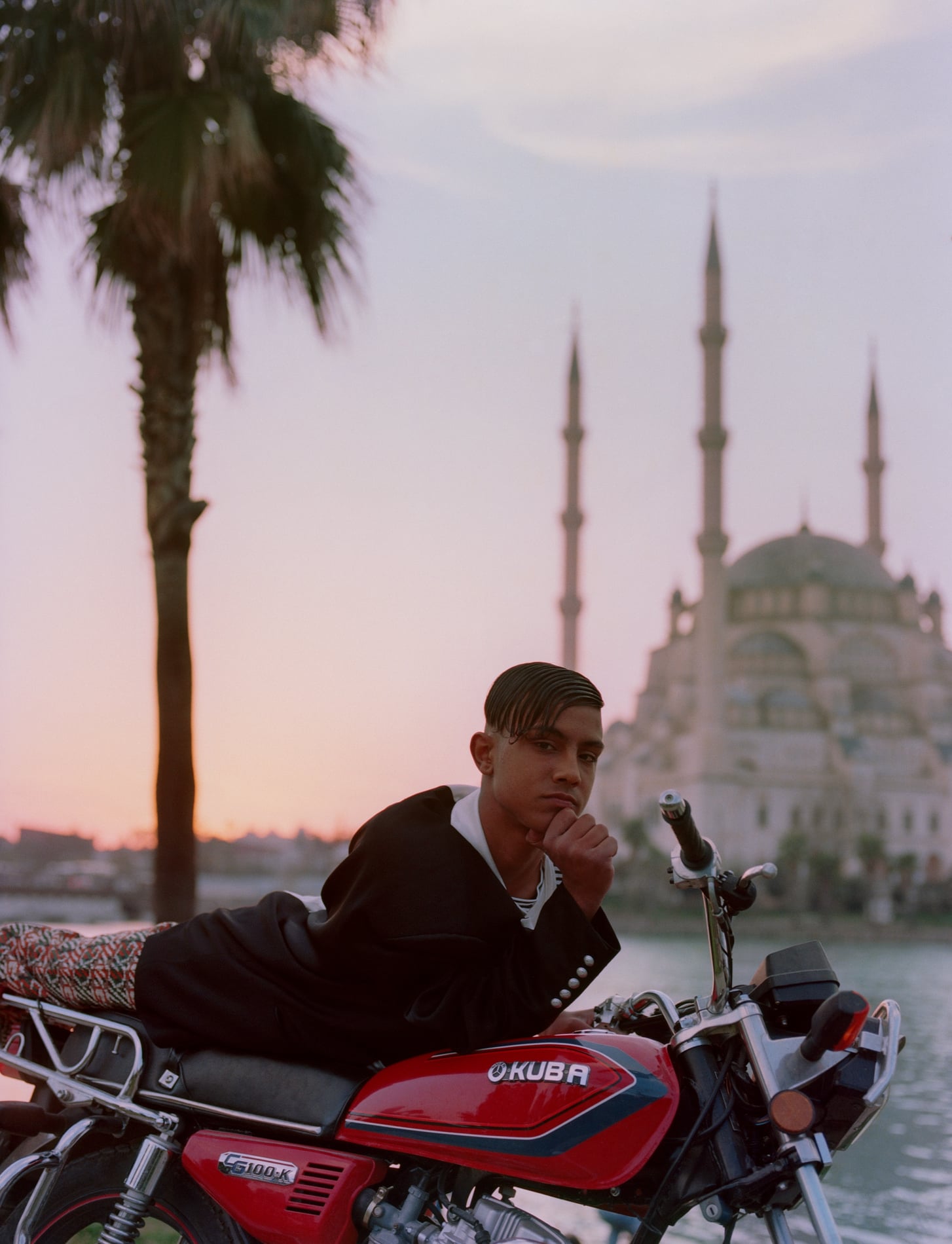
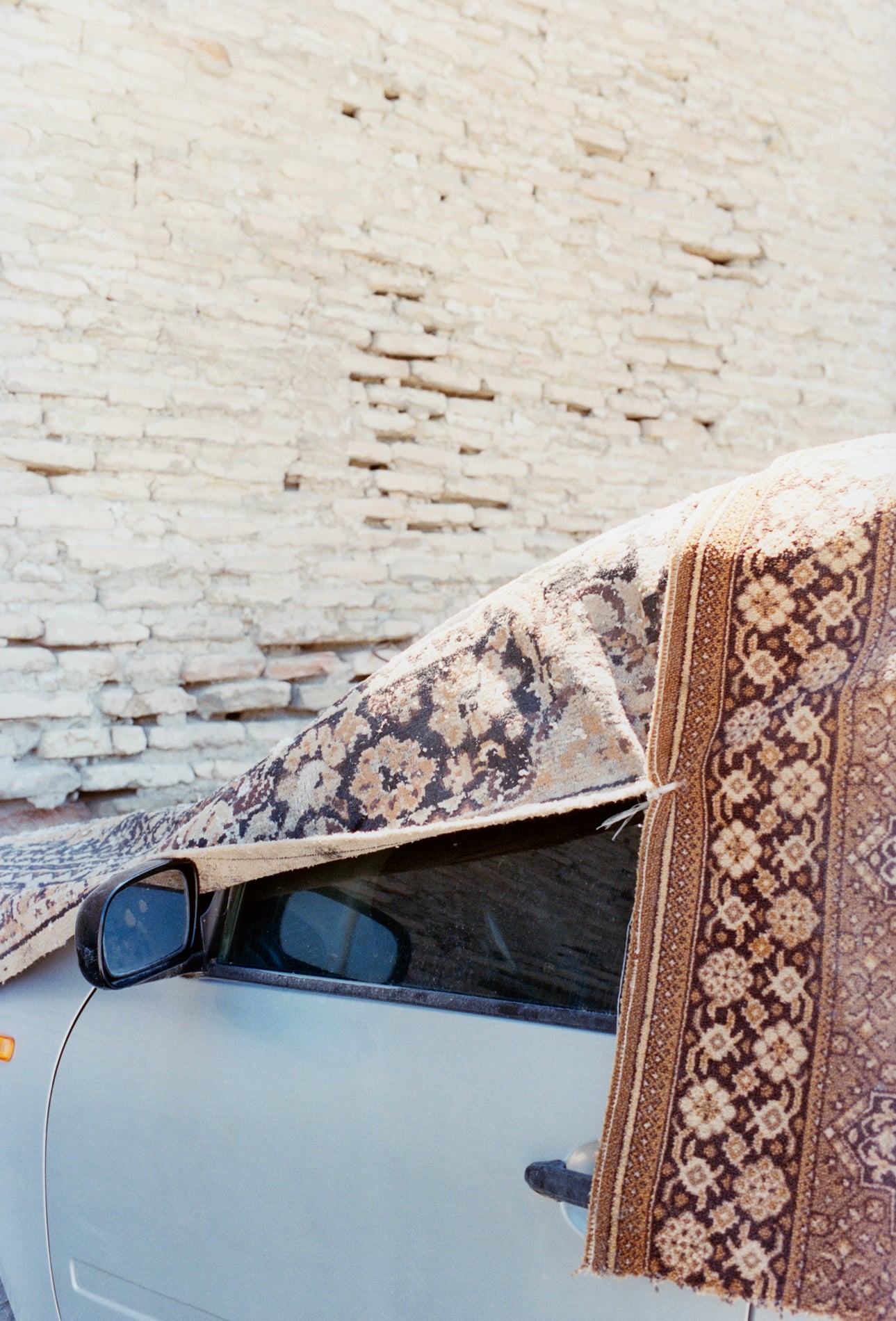
For me, an important first step was unlearning what the Western gaze considers beautiful or aesthetically pleasing. Growing up in Konya, my hometown in Turkey, I found a lot of the kitsch aesthetics and traditional styles around me quite ugly. But over time, my perspective shifted, and the very things I’d learned to dislike became the things I found most interesting and eventually embraced in my work.
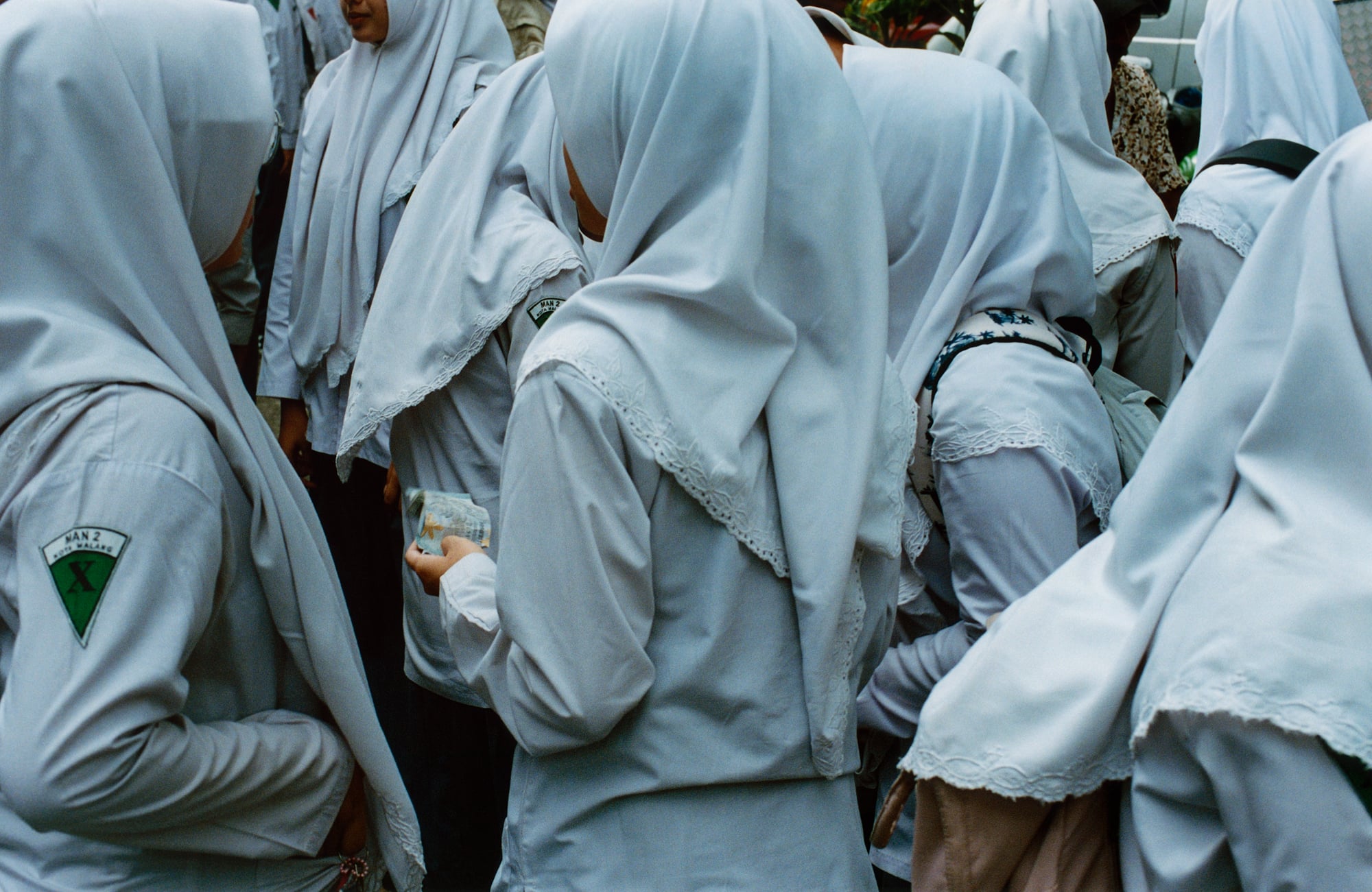
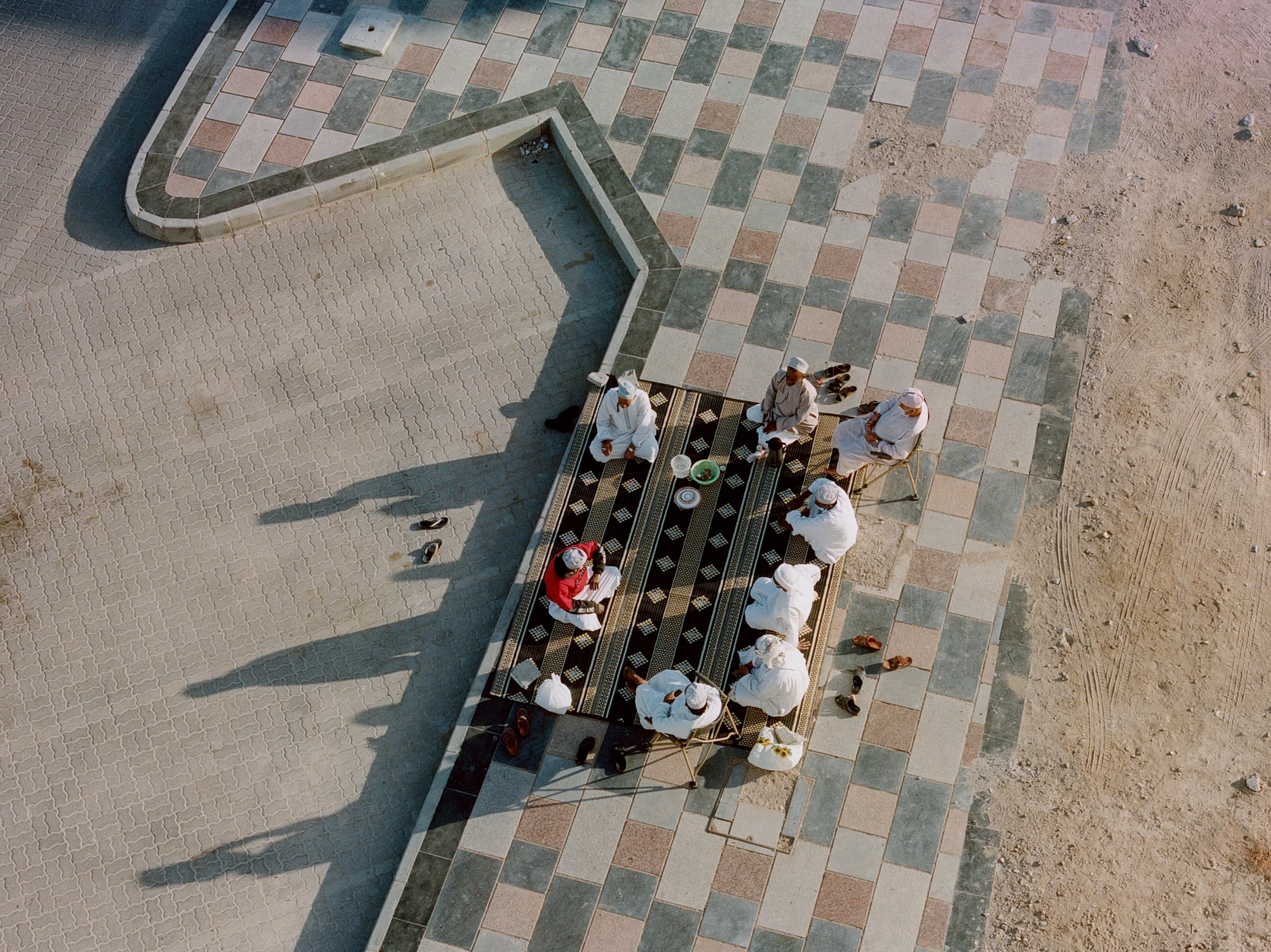
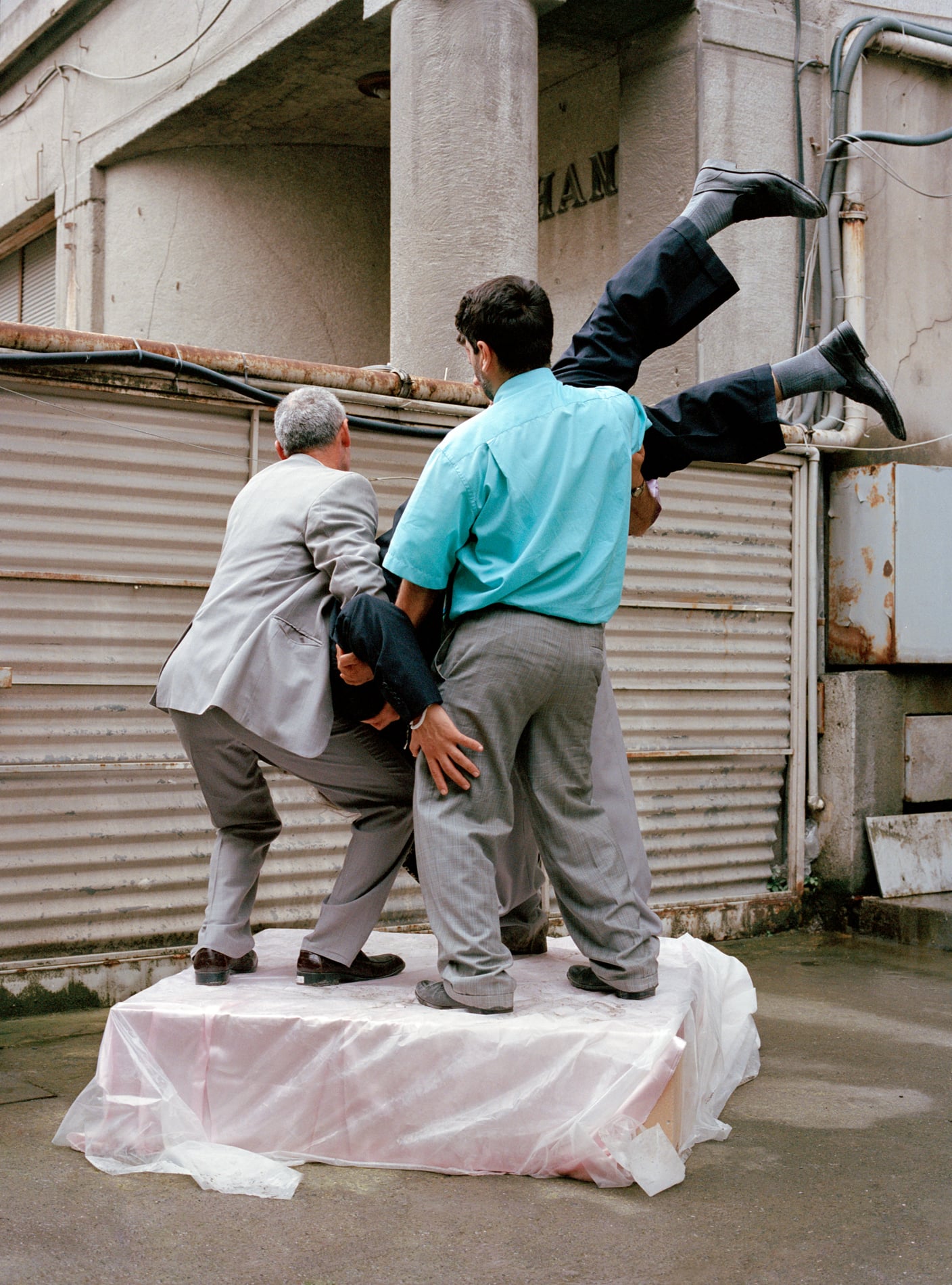
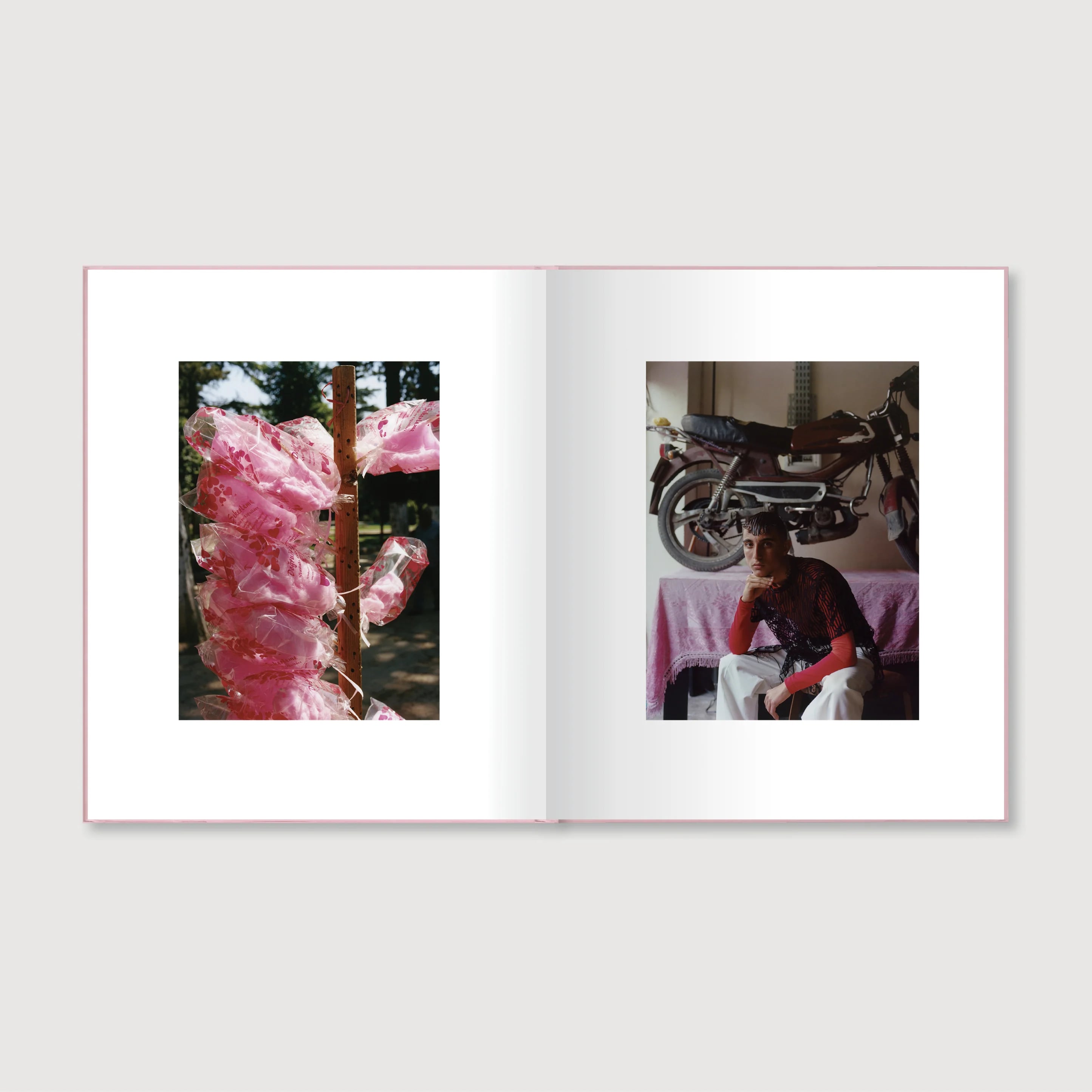
Collaboration is also central to my practice. Most of the photographs in Mustafa emerged from chance encounters, so while I have a broader vision for the work, I try not to approach each photograph with a fixed idea of what it should look like. Especially as my work has become more documentary, I’ve learned to figure things out together with the people I photograph. In Iran, for example, I would go to the bazaar with the people I was photographing and choose clothes with them, exploring different looks and seeing what felt right to each of us. When photographing inside their homes, we would move furniture around and rearrange objects, experimenting with the space until we found a setting that felt natural and meaningful. This makes the process playful, intuitive, and grounded in the moment. It also gives the people I photograph a sense of agency in how they’re represented, which I think is essential to moving away from the Western gaze. I have a background in theatre, and I think that experience has shaped this way of working: creating something together through curiosity, play, and intuition.