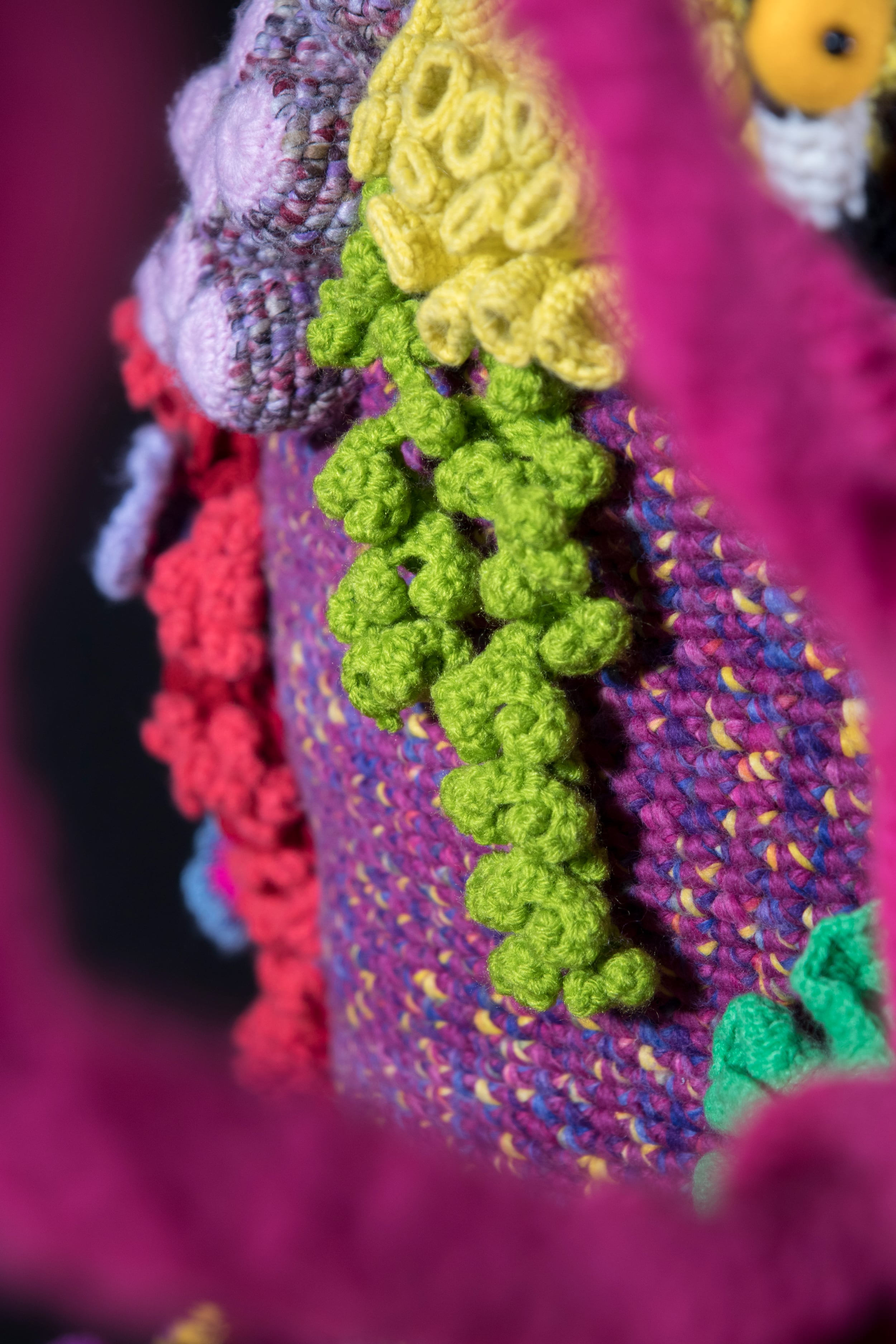
article-hero

INTERVIEW

A Handmade Sea

Mulyana

Writer

Zahra Amiruddin

Art Jakarta Gardens returns for its fifth edition at Hutan Kota by Plataran from 5-10 May 2026, bringing together 26 local and Asian galleries across indoor and outdoor presentations. Within this open-air setting, Indonesian artist, Mulyana transforms thread into an underwater universe teeming with colour, memory, and meaning. Known for his recurring alter ego “Mogus,” his large-scale crocheted installations blur the boundaries between fantasy and ecology, intimacy and monumentality. In collaboration with Bibit for the theme “Tentacles of Wealth,” Mulyana uses the octopus as a metaphor to ask us to look closer at the sea, at ourselves, and the fragile systems that hold both together. Here, we learn more:

Art Jakarta Gardens returns for its fifth edition at Hutan Kota by Plataran from 5-10 May 2026, bringing together 26 local and Asian galleries across indoor and outdoor presentations. Within this open-air setting, Indonesian artist, Mulyana transforms thread into an underwater universe teeming with colour, memory, and meaning. Known for his recurring alter ego “Mogus,” his large-scale crocheted installations blur the boundaries between fantasy and ecology, intimacy and monumentality.

Art Jakarta Gardens returns for its fifth edition at Hutan Kota by Plataran from 5-10 May 2026, bringing together 26 local and Asian galleries across indoor and outdoor presentations. Within this setting, Mulyana transforms thread into an underwater universe teeming with colour, memory, and meaning.
Image
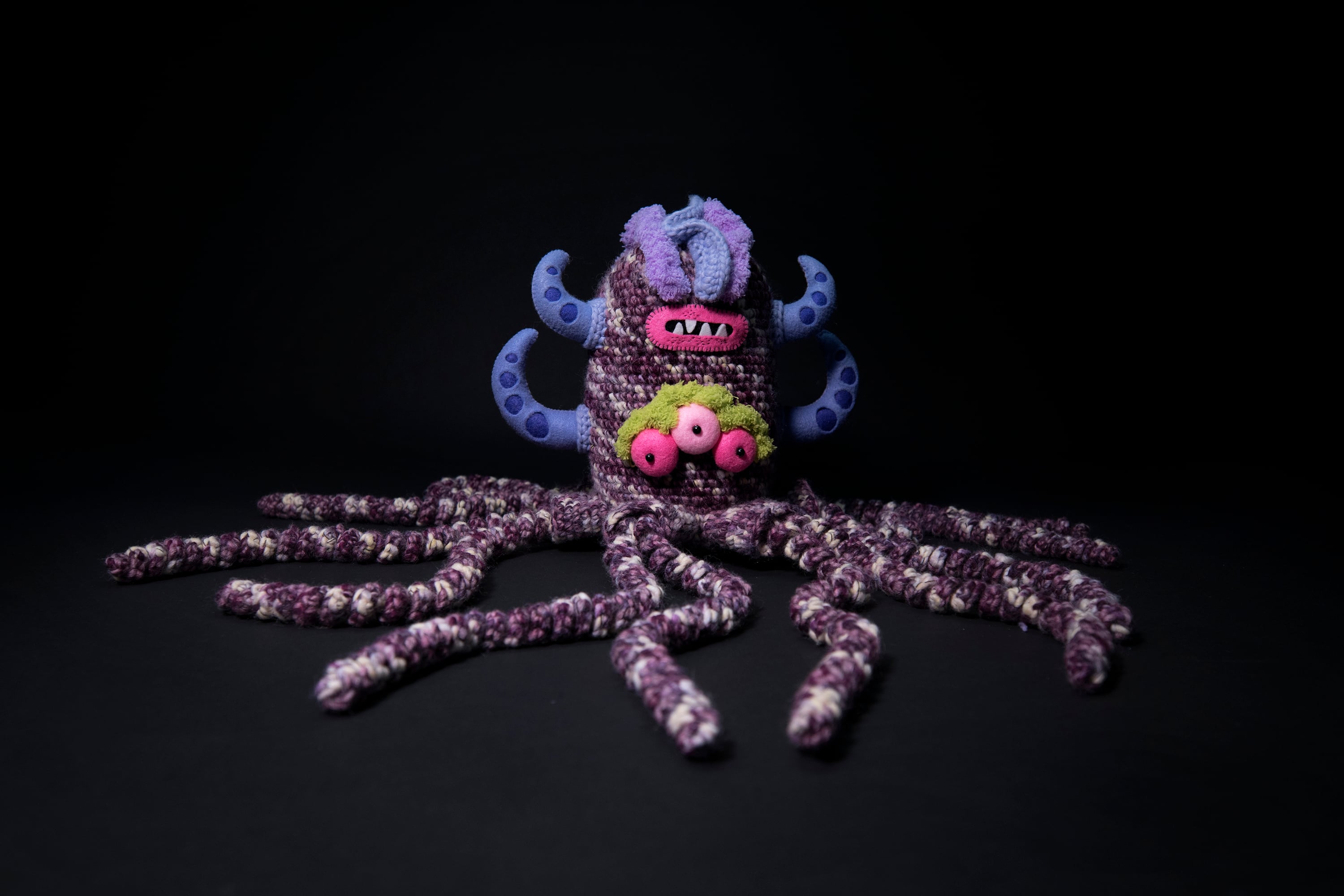
M 64 © Mulyana
Image
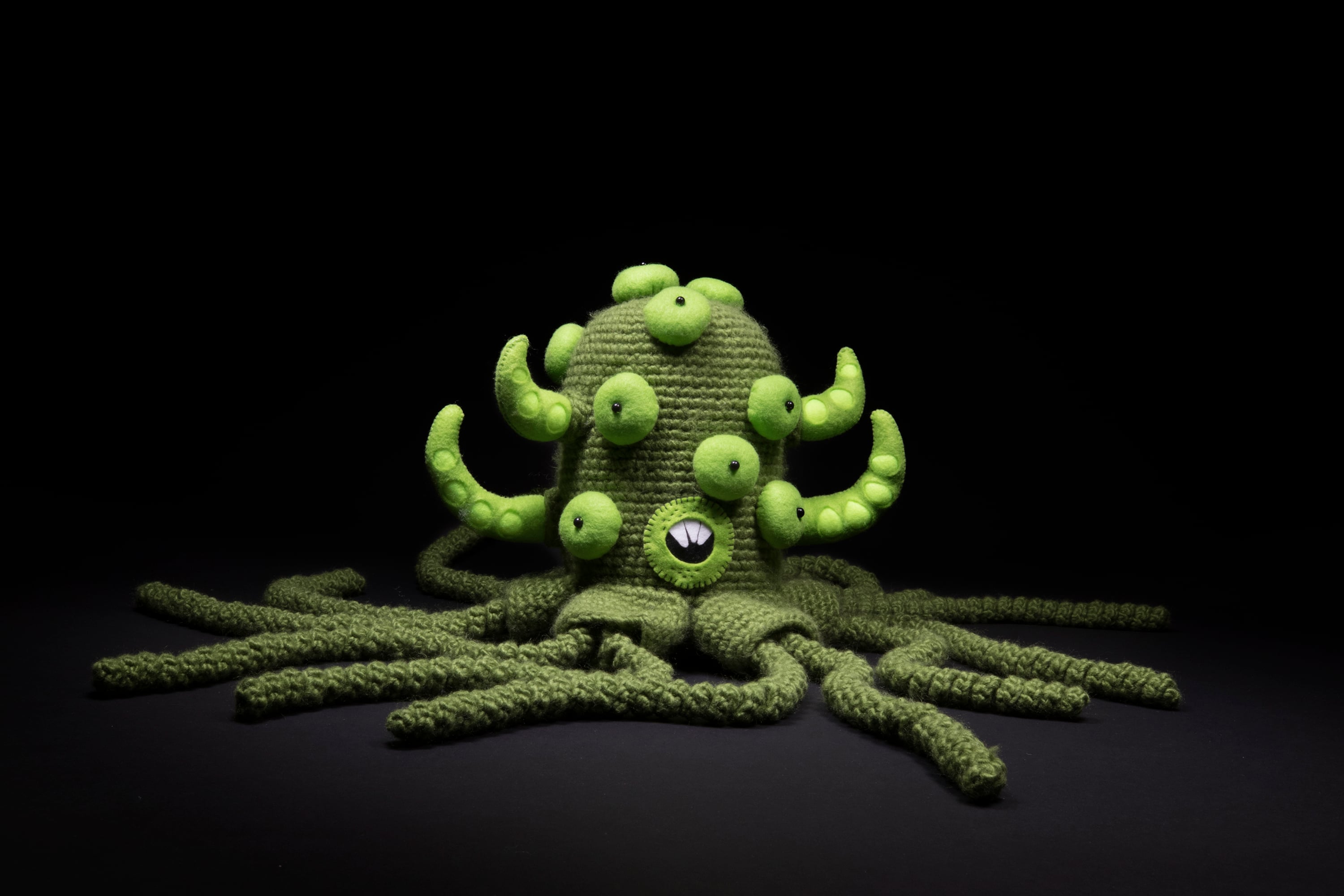
Mogus Character © Mulyana

ZA:

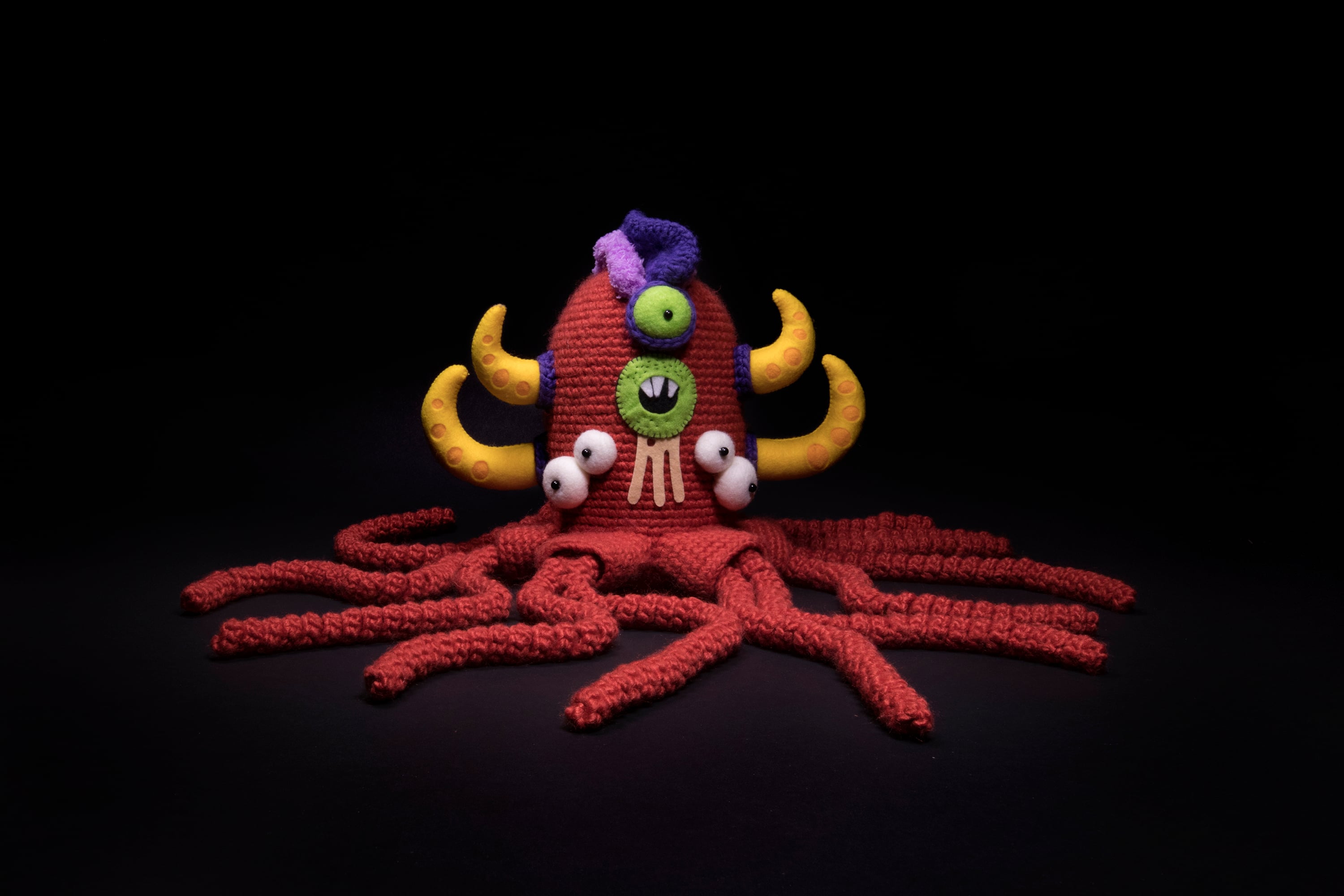
‘Mogus’ has been a recurring character in your work since 2008. When did you first think about creating ‘Mogus’ and what was the inspiration behind its name?

M:

This character was born in 2008 while I was still a student in Bandung. However, the name "Mogus,” is an acronym for Mo-nster Gu-rita S-igarantang. It serves as an alter ego that allows me to externalise my internal world, its fragility, resilience, and joy in a way that is honest yet playful.

ZA:

Your practice seems to be closely intertwined with the sea and its fascinating creatures. Were you always fond of the sea? And where does this association with marine life arrive from?

M:

The ocean holds a deep symbolic meaning for me, it represents vastness, memory, and transformation. Growing up in Indonesia, the sea is ever present, both physically and culturally. I use the metaphor of the underwater world as a mirror for the deep and mysterious, yet colourful and vibrant, inner life of a human being. For me, the deeper we dive into the ocean, we find more of God's amazing creations, and this always triggers my gratitude as an artist.

Image
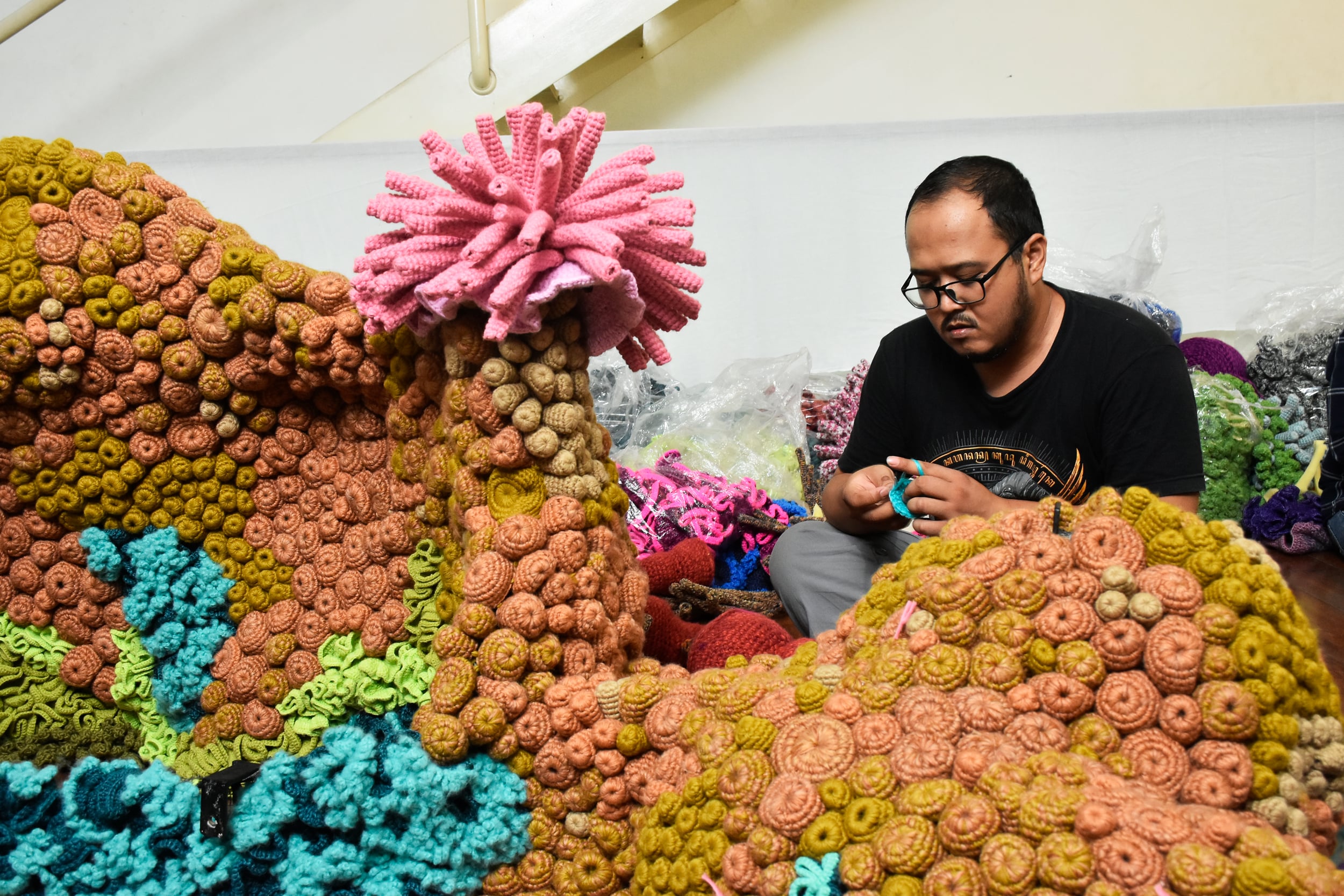
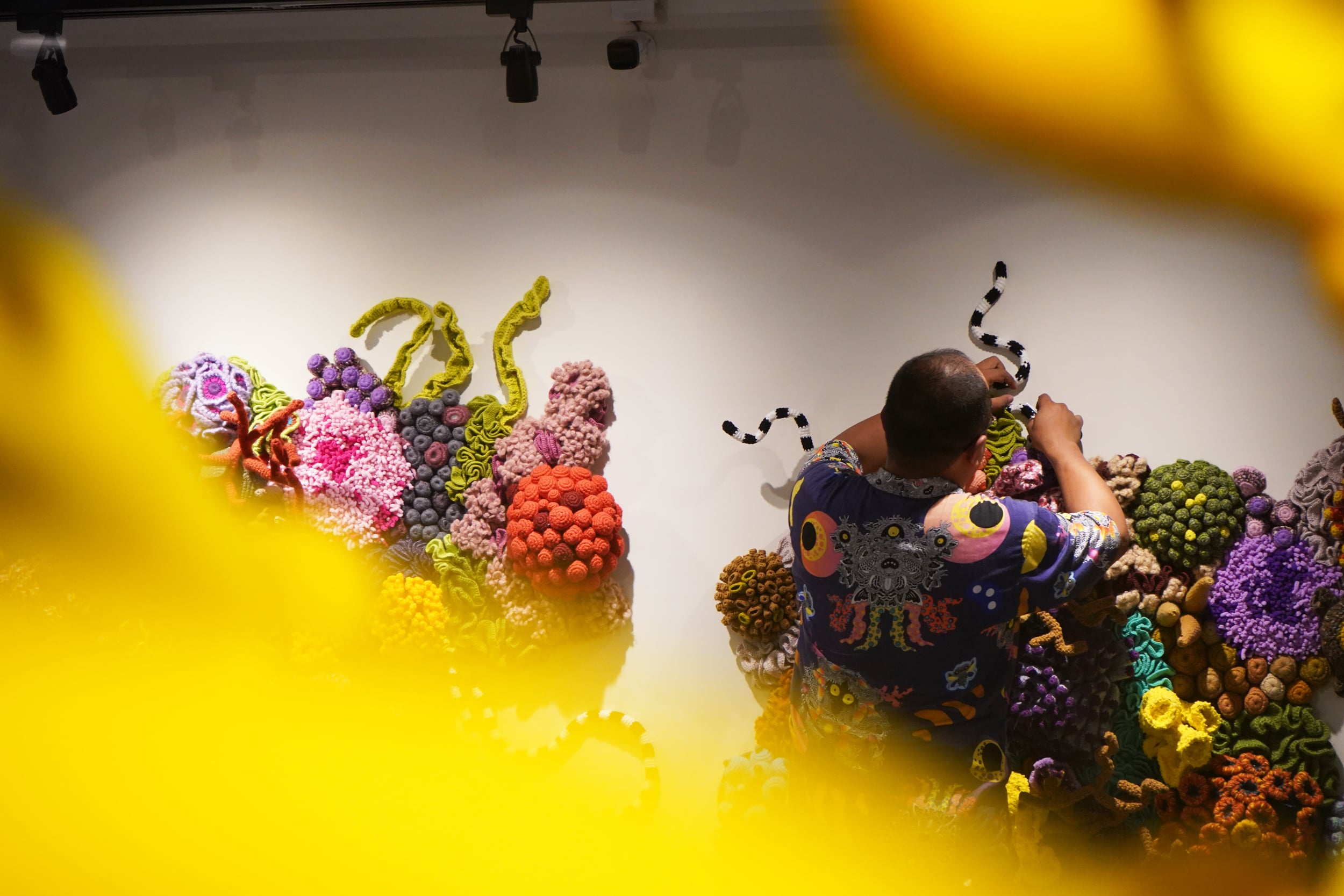
Mulyana during the production.
Image
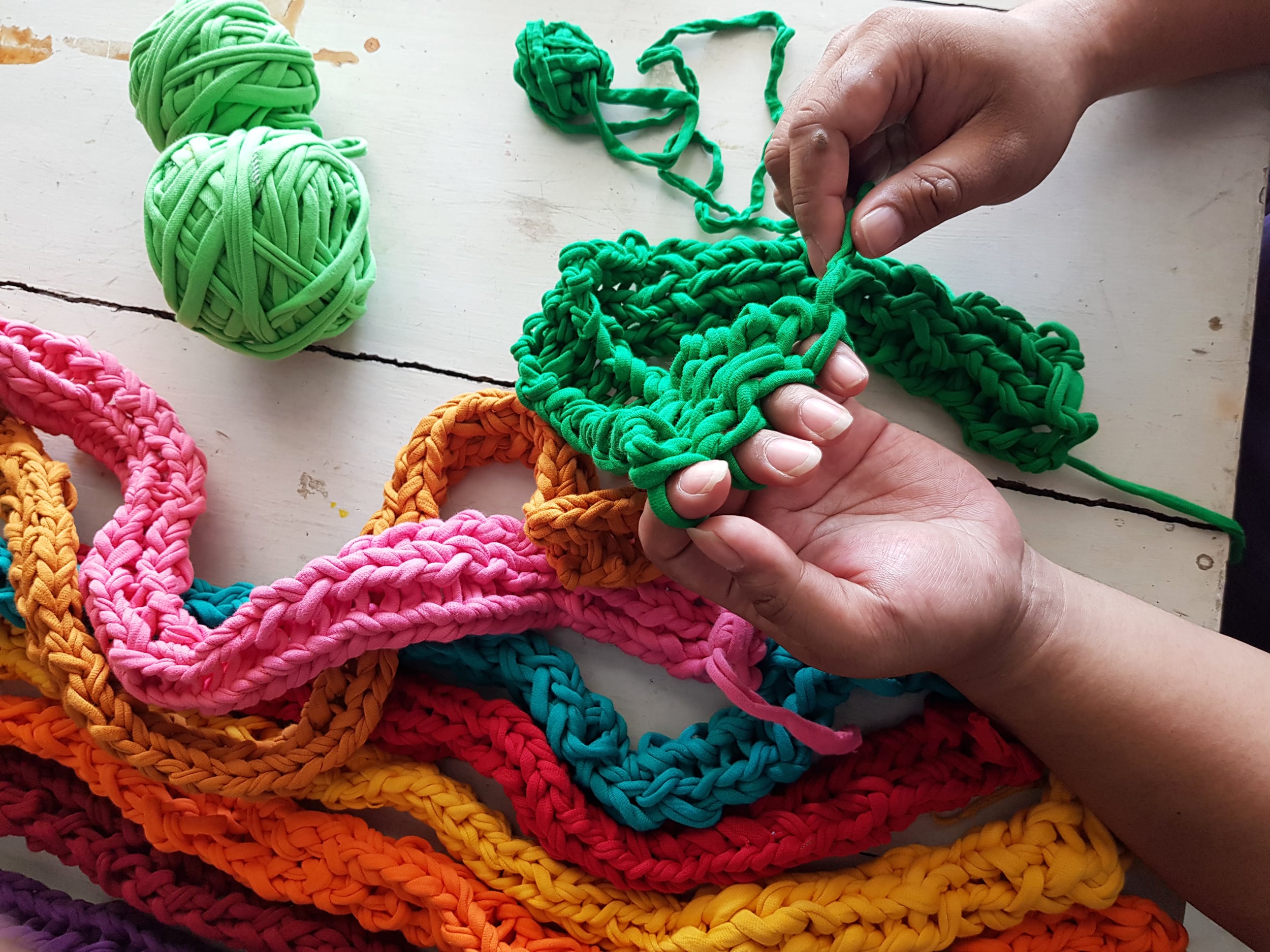
Mulyana during the production.
Image
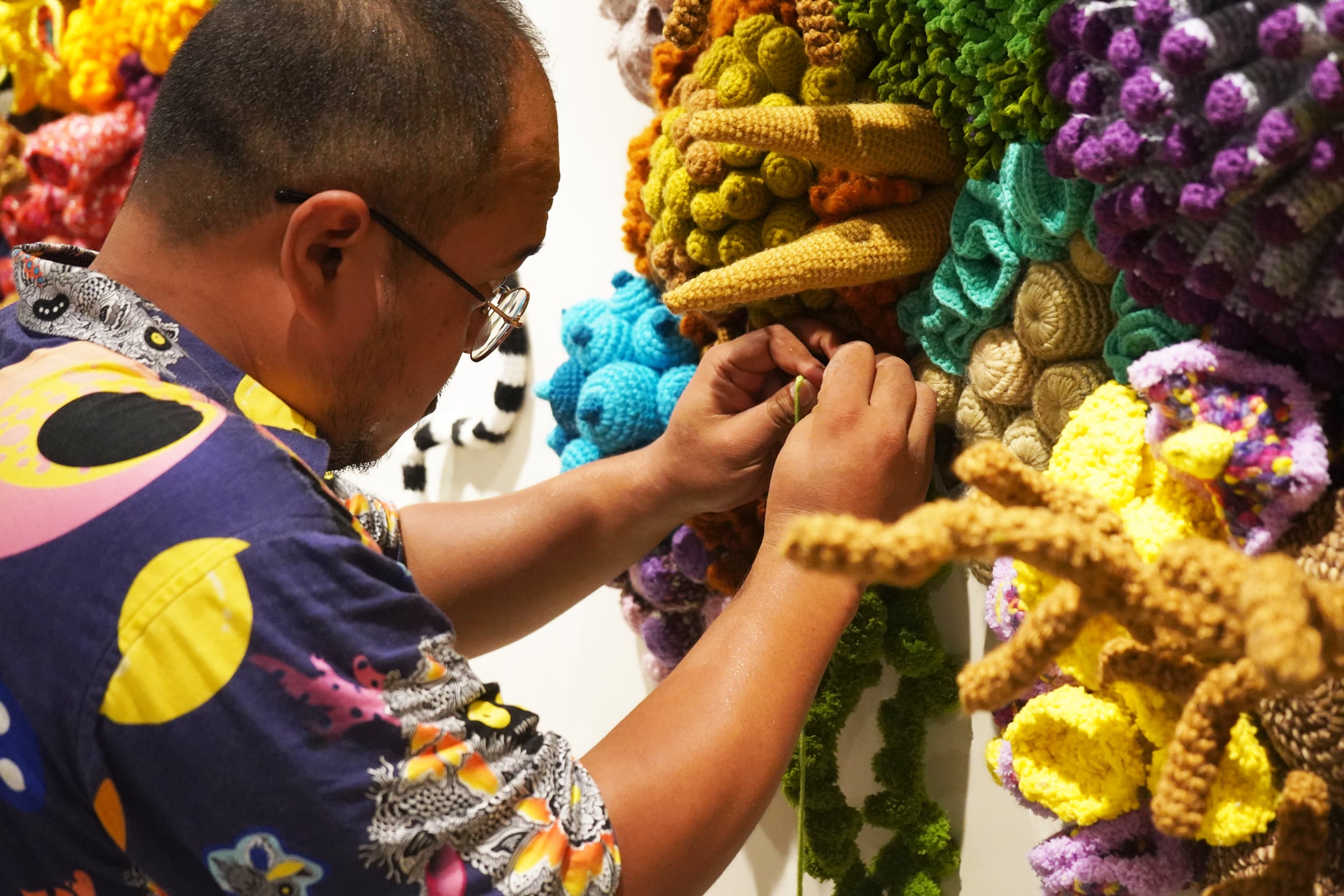
Mulyana during the production.

ZA:

At Art Jakarta Gardens, your work is interlinked with Bibit's theme, "Tentacles of Wealth.” Could you elaborate on this idea of merging art and finance to illustrate the global patterns and trends at this uncertain time?

M:

This collaboration with Bibit utilises the octopus’ metaphor as a symbol of adaptation amidst today’s global uncertainties. An octopus is a highly flexible and strategic creature, which aligns with the mindset required for investing. Through "Tentacles of Wealth," I want to invite visitors to see that managing the future whether through art or finance requires the ability to stay connected and adapt to constant change.

ZA:

Each of the coral colonies that you create, seem to have different personalities that are symbolic to a person’s various moods. Could you talk about these varieties and your thought process before you begin to create each individual artwork?

M:

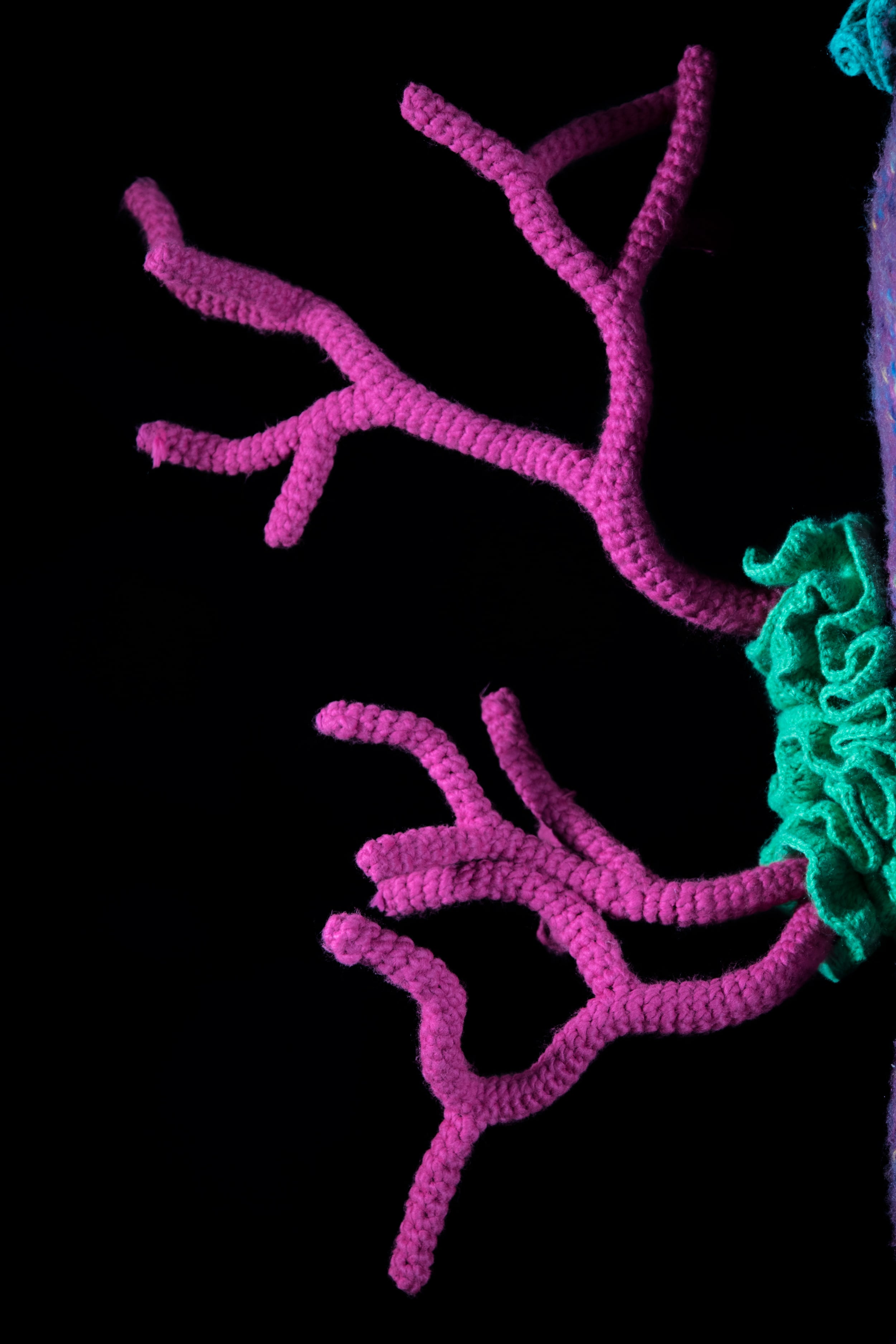
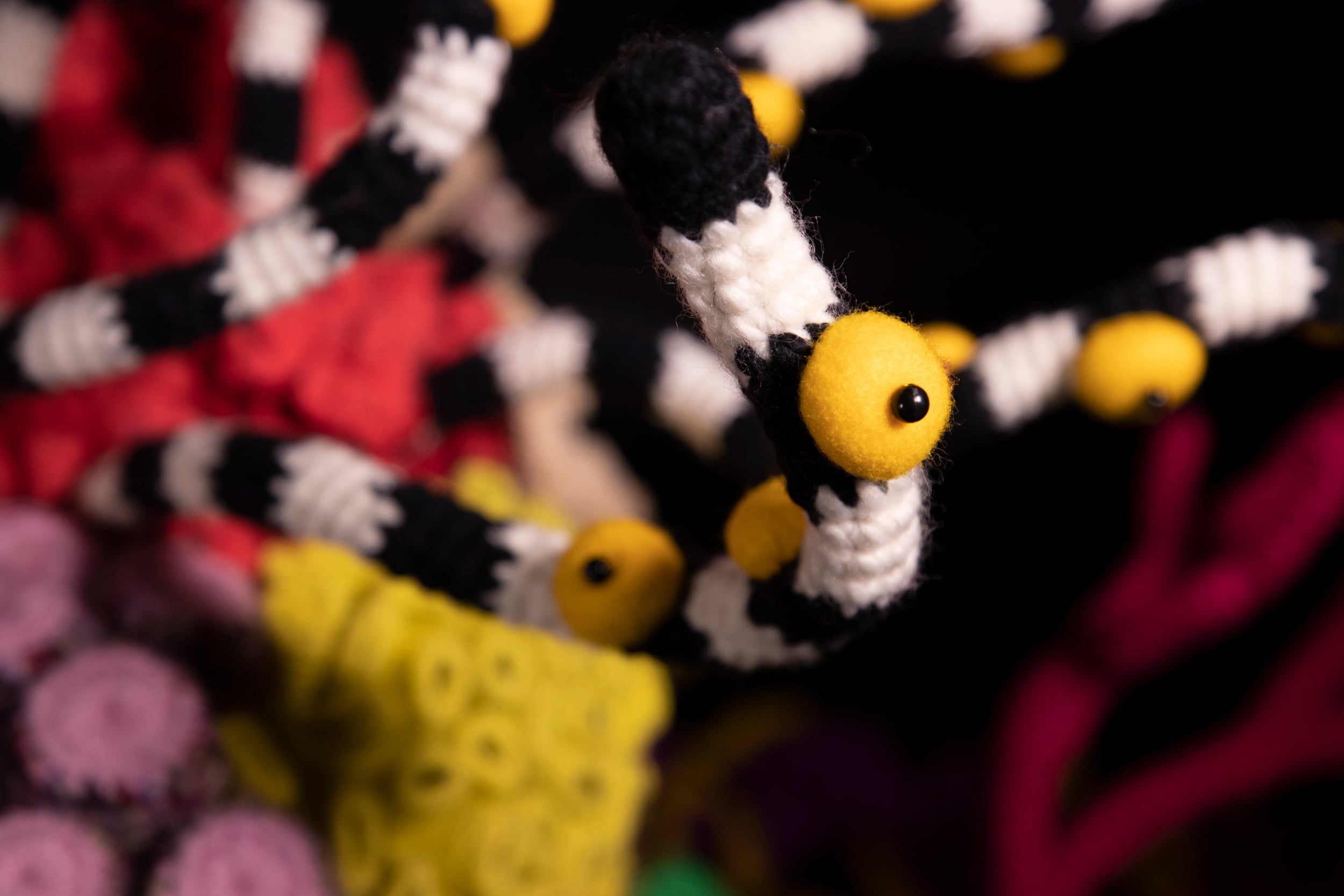
Every coral colony I build serves as both an ecological and spiritual foundation. The process combines "science" and creativity; I must calculate patterns precisely yet remain free in blending colours and composition. Characters like the “Tiny Mogus,” for instance, are created as micro-mirrors that reflect different human personalities, some are energetic, some mysterious, and others soft. The modular nature of my work allows these colonies to "grow" and adapt to the space, showing that identity is something fluid and constantly evolving.

ZA:

How essential is the materiality of the artwork to the reading and experiencing of your creations?

M:

It is essential. I choose crochet because the medium invites intimacy, it is handmade, soft, and familiar. When this technique which is often considered domestic or feminine, is scaled up into a monumental immersive installation, it creates a powerful contrast. This challenges the audience to reconsider the value of "simple" materials, such as unused factory yarn, which I transform into a dignified visual universe.

Mogus Character © Mulyana
Image
M 66 © Mulyana
Image
M 6 © Mulyana

ZA:

What do you hope that the viewers absorb from their interactions with your art? And does that impact your practice in any way?

M:

I hope the audience feels warmth and happiness, a sense of “art healing” as they walk amongst my creatures. Furthermore, I want to instil an awareness of the fragility of our ecosystems. This has significantly impacted my practice, as I now involve the community more deeply, such as the friends in Yogyakarta through "Konco Mogus." I have realized that a great work of art cannot be created alone; it requires multiple hands and collective solidarity.

ZA:

Lastly, as an artist, what are your thoughts on the importance and inclusions of art in public spaces in festivals such as Art Jakarta Gardens?

M:

For me, art should not be elitist, it should be a space for sharing and building togetherness. Outdoor festivals like Art Jakarta Gardens allow for a more fluid interactions between the artwork, the open space, and the visitors. Here, art functions as a bridge that brings the artist closer to society, creating moments of collective reflection amidst the hustle and bustle of the city. Public spaces are the best venues to show that every knot of thread we make, can have a real social impact.

Visit Art Jakarta Gardens

5 — 10 May 2026

Hutan Kota by Plataran‎

Tickets available at www.artjakarta.com

A Handmade Sea - Mulyana