While the act of making art might be a solitary practice for most, it cannot be read, experienced, or displayed in isolation.
While the act of making art might be a solitary practice for most, it cannot be read, experienced, or displayed in isolation.
While the act of making art might be a solitary practice for most, it cannot be read, experienced, or displayed in isolation.
Experimenter Curators' Hub 2025
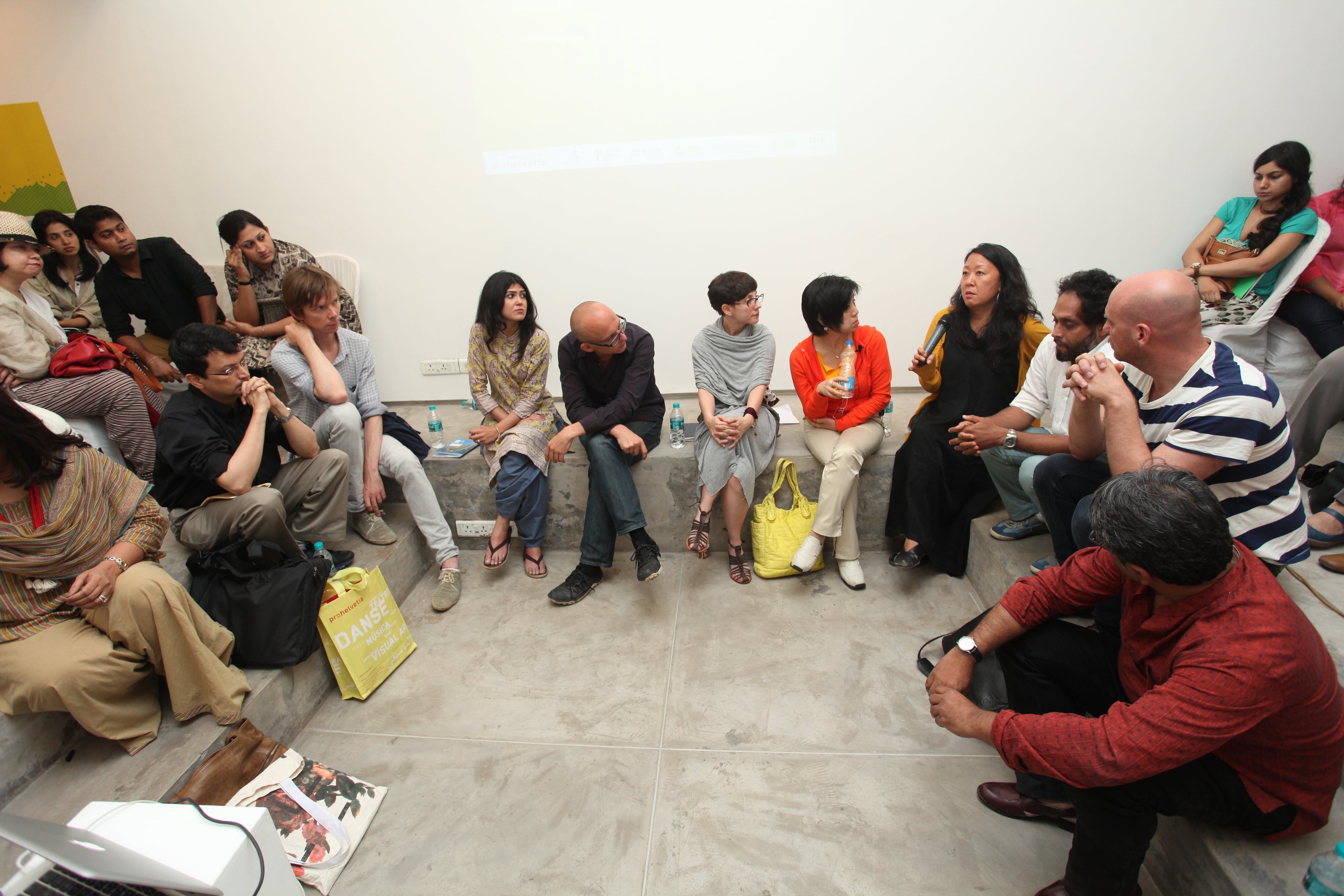
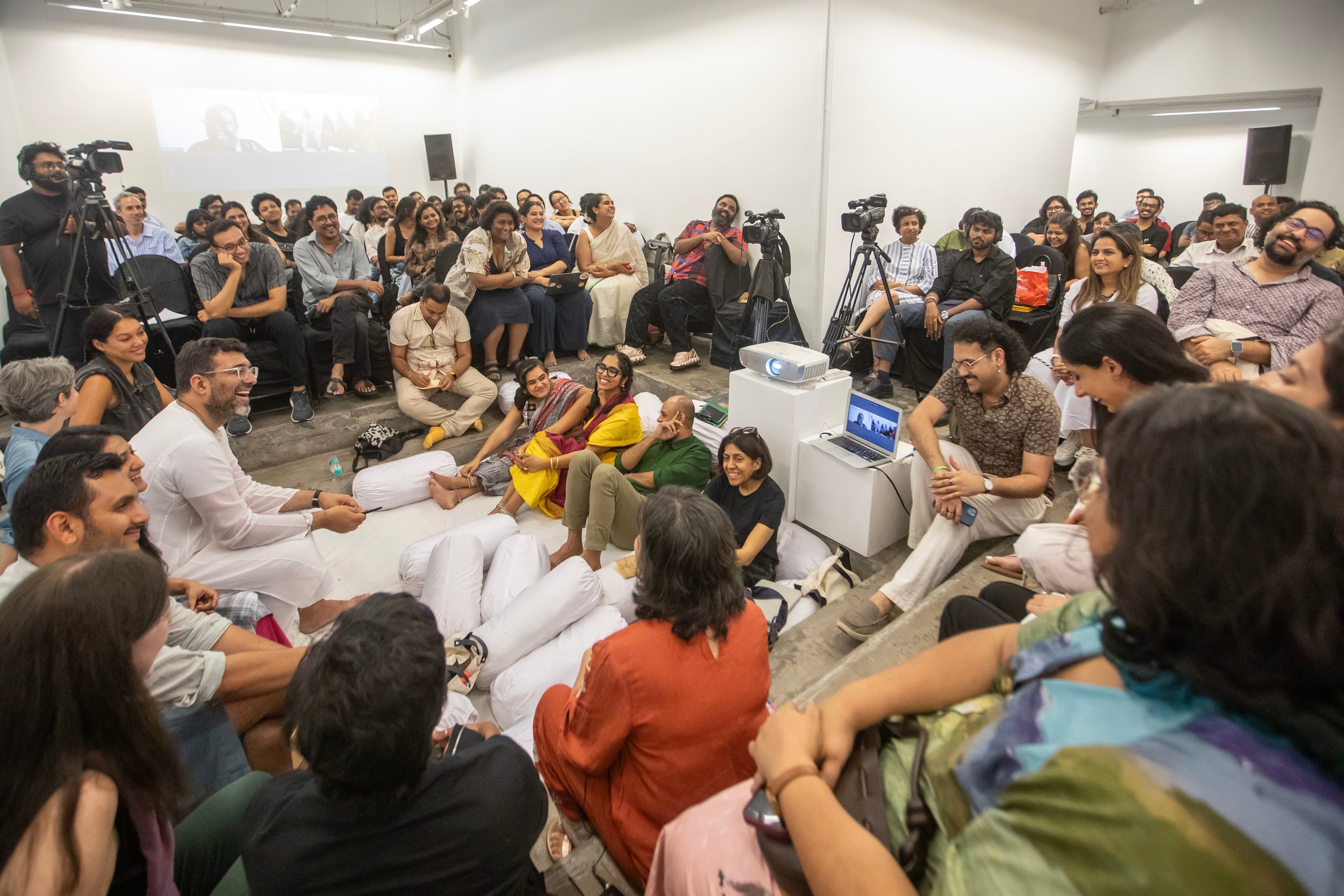
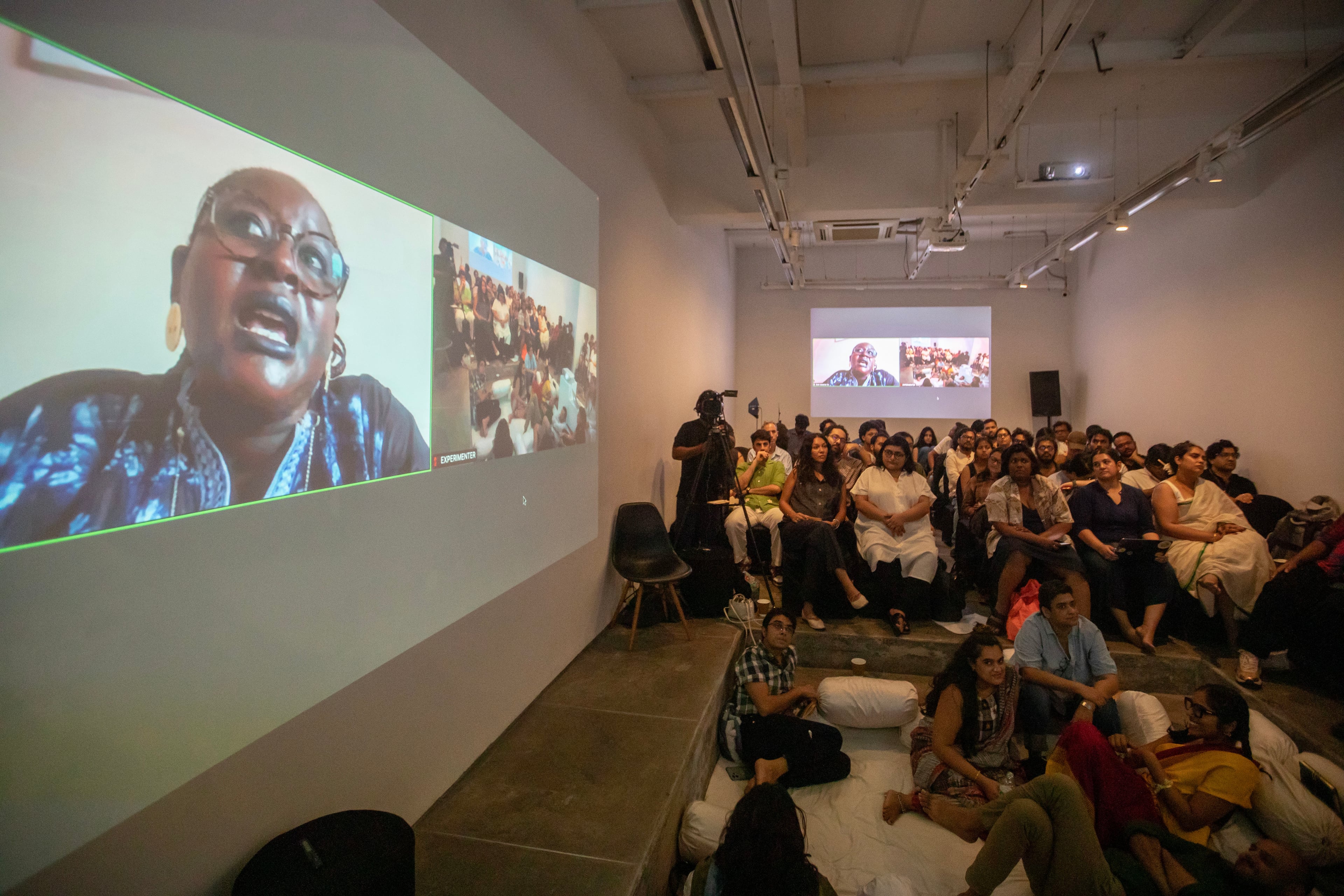
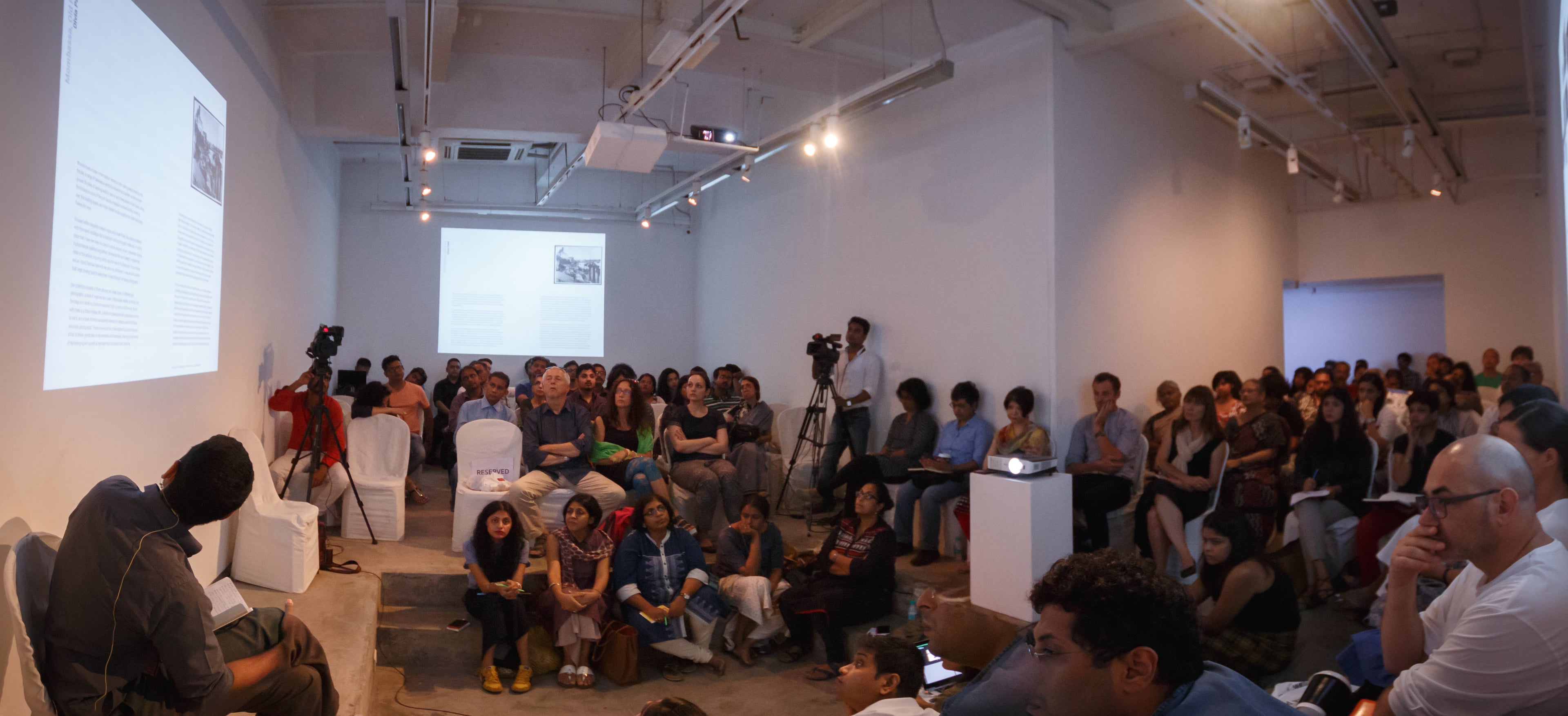
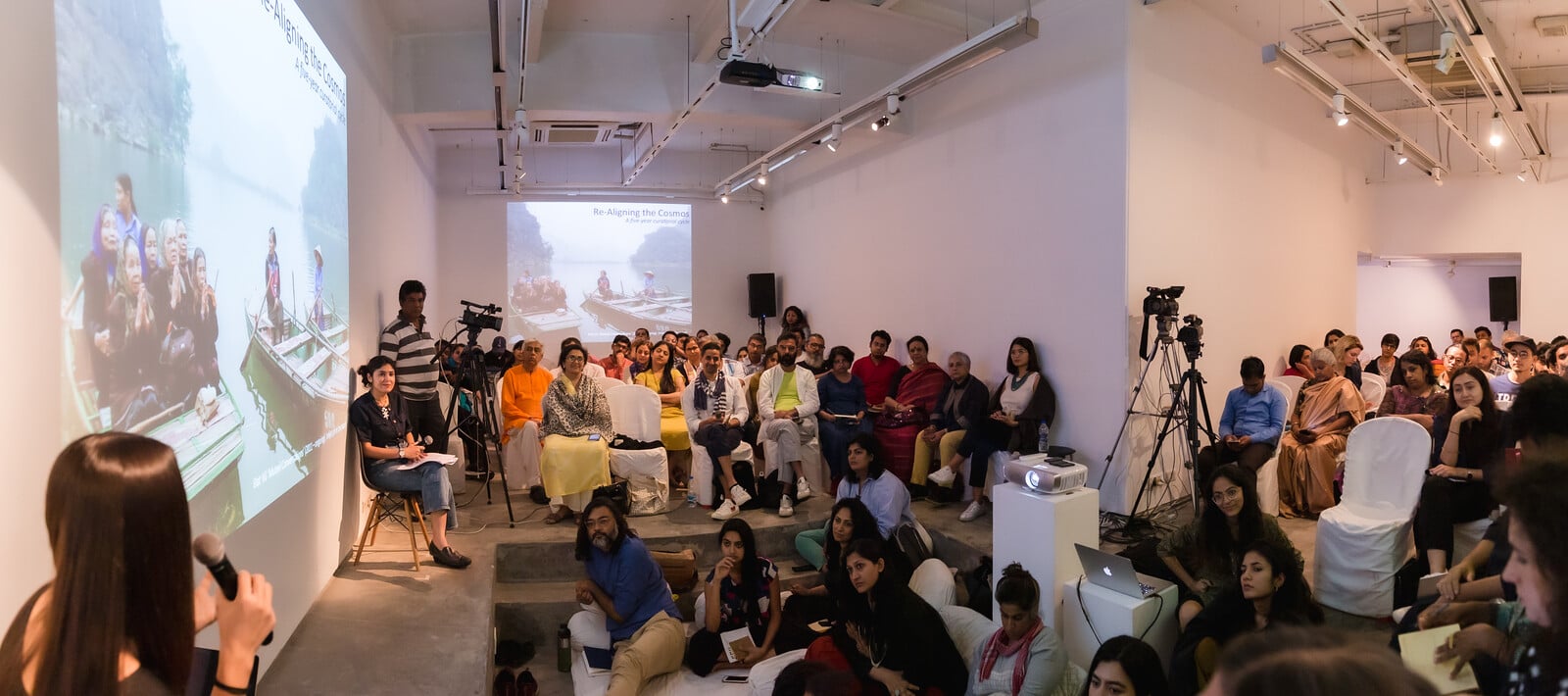
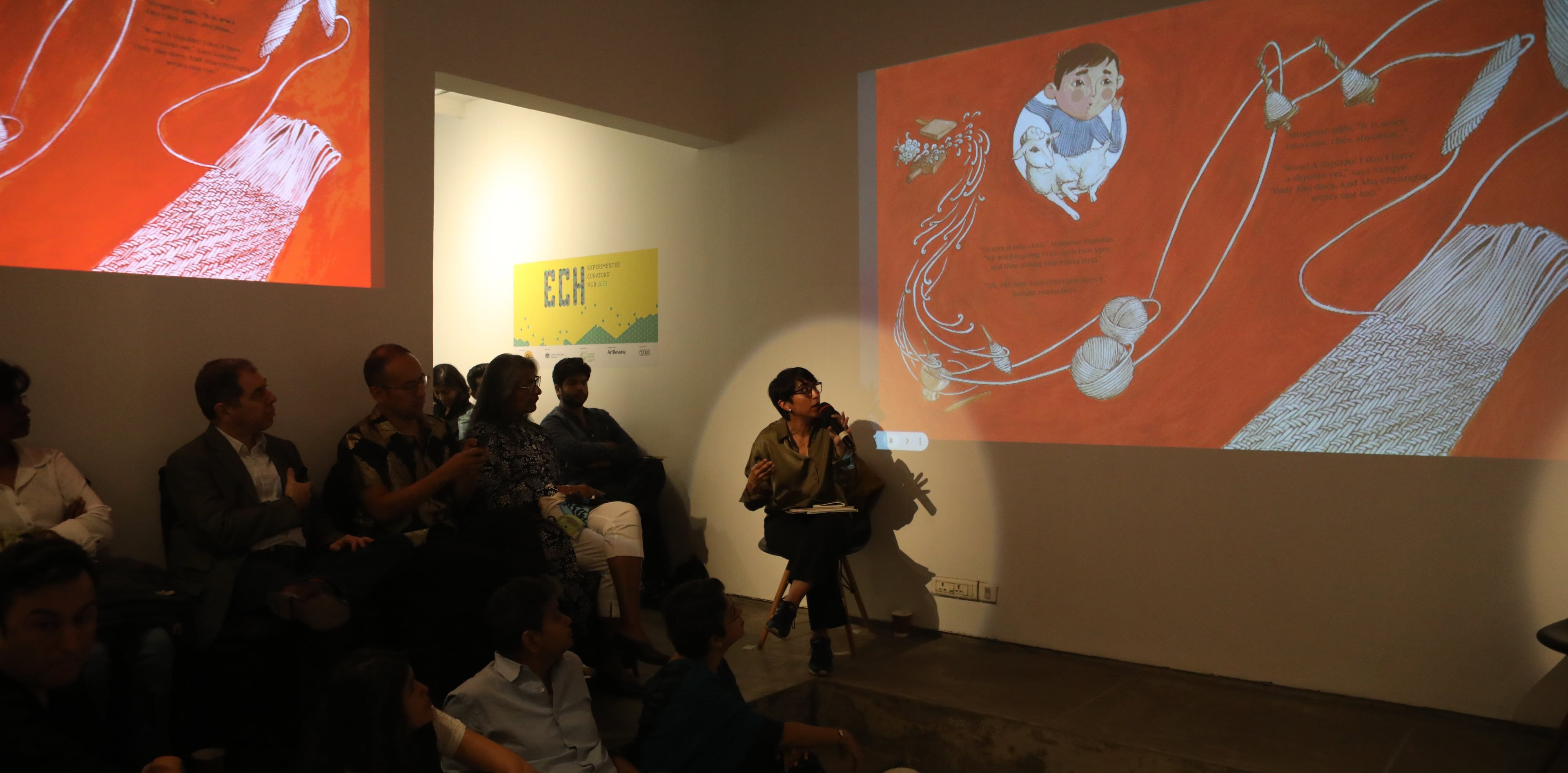
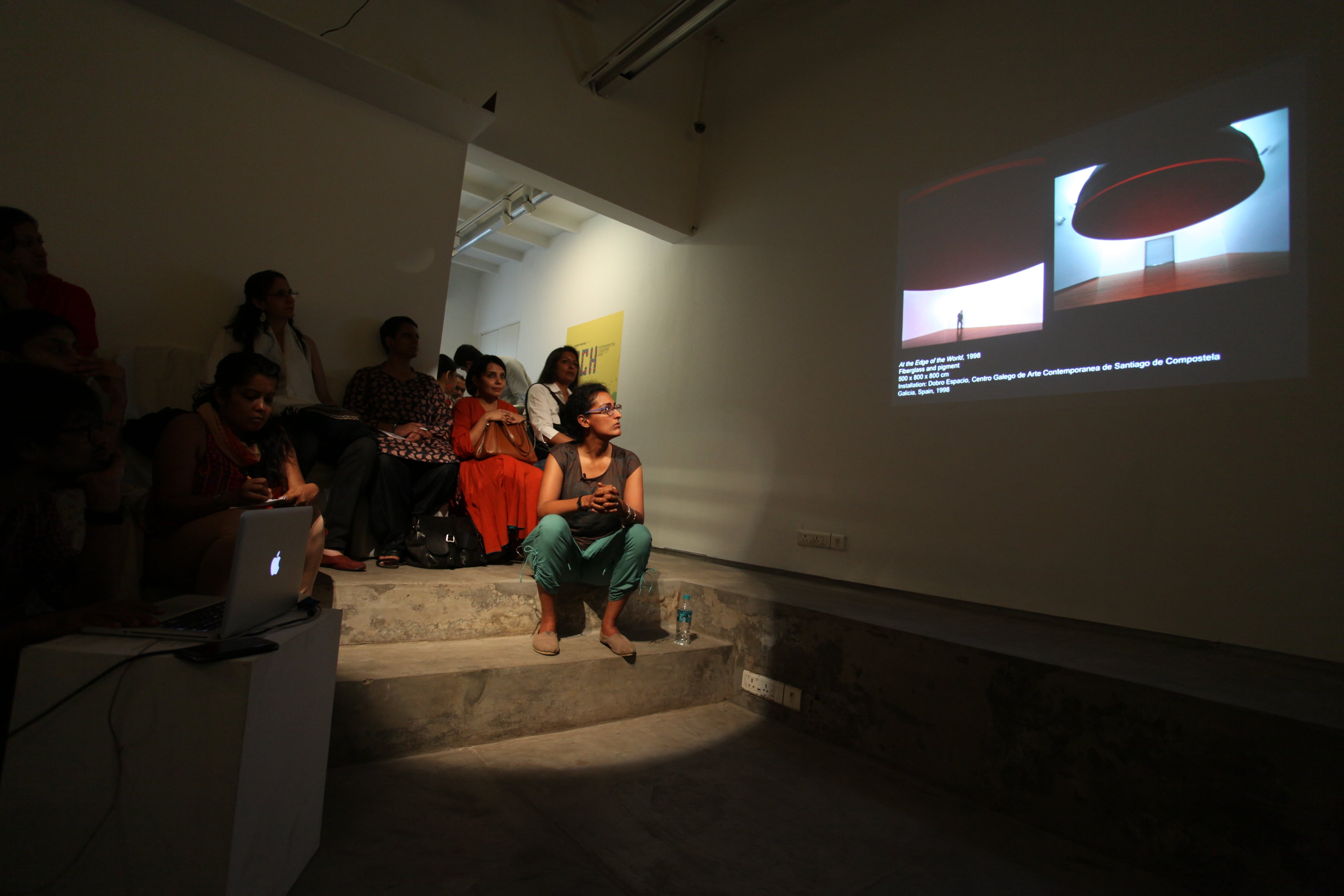
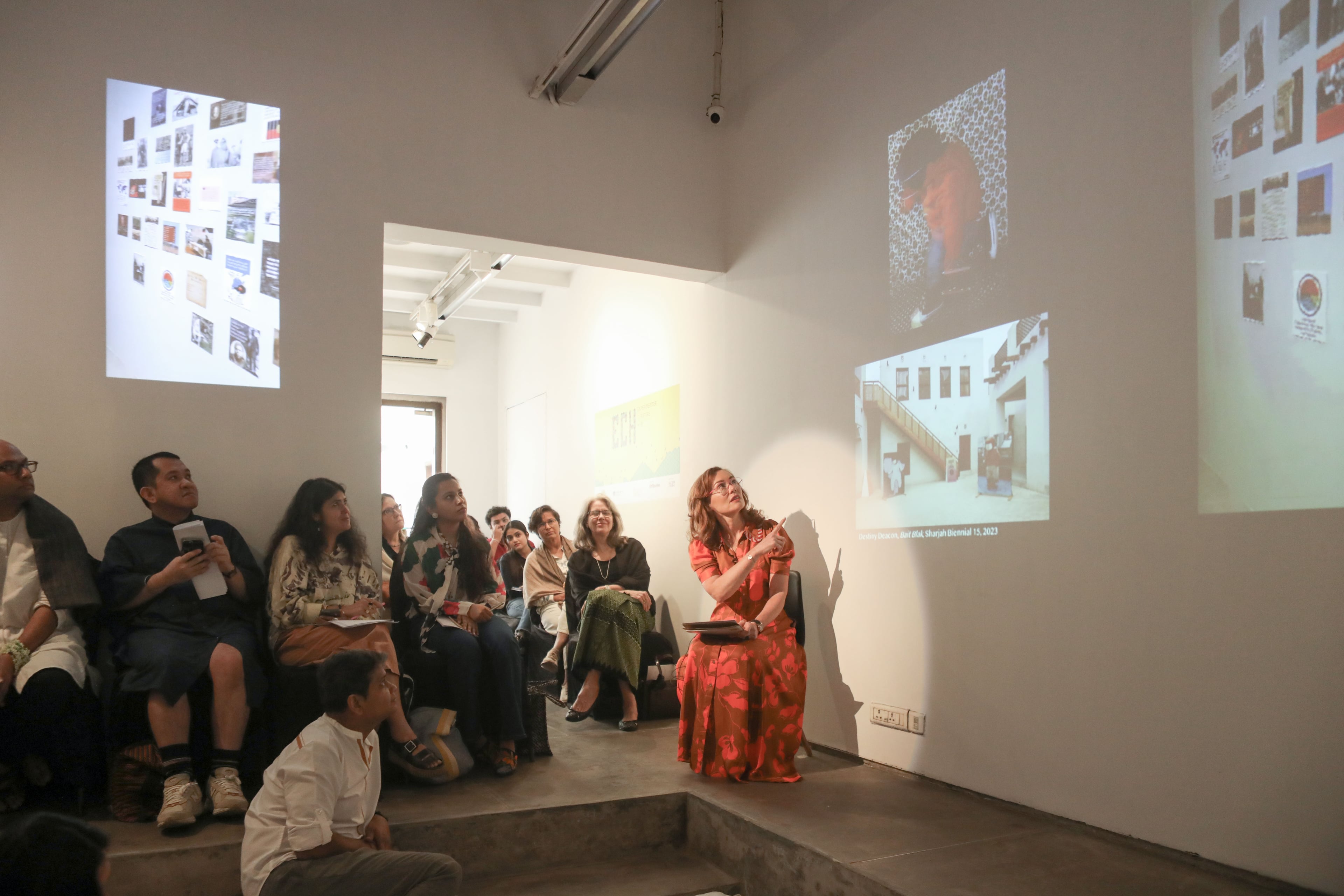
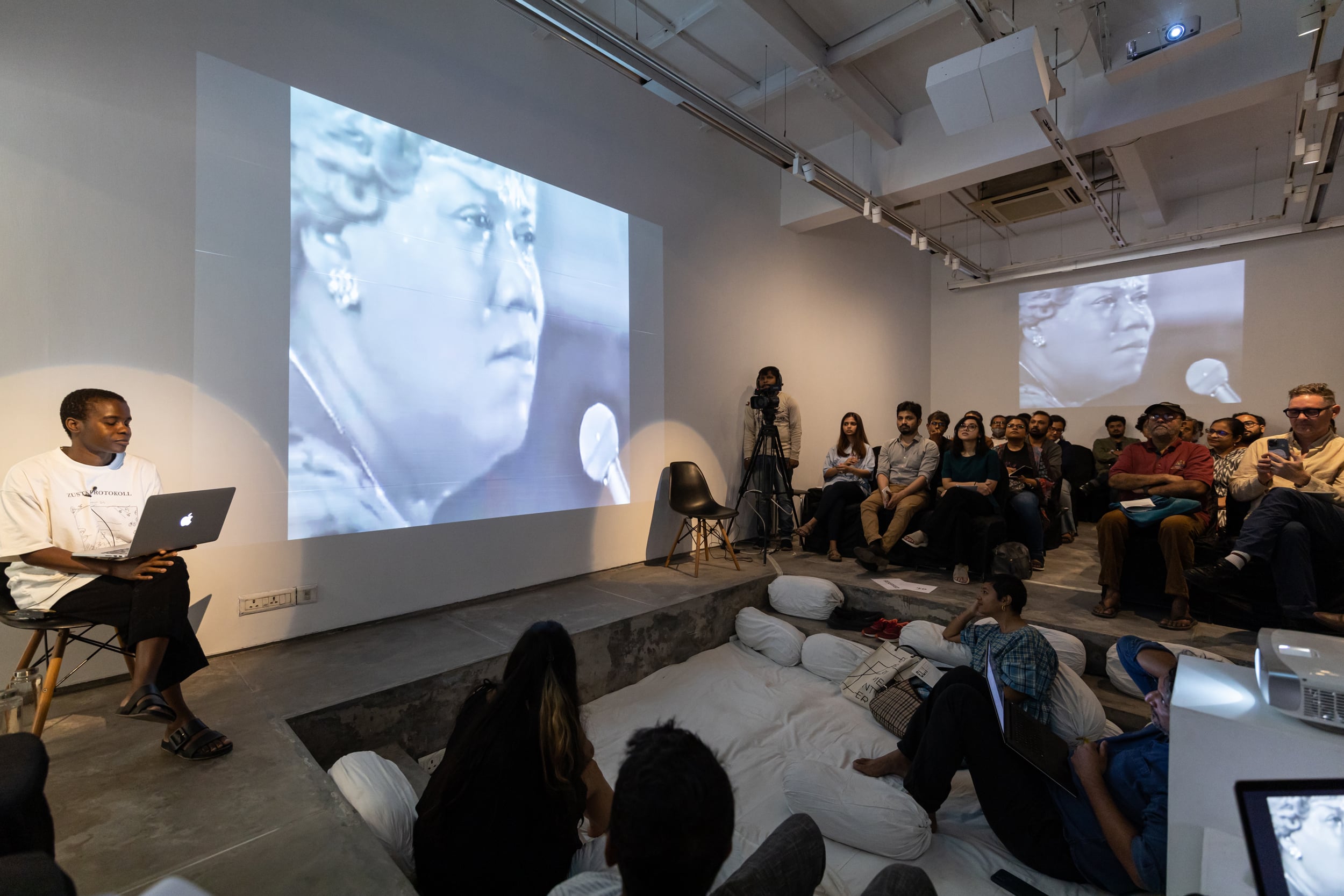
Larger knowledge about the world, geopolitics, personal narratives, and often trends, dictate conversations and the creation of art. It’s therefore essential to encourage dialogues across geographies, institutions, museums, and gallery structures to ensure that we aren’t consuming or supporting narratives arriving from a monolithic source. It’s a thought that’s central to the Experimenter Curators’ Hub, founded by gallerists Prateek and Priyanka Raja in 2011, as an incubator for critical curation and unbound thought. In the run-up to their 15th edition of the Hub which will take place in Kolkata, India (July 17th-July 18th), Arttaca speakswith the gallerists tolearn more:
ZA: The Curator’s Hub is now in its 15th edition and has hosted more than a decade of dialogue and discourse about art and its diverse facets. When you first conceptualised the Hub, was there a gap that you were trying to fill in the Indian art ecosystem? Has there been a significant change over the years?
P&P: Since the time we had first conceptualised the Hub, it has remained anchored to what it started out to be, and we feel that the central aspect of the Hub will never change. Ideas of being a space for free thinking; a fearless platform for discussing and debating openly contrarian points of view respectfully and constructively; and embracing an openness that allows for mindfully reflecting on where we find ourselves and what our possible future may hold. These characteristics are core to the Hub, and at the time we started it, there was no space for such an exchange. There has been a significant change in the sense that things are more openly discussed now; there is an attention towards focused curatorial practice and thought, which in itself is a big step forward, much of whose genesis in India lies in the Hub. Having said that, we feel today it is an increasingly important platform, probably even more than before, as it foregrounds emergent voices and urgent issues, which are palpable just below the visible surface of our society and need an unbiased, free space for them to be discussed. The Hub has always been such a place, and in the current moment, we feel an urgent need to hold this space with care as we continue to pursue that space of fearless and unbound thinking.
ZA: Today, the role of a curator is weighted in a way that they shape the kind of work that is considered important, and essential to the personal as well as political landscape. Identity plays such an important role in museums, galleries, and institutions supporting the arts. What do you think brought about this change over the years, and do you see it evolving into something else over time?
P&P: Over the last decade, we feel curatorial and academic discussions from the Global South or the global majority have found voice and relevance. Naturally, identity has been questioned, revaluated, and reemphasized in museums and institutions. As a result of open discussions on identities and curatorship that respect these identities, progressive Western museums and institutions have recalibrated their lens and are in the process of bringing about an overhauling of their collections, their width of knowledge, and their scope of practice. This is also why spaces like the Experimenter Curators’ Hub play such a significant role. Over the last 15 years, we have seen a tremendous shift in the discussion during the Hub and also seen over time how institutions have adapted. There is, of course, a lot more to do, and we are a long way from being understood entirely. Having said that, a syncretic understanding of art history within the wider arc of global history has increasingly been kept in mind while exhibitions are made and texts are written.
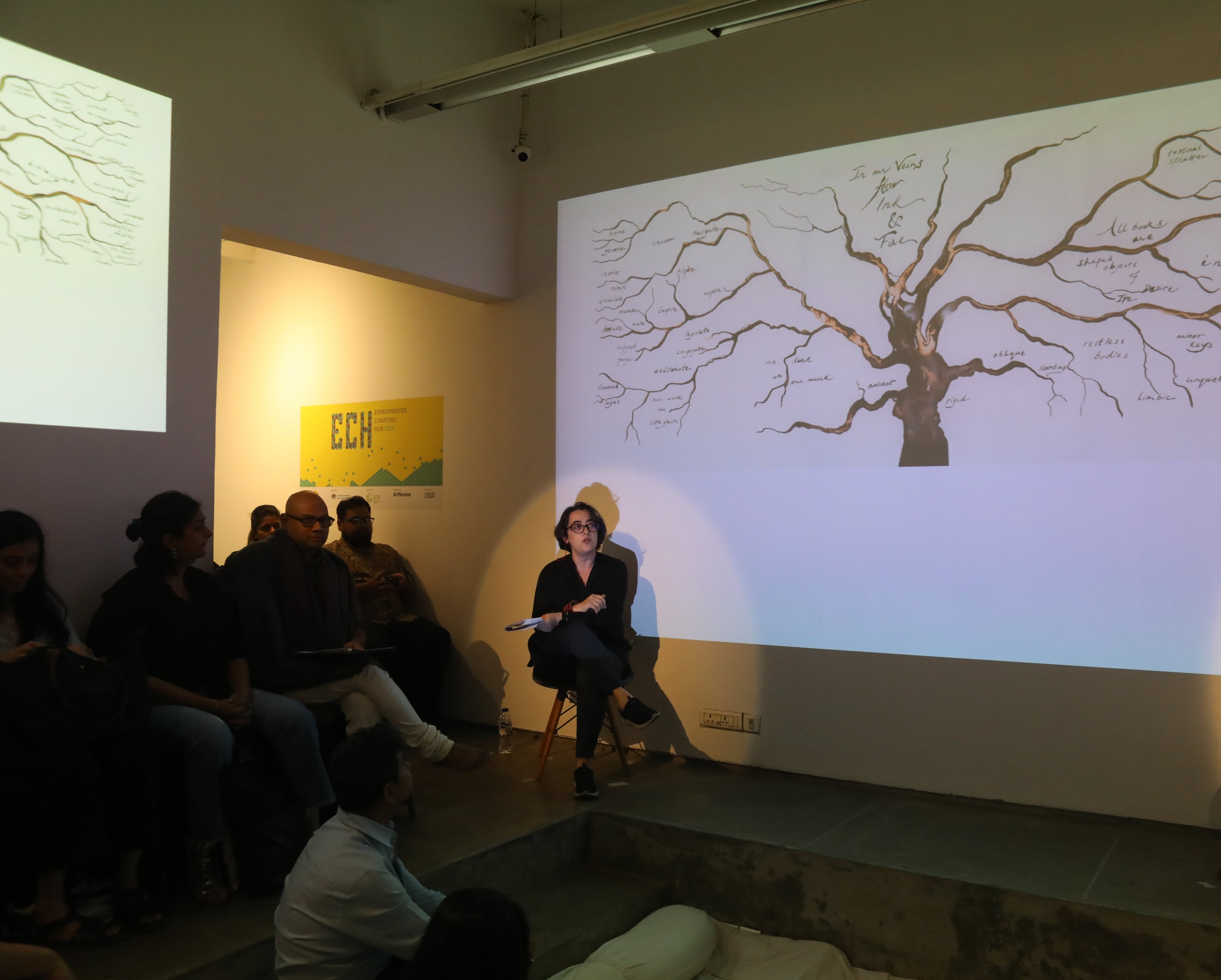
Shubigi Raoat, Experimenter Curators' Hub 2023
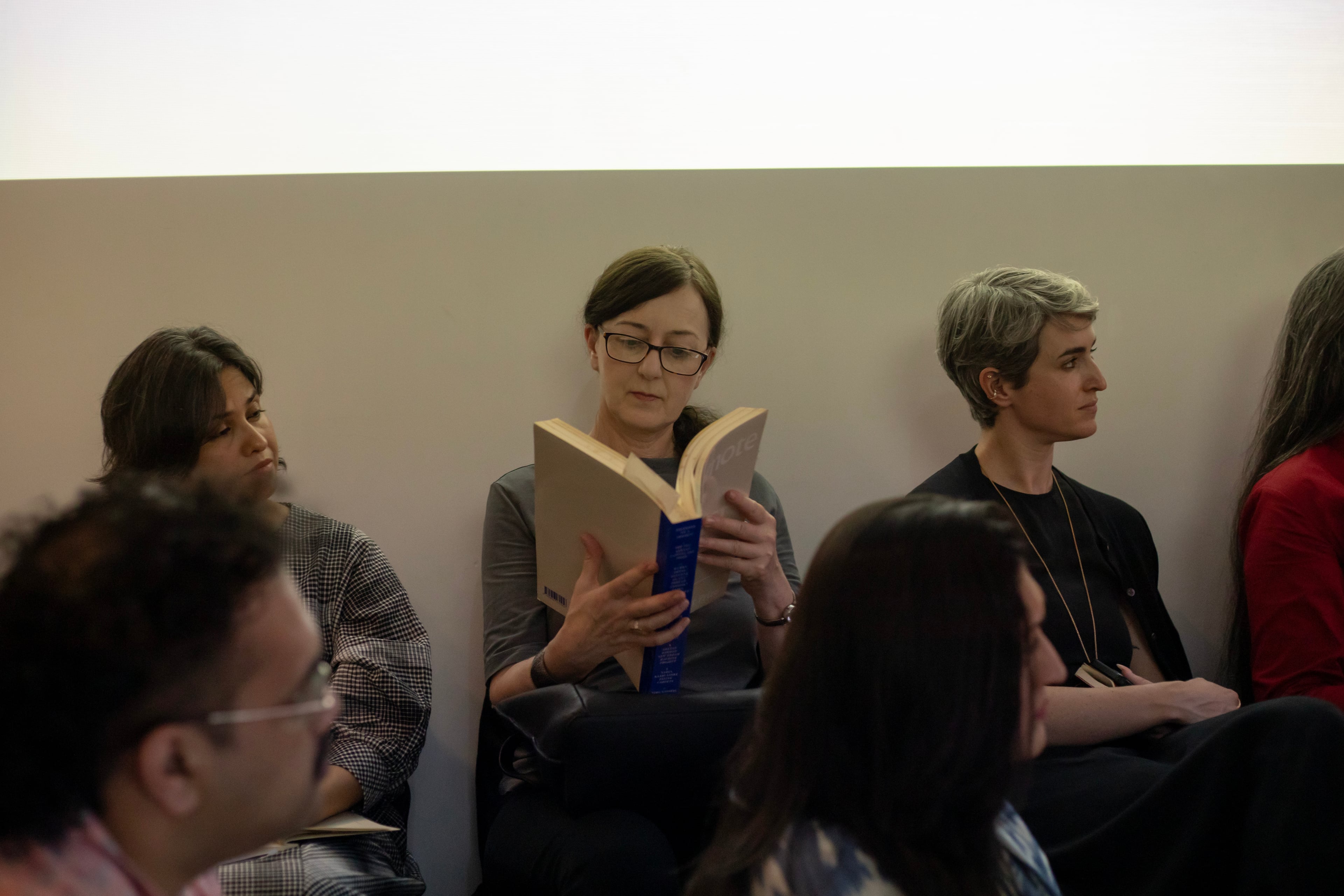
Experimenter Curators’ Hub 2025 | From L-R: Akansha Rastogi, Anne Barlow & Justine Ludwig
ZA: Many museums and biennales today speak about inclusion and decolonisation. Do you think gatherings like the Hub have genuinely shifted institutional thinking, or have they simply changed the language institutions use?
P&P: We believe that it is at open-form, unstructured, productive spaces of dialogue such as the Hub, where possible new futures can be imagined. We feel new alliances and new ways of thinking have indeed been built from here. It is very difficult to pinpoint such actions to activations. The Hub is one minuscule but important way of exchanging ideas and reimagining possibilities. But we genuinely feel that the conversation on the global majority has shifted, and not just in the arts; it has shifted in literature, in history, in social studies, in film studies, amongst others, and it's not merely a simple change in language. In the arts, for example, we are seeing a major inclusion of artists from the Global South in institutional narratives. Retrospective exhibitions and survey shows are taking place all over the world—something that wasn’t the case even five years ago. Most definitely, it has to do with changing economic narratives as well, but specifically the conversation has moved beyond simple nomenclature.
ZA: As a gallery, it is of course essential to invest in your artists and their practice. However, you have consistently invested in a diversity of curators as well. Why is this fundamental?
P&P: We are deeply interested in learning, and the reason we started the Hub is because we personally wanted to learn more from the curators we were meeting all over the world. In the pursuit of trying to hear and learn from a wide range of curators, writers, and thinkers who are questioning the forms of exhibition-making, we were able to invite to Kolkata an incredibly diverse range of individuals. We understand that we are mutually codependent, and to build a sustainable long-term program, it is fundamentally important to support exchange of knowledge, which is one of the core objectives of the Hub.
ZA: This year’s participating curators are based across Asia, Europe, and the UK. Since that in itself is an act of curation, could you speak about the ideas behind bringing together this intriguing group of people together?
P&P: The process of bringing together the participating curators is one of the most carefully considered aspects of the Hub, and it unfolds in close collaboration with its convenor. The convenor is our co-conspirator in the truest sense, engaging with the Hub at a fundamental level, tracing the underlying connections across presentations, and shaping the Hub's direction over time. We have been incredibly fortunate to work with Natasha Ginwala, who held this role for ten years, and now with Rattanamol Singh Johal, who has taken it forward since last year.
While each edition is guided by a broader underlying idea, it is never articulated as a theme, since the Hub is not conceived as a themed set of presentations but as a sustained engagement with the practices of some of the most compelling curatorial minds working today. The selection process is therefore highly iterative, bringing together individuals whose roles, visions, and ways of thinking resonate with one another, even if the contexts they work within—their institutions, nationalities, geographies, organisational structures, and sites of engagement—are vastly different. Yet beneath these differences lie shared formal and conceptual concerns, and it's this confluence that the Hub is interested in addressing.
This year’s nine participating curators—Arnika Ahldag, Gabi Ngcobo, Gridthiya Gaweewong, Nikhil Chopra, Sabih Ahmed, Sepake Angiama, Shabbir Hussain Mustafa, Tarini Malik, and Zoe Butt—reflect this approach. Although their practices emerge from distinct institutional and geographical contexts, they are deeply connected through shared questions and commitments, creating a rich and generative dialogue across their differences.
ZA: The press statement talks about the necessary aspects of decentralising art capitals. How can this be considered in practice, and why is it especially relevant today?
P&P: Decentralisation is not just important; it is the only way one is able to make a fuller picture—even of our own art ecosystem. Ours is an equally developing space of post-colonial thinking where older, traditional centres of influence have given way to multiple concentric circles of impact in various sizes, and often these circles overlap. This kaleidoscopic world where ideas, influences, and histories collide is where the contemporary art world finds its complete meaning today. Curators understand this very well, and in their work, they often cut across borders of identity, of nation, of medium and of form. They are able to express complex ideas through these devices, and the exhibitions and the texts written around them get slightly complicated, but it is only through such complications that the work can be relevant today.
ZA: Considering the curators who've participated over the years, have you seen collaborations, exhibitions or institutional shifts emerge because of conversations that began at the Hub?
P&P: Yes, most definitely. There have been several occasions when friendships formed at the hub have resulted in collaborative work elsewhere in the world; curators have discovered artists on their travels here and have made long-term connections. It is impossible to directly point at shifts that may have taken place in institutions because of what began at the Hub, but because participating curators are leaders in their field of work, they surely implement certain ideas in their institutions and areas of operation.
ZA: If there is one conversation point that has consistently been brought up in the Hub but still hasn’t changed in the art world over the years, what would it be?
P&P: There are several such conversations. Every year, for example, we speak of the importance of more such spaces as the Hub for free thinking and unbound, fearless dialogue. What makes the Hub unique is the constructive argumentation and conversation and the energetic audience participation. In an increasingly polarised world, where such spaces are quickly shrinking, there is an urgent need for new spaces that are outside the loci of the expected centres of influence. Then, there are hierarchical differences that exist in the art world that need to change—gender inequality, which is much better than before but still has a long way to go; conditions of infrastructure and access to resources in non-Western locations need to develop further; and rehauling art education systems to encourage more public participation in contemporary art are critical. The conversations can continue over these issues, and hopefully through spaces such as the Hub, new possibilities will emerge.