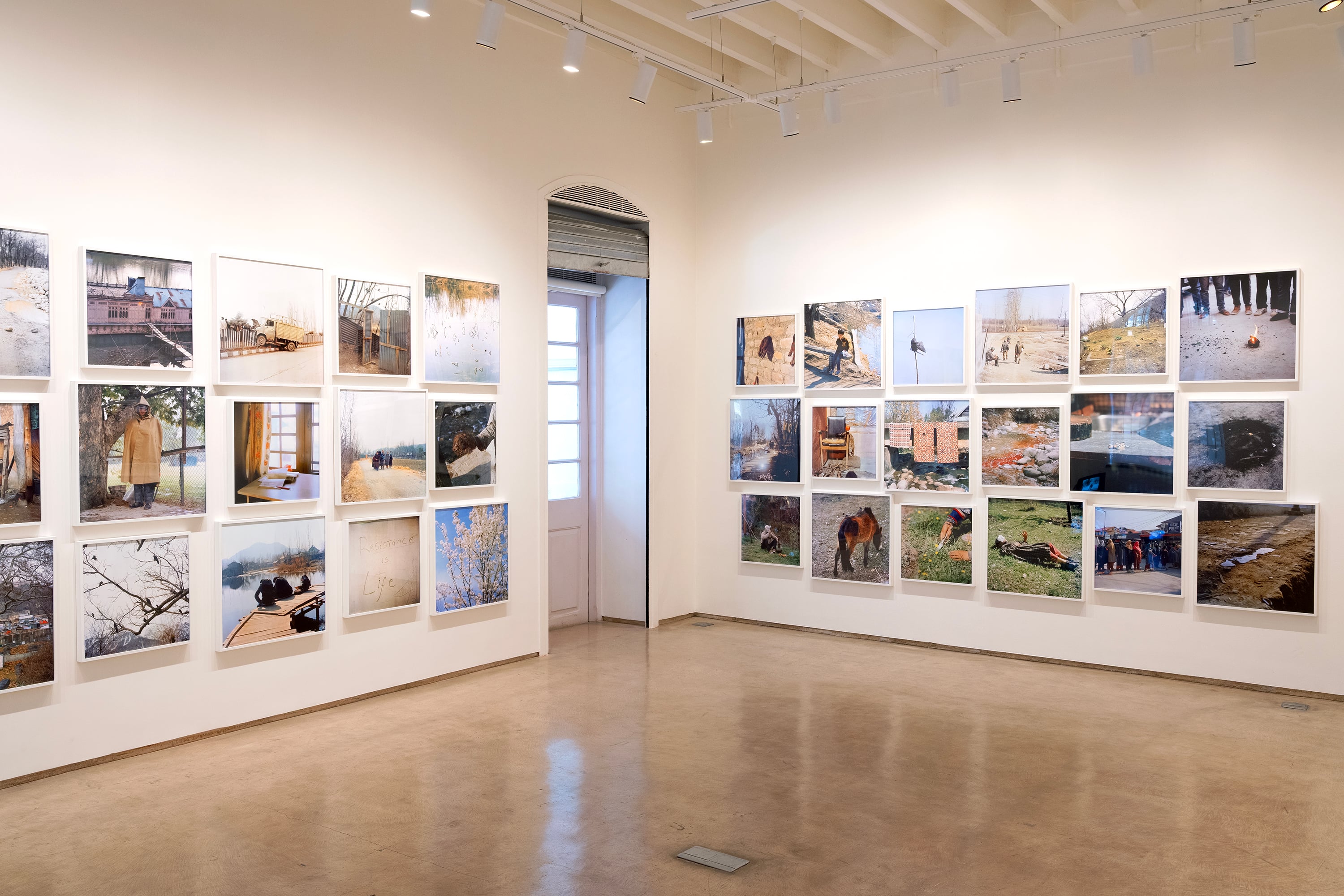
Sweat glistens on skin on a blazing afternoon in Mumbai, India, where we’re experiencing an incredibly hot summer. The temperature is palpable, as news channels validate our tired eyes and languid limbs, telling us that ninety-five out of one hundred of the world’s hottest cities are currently in India. Inside a gallery in a building fittingly named ‘Sunny House,’ snow melts in large square frames, silently revealing a lot more than the weather.
Sweat glistens on skin on a blazing afternoon in Mumbai, India, where we’re experiencing an incredibly hot summer. The temperature is palpable, as news channels validate our tired eyes and languid limbs, telling us that ninety-five out of one hundred of the world’s hottest cities are currently in India. Inside a gallery in a building fittingly named ‘Sunny House,’ snow melts in large square frames, silently revealing a lot more than the weather.
Sweat glistens on skin on a blazing afternoon in Mumbai, India. The temperature is palpable, as news channels validate our tired eyes and languid limbs, telling us that ninety-five out of one hundred of the world’s hottest cities are currently in India.
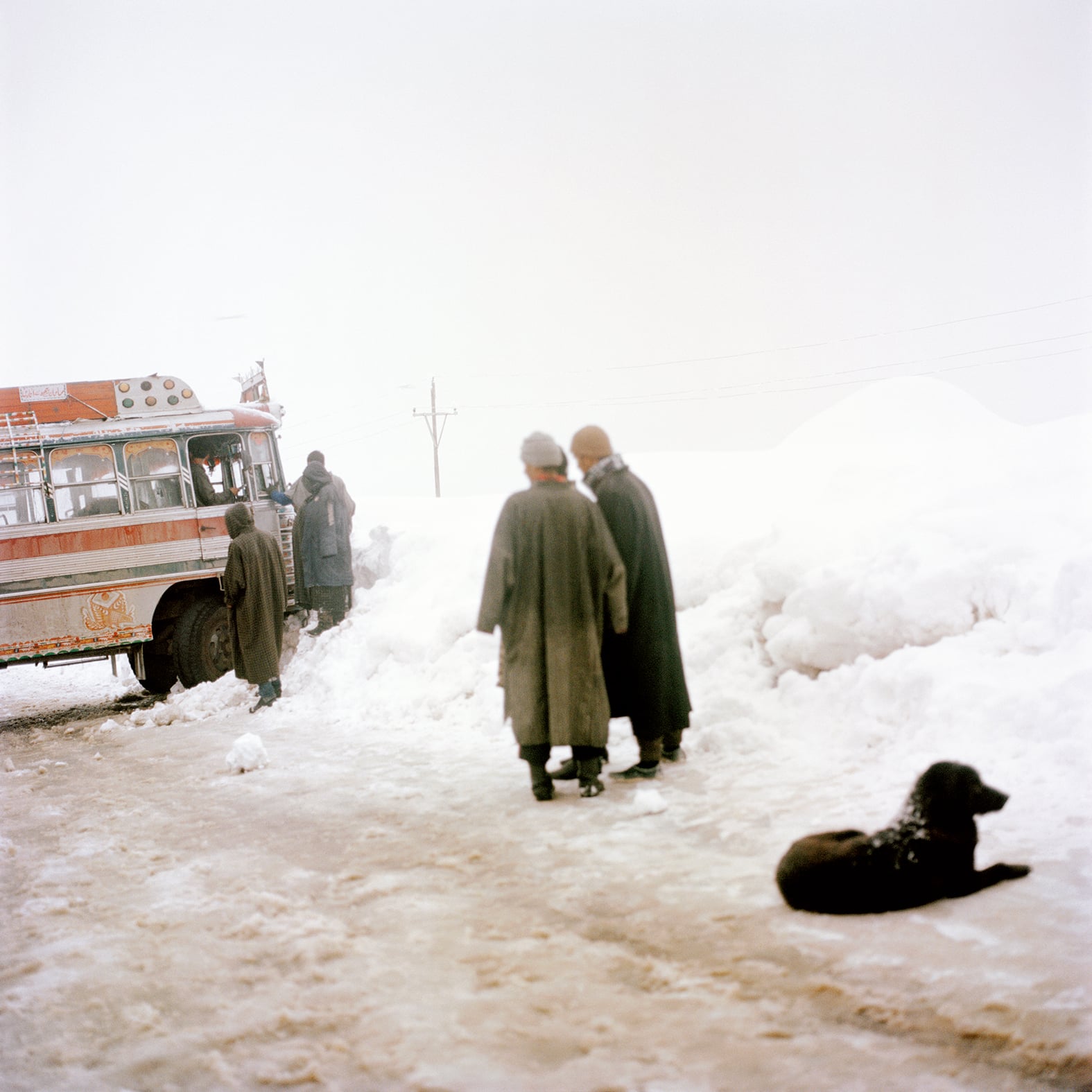
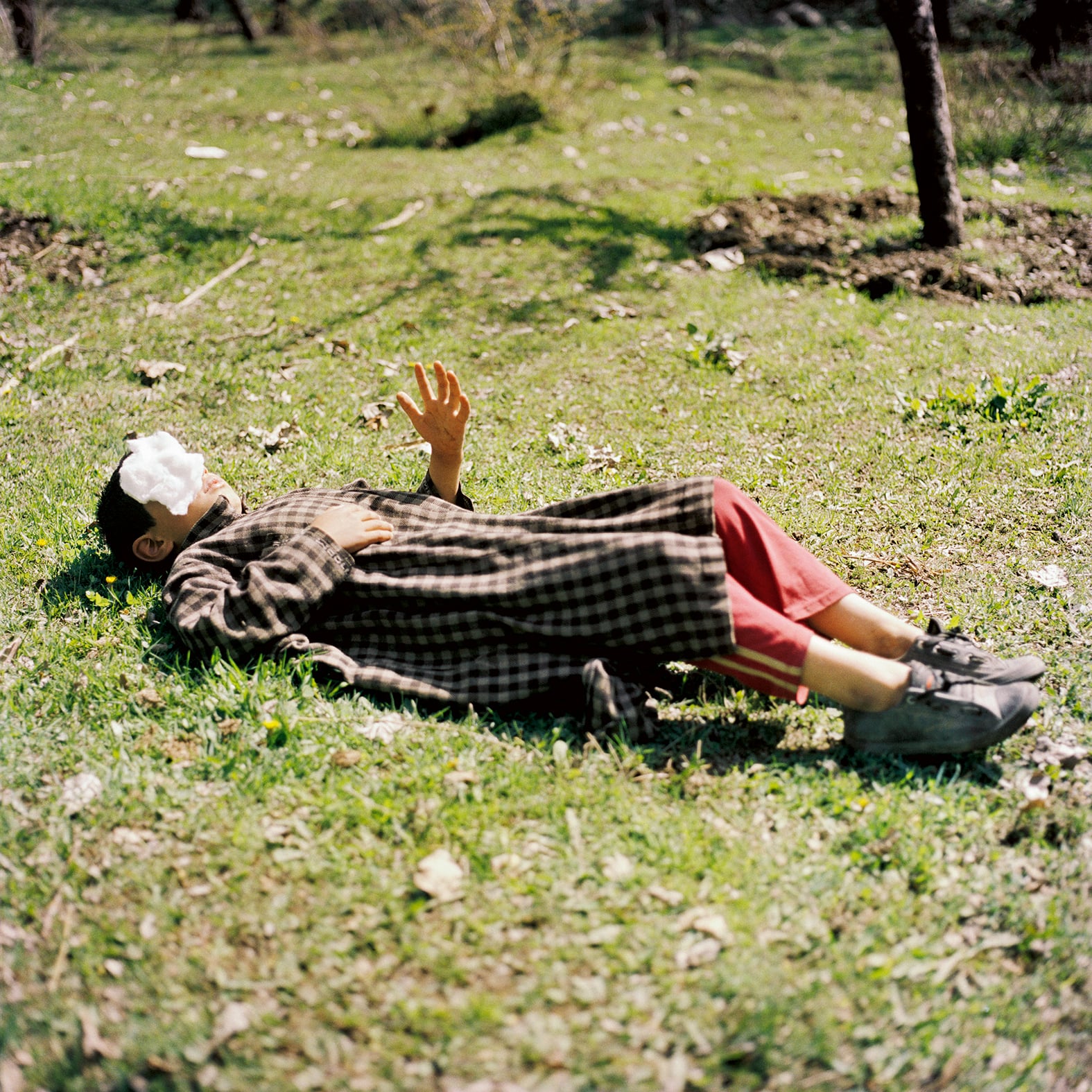
Snow, Sohrab Hura, 2015-2019. Courtesy of the artist and MACK.
Snow, Sohrab Hura, 2015-2019. Courtesy of the artist and MACK.
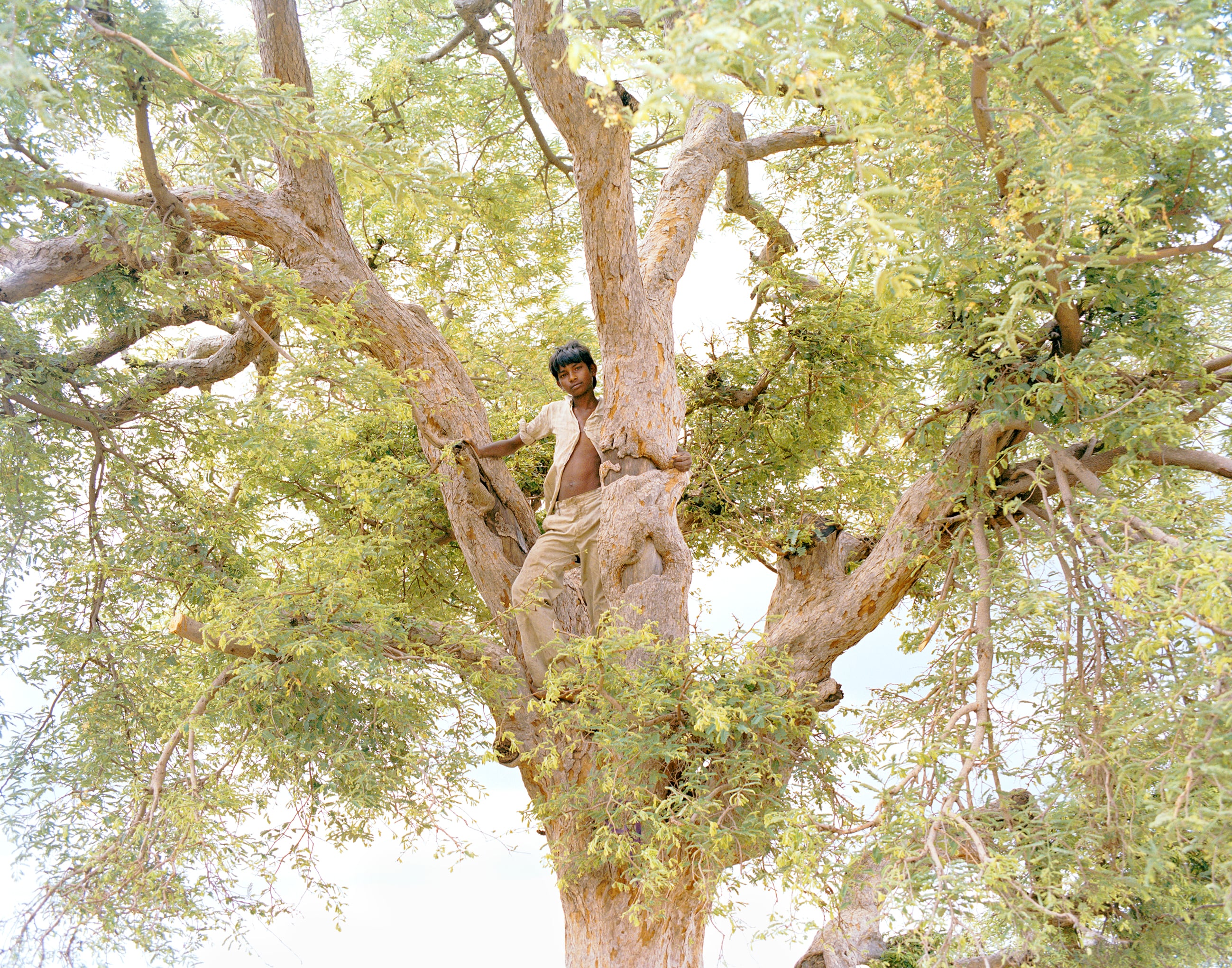
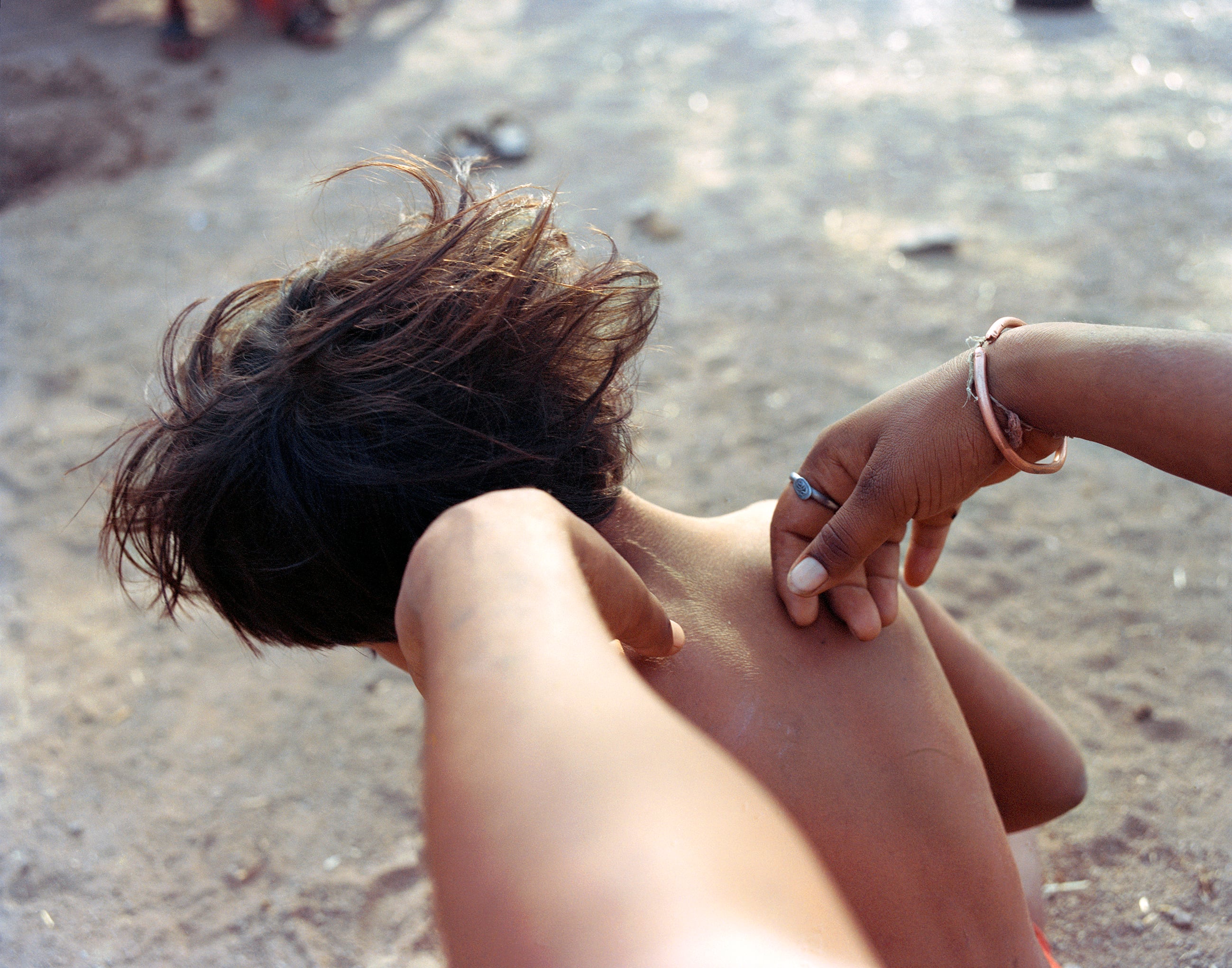
Razai’s (quilts) spill out of open windows, a seemingly warm bed is left unmade, the plug of the heated blanket hangs as a sign of the bitter cold; and a child holds onto the last semblance of snow on his face - balancing different kinds of winter. The images are part of photographer Sohrab Hura’s solo A Winter Summer that was earlier showcased at the Experimenter Outpost at Alipore Museum, Kolkata from November 2025 until February 2026. The starkness of the heat outdoors and the apparent presence of cold indoors is reflective of this exhibition at Experimenter, Colaba that showcases the transition of snow in Kashmir and the scorching summer in Barwani, Madhya Pradesh.
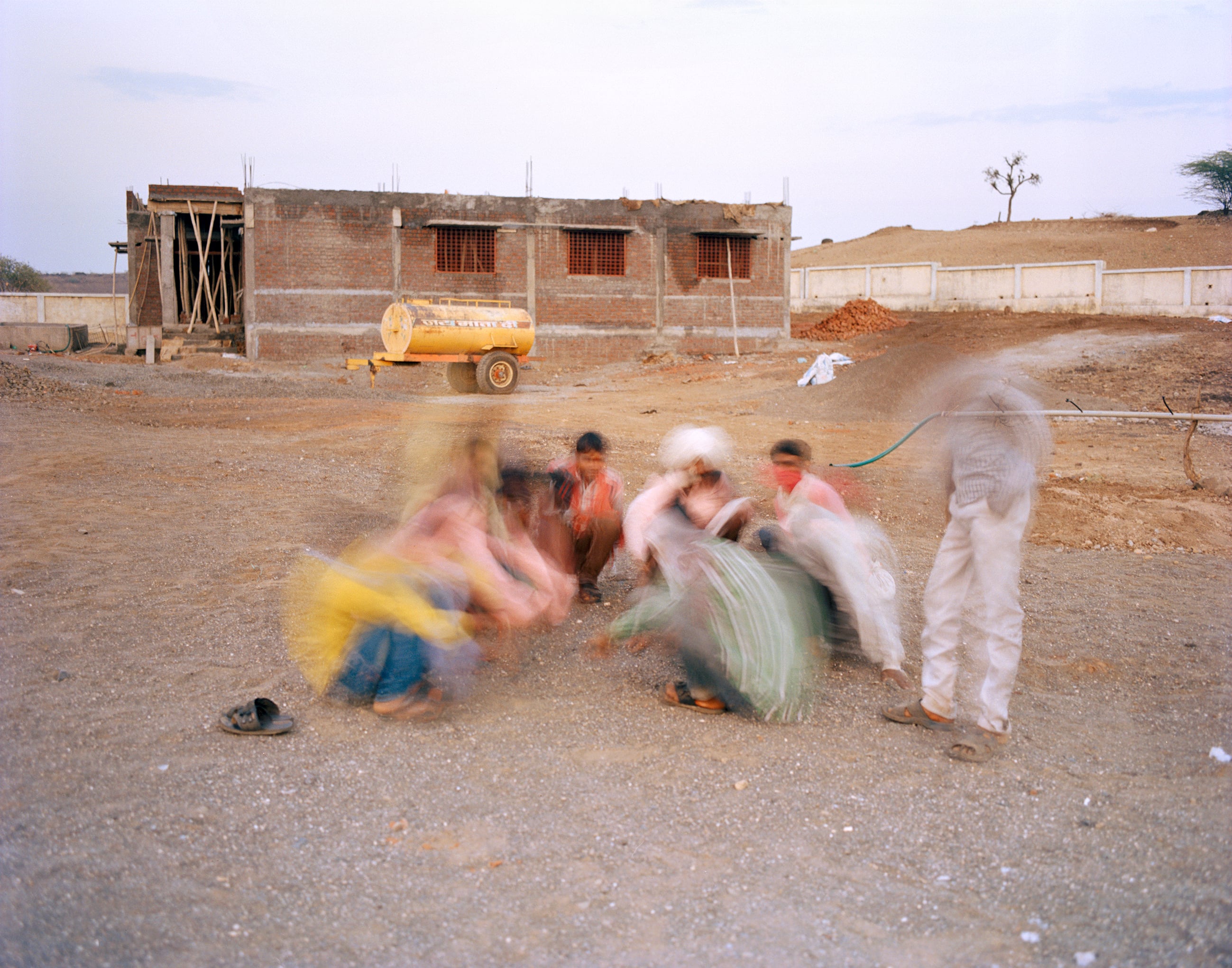
The two bodies of work namely Snow and The Song of Sparrows in a Hundred Days of Summer, chronicle two fundamentally different social, economic, and political landscapes through the unravelling of two extreme seasons. In both, the images are suggestions instead of direct revelations and hold within them the weight of laws that are beyond us. As it is widely known, Kashmir has been at the centre of disputes between India, Pakistan, and China since the partition of India and dissolution of the British Raj in 1947. While the countries fight over their apparent claims to Kashmiri land, it is the people who live amidst a resounding silence that has seeped into their seemingly normalised lives. Often advertised as “the Switzerland of India,” or “jannat” (heaven), Kashmir remains the most promoted tourist destination to experience snow in ‘India,’ despite their tenacious resistance for self-determination.
The Song of Sparrows in a Hundred Days of Summer, Sohrab Hura, 2013-2017. Courtesy of the artist and Experimenter.
The Song of Sparrows in a Hundred Days of Summer, Sohrab Hura, 2013-2017. Courtesy of the artist and Experimenter.
The Song of Sparrows in a Hundred Days of Summer, Sohrab Hura, 2013-2017. Courtesy of the artist and Experimenter.
Through multiple visits to the Indian-administered region of Kashmir over a five-year period, Hura’s photographs act as metaphors, using three distinct phases of its winter: Chillai Kalan (harsh cold), Chillai Khurd (small cold), and Chillai Bache (baby cold) to speak of the illusions we witness as outsiders in Kashmir. In a corner of the gallery, in his usual style of light pencil on the wall, he writes “mesmerised and deceived by snow, at first as it started to melt, so did the mask of denial start to slip off my face. And I, the outsider – the Indian, started to come to terms with the land that I was in.” These words are also the epigraph to his book, Snow (2026), published by MACK, which, in stark contrast to the collaged experience of the exhibition, is 256 pages and slower to reveal the markers of conflict and violence.
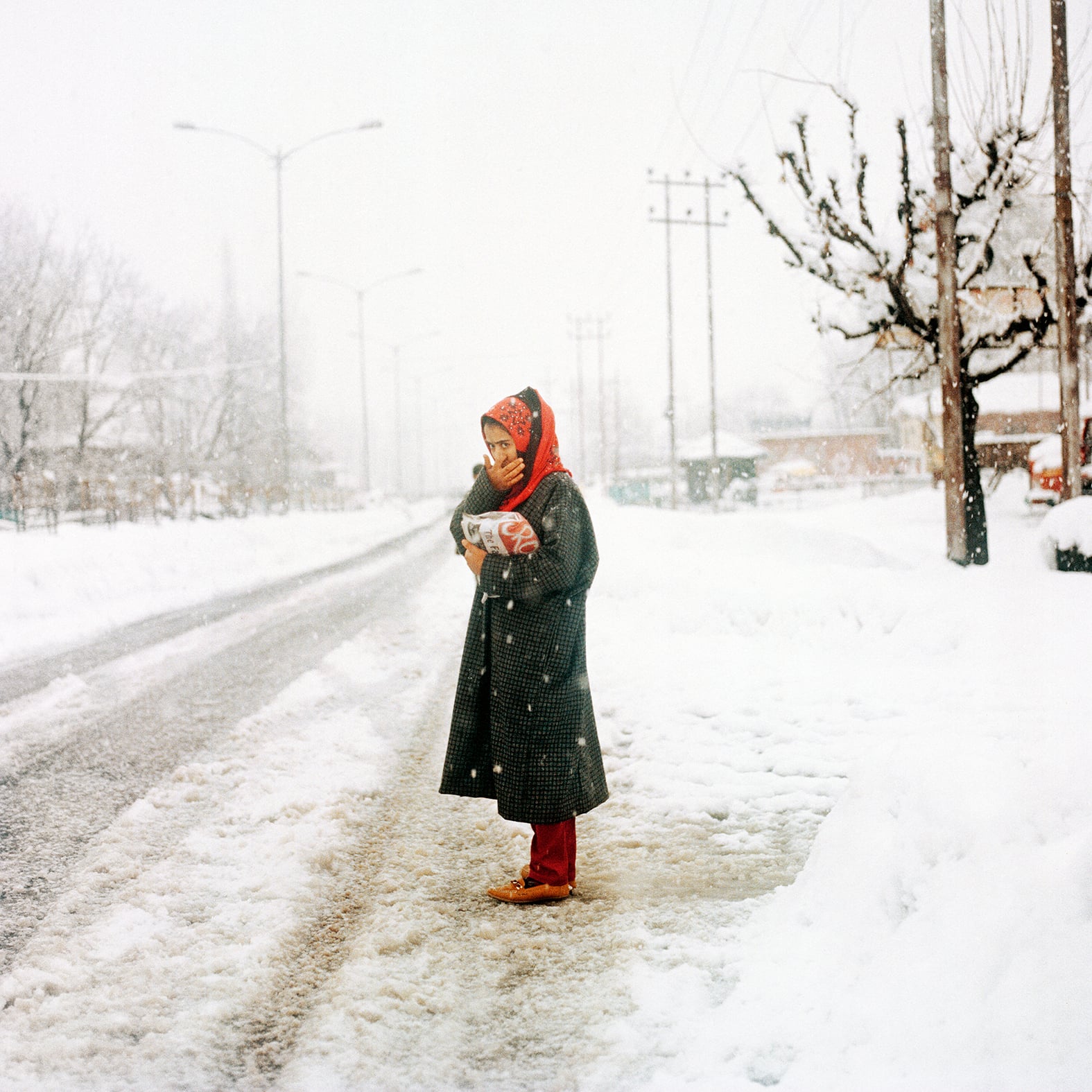
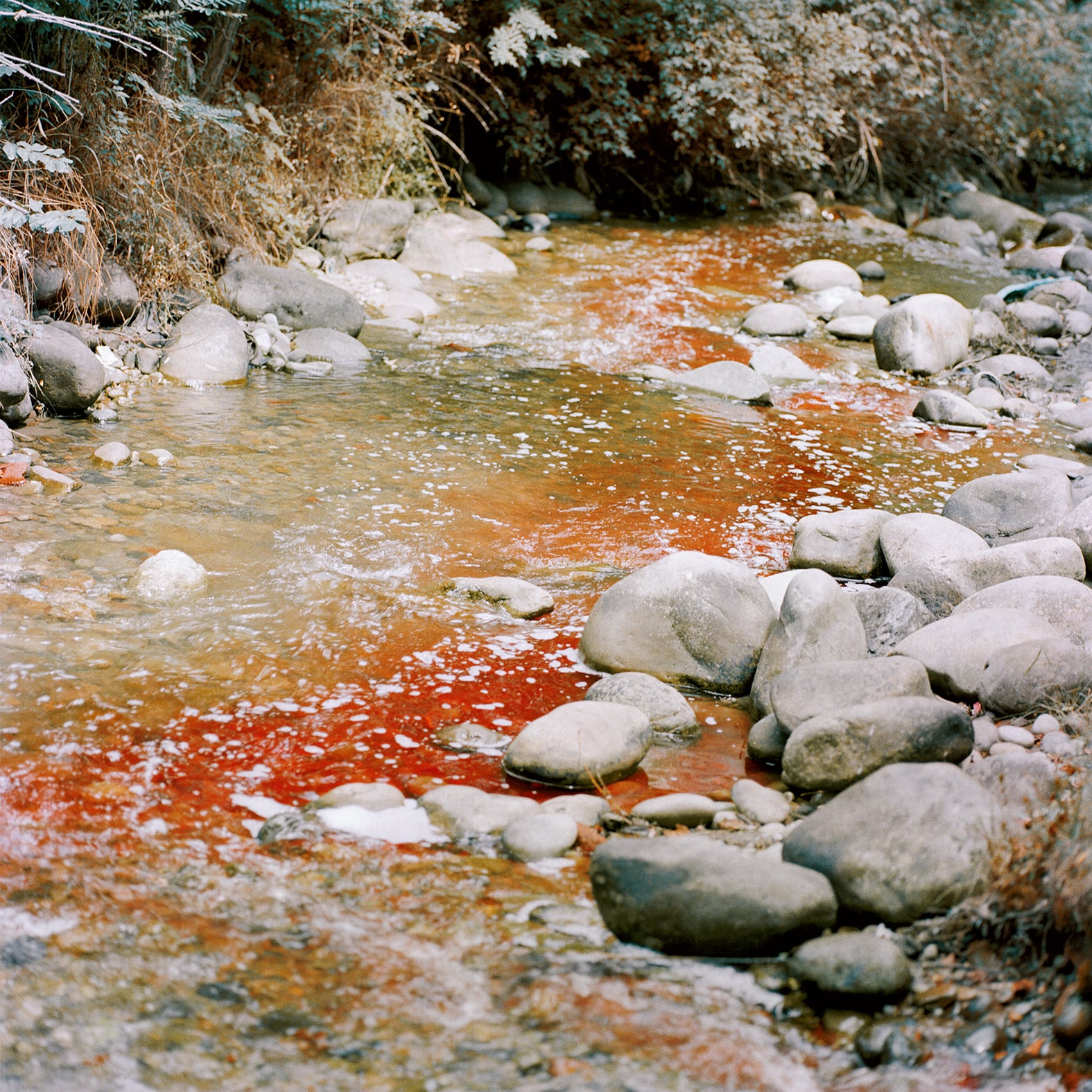
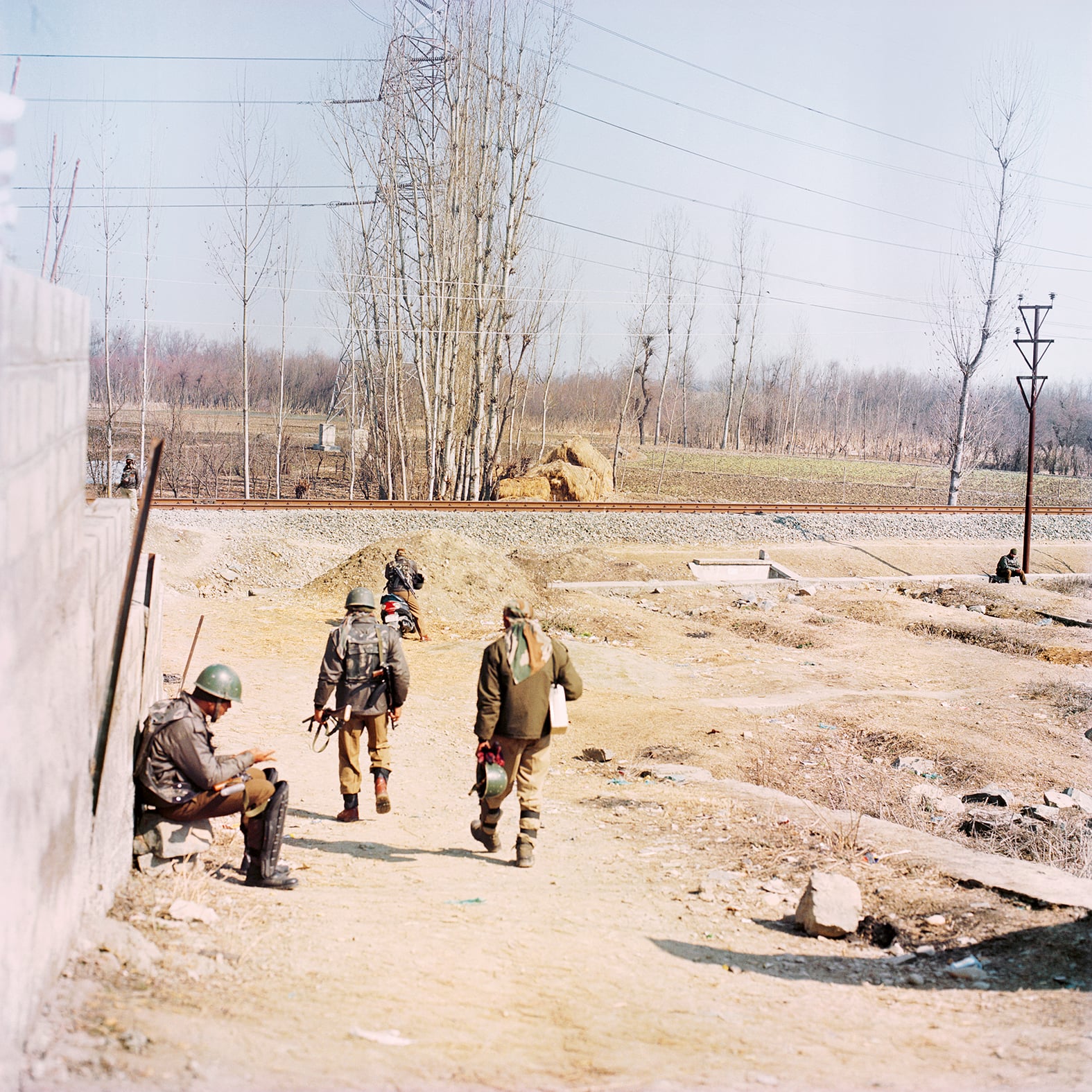
The day before I witnessed the show, I sat in silence observing how the solitary as well as double-paged images in the book left imprints, settling into the photographs on the pages before them. There is an imperceptible shift between the three colds, a feeling that can only arise because of the length of the publication and the time Hura takes with each phase. The layers are unmasked slowly in images that are both tender and that leave you unsettled because of the unmistakable political tension lying at the fringes. Consciously, Hura’s photographs speak in a different visual language from the violent or excessively romanticised images that we usually see from the region. Blood stains on snow, red flows through a stream, a dismembered bird is caught in an unfortunate accident, and the presence of military weaves into gentler images of Kashmiri children revelling in the snow, bare branches tenderly balancing fragments of winter, as adults continue their daily chores.
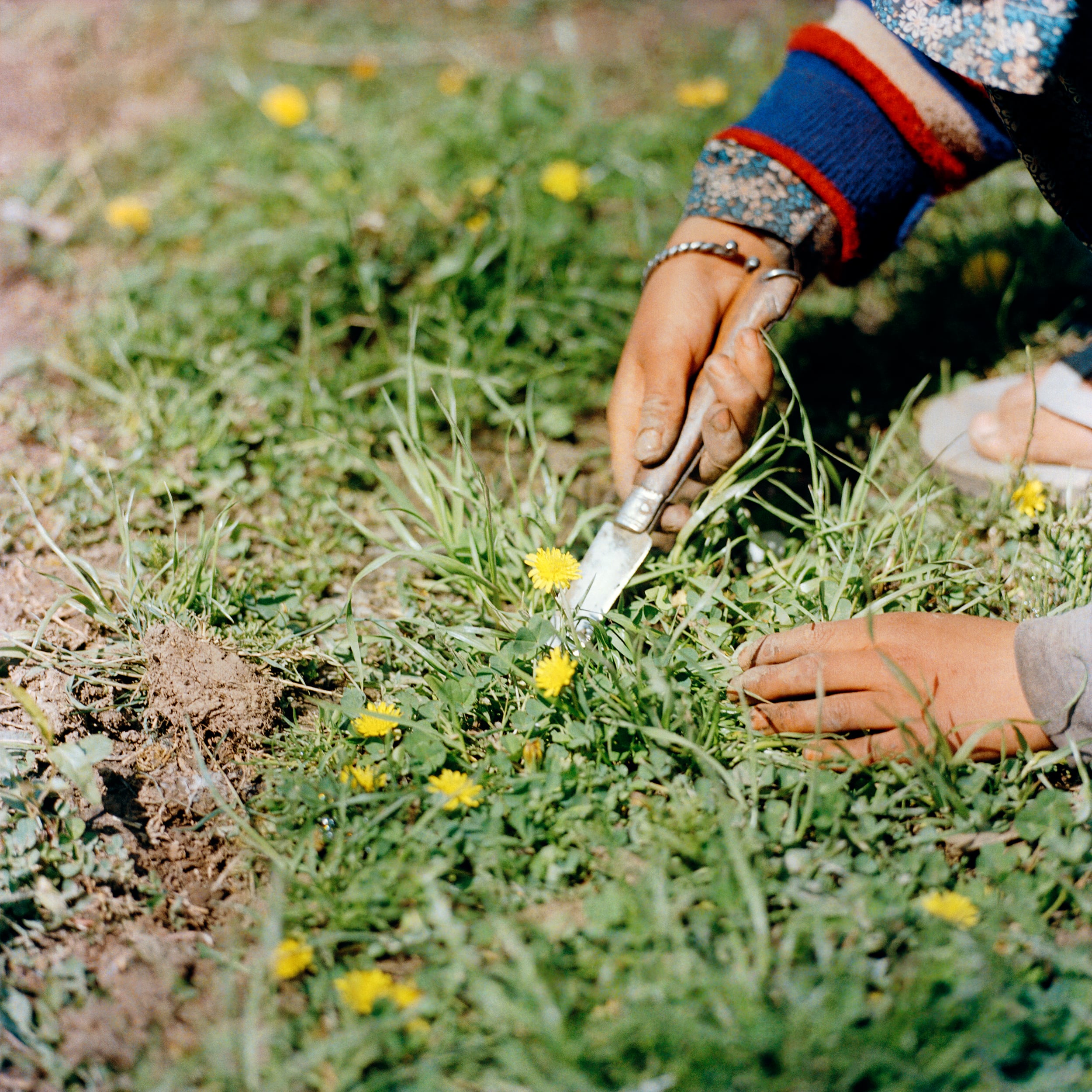
Snow, Sohrab Hura, 2015-2019. Courtesy of the artist and MACK.
Snow, Sohrab Hura, 2015-2019. Courtesy of the artist and MACK.
Snow, Sohrab Hura, 2015-2019. Courtesy of the artist and MACK.
The photographs on stark white pages feel like windows into the multifarious worlds that Hura observes as an outsider, while being generously hosted by Kashmiri hospitality. Hura recounts how he first went to Kashmir in 2015, and like most Indian tourists, visited Gulmarg. Post 5 pm, the Kashmiris would go home, and he was in the presence of only other Indian tourists, the army, and a handful of Kashmiris who would be working in the surrounding hotels. He was then struck by this realisation-was he truly in Kashmir? Was it only about the land? Or its people too? He returned home with this feeling of not quite having gone at all. Over his next few visits, he went with the mindset of not forcing “work,” but even if he returned with a single photograph, it would be enough. In fact, I remember visiting during the Chillai Kalan of 2018, and Hura distinctively saying that he was on a recce. A term that he continued to use on all his travels there.
Over time, the photographer began to recognise that we were looking at the element of violence in Kashmir solely through big events which were highlighted in the news. If the cycle didn’t have something to report, the outside world lived under the impression that everything was peaceful. However, Hura’s friends had different stories to tell, that they often carried in everyday conversations and observations. “Yahaan khun ki nadiyaan behti rehti hain,” (here, streams of blood continue to flow), said a friend when the photographer visited his family on the occasion of bakri eid. It was verses like these that stayed with Hura, and are clearly noticeable in the way that he makes his images. He’s present, with the tenderness of a listener, but at a distance - acutely aware of his outsider status.
Snow, Sohrab Hura, 2015-2019. Courtesy of the artist and Experimenter.
Snow, Sohrab Hura, 2015-2019. Courtesy of the artist and MACK.
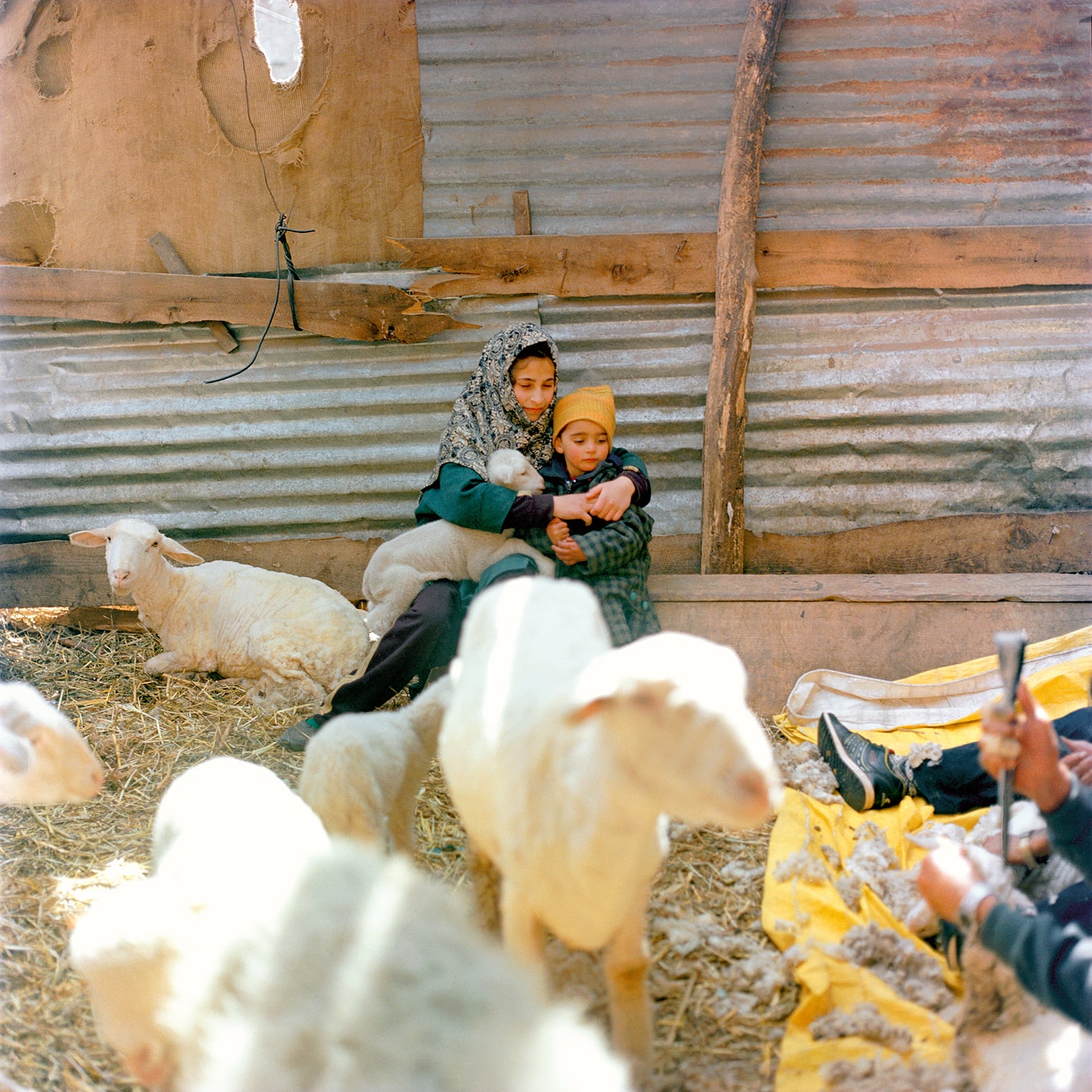
As time progresses, and forms continually shift, I have come to realise that a photographer is an equal parts editor. More obviously, they are editing moments in the viewfinder itself, but over time, the shape their archive takes, is influenced by their state of mind. This is apparent in the way that the snow melts almost all at once in the photographs at Experimenter, and the same images takes seemingly longer in Hura’s book. I also notice the numerous presence of children and animals in his work, which for me, stands central to Snow. When we speak, the photographer reveals that it was the devastating news from Palestine, and the subsequent wars that made him continuously think about their presence in conflict zones. In fact, it’s also the reason he included quite a few images of men in his work because they are often left out in the narratives of war. The direction of the edit was hence determined by the state of the world, and less by Hura’s photographic compositions.
The photographer’s last visit to Kashmir was in 2019, at the precipice of a new dark chapter in its history as the Indian Government revoked Article 370 of the Constitution - removing its special autonomous status. Hura recalls how he was on one of the last flights out of Srinagar, and the feeling of shame didn’t allow him to look at the photographs for many years. “It broke my relationship with photography for a while,” he says, which is also one of the reasons he moved towards painting and drawing to express his contemplations. In fact, it was on the encouragement of Kashmiri friends that Hura revisited his archive that sat unseen for a few years. Unlike usual photographic stories that seem to conclude either literally or for the artist themselves, Snow remains incomplete. And even though the discourse around the region is received with either denial or trepidation, works like these bear witness to the interludes, to the reality of a region that is revealed, once the snow melts off.
Exhibition:A Winter Summer is ongoing at Experimenter Colaba, Mumbai, until 18th July 2026. ,
Publication: Snow (2026) by Sohrab Hura is published by MACK.